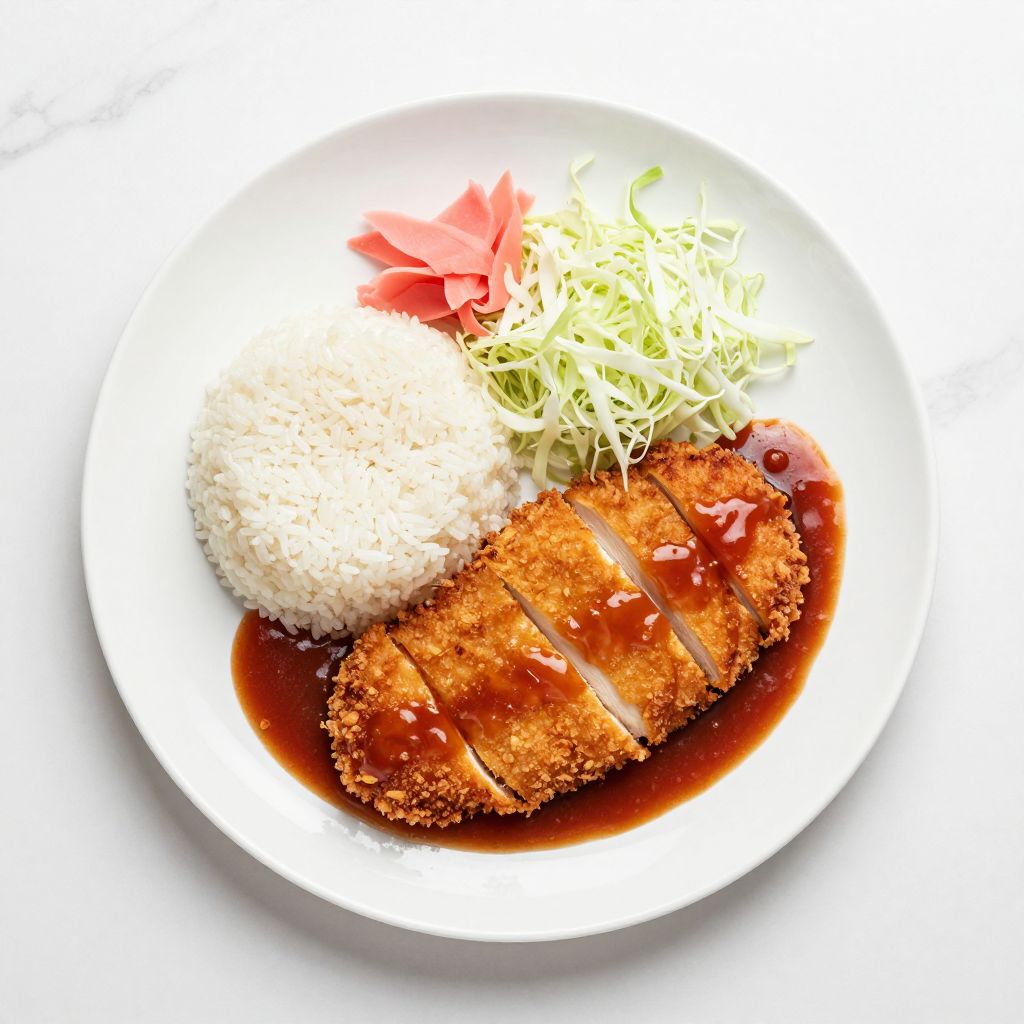
Chicken katsu sauce is the golden, glossy condiment that transforms a crispy breaded cutlet into something truly memorable. This Japanese-inspired sauce balances sweet, savory, and tangy notes in just a few pantry staples, making it the perfect accompaniment to chicken katsu, tonkatsu, or any fried protein you serve it with.
The beauty of making your own katsu sauce at home is speed and control. You’ll skip the thick corn starch slurry found in store-bought versions and create a sauce that clings perfectly to each bite without overwhelming the delicate crust.
Why You’ll Love This Recipe
This sauce comes together in under five minutes and tastes noticeably fresher than bottled alternatives.
- Quick and foolproof: five simple ingredients, minimal mixing, zero intimidation factor
- Balanced flavor profile: sweet meets tangy meets umami without any one note dominating
- Versatile beyond katsu: works beautifully on grilled fish, roasted vegetables, or even rice bowls
- Customizable heat and sweetness: adjust to your exact preference in seconds
- Shelf-stable and make-ahead friendly: prepare it days in advance without losing quality
My Experience Making This Recipe
I first attempted katsu sauce by following a recipe that called for ketchup, Worcestershire sauce, and a splash of soy, which sounded odd but seemed worth trusting. The moment that warm sauce touched my crispy chicken, I understood the appeal: it added depth without becoming sticky or cloying.
What surprised me most was how forgiving this recipe is. I’ve made it with different ratios of soy to ketchup depending on what I had on hand, and every batch tasted good. The texture stays pourable and light, never glugging off the food like thicker Asian condiments sometimes do.
My family now expects this sauce with any breaded cutlet I make, and honestly, I’ve started drizzling it over grilled chicken breast and even roasted broccoli. It’s become my secret weapon for perking up weeknight meals.
Recipe Overview
- Recipe Name: Chicken Katsu Sauce
- Servings: Makes about 1 cup (8 servings)
- Prep Time: 5 minutes
- Cook Time: 0 minutes
- Total Time: 5 minutes
- Course: Condiment/Sauce
- Cuisine: Japanese
- Calories per Serving: 45
Equipment You Will Need
- Small mixing bowl
- Measuring spoons
- Measuring cups
- Whisk or small spoon for stirring
- Glass jar or bottle for storage (optional but recommended)
Ingredients for Chicken Katsu Sauce
- Ketchup: 1/2 cup
- Soy sauce: 1/4 cup
- Worcestershire sauce: 2 tablespoons
- Mirin (sweet rice wine): 2 tablespoons
- Rice vinegar: 1 tablespoon
- Water: 2 tablespoons (optional, for thinner consistency)
Ingredient Notes and Substitutions
- Ketchup forms the sweet base and provides body to the sauce. If you want less sugar, swap it for tomato paste thinned with a bit of water, though the flavor will shift slightly more savory.
- Soy sauce delivers umami depth and saltiness. You can use tamari for a gluten-free option, and the taste difference is minimal in this recipe.
- Worcestershire sauce adds complexity and tanginess. A splash of regular vinegar works if you don’t have it on hand, though you’ll lose some depth.
- Mirin brings a subtle sweetness and silky texture. Honey or a touch of sugar mixed with water can replace it, but mirin gives the most authentic flavor.
- Rice vinegar brightens the whole sauce and prevents it from becoming too heavy. White vinegar or apple cider vinegar work if that’s what you have, though rice vinegar is milder.
How to Make Chicken Katsu Sauce
Step 1: Gather Your Ingredients
Measure out each ingredient before you start mixing. This takes thirty seconds and prevents any scrambling once you’re combining everything.
Step 2: Pour the Ketchup Into Your Bowl
Add the ketchup to your mixing bowl as your base. Ketchup is slightly thick, so starting with it gives you better control as you add the thinner, more assertive liquids.
Step 3: Add the Soy Sauce
Pour in the soy sauce and stir gently to combine. The mixture will darken immediately as the soy infuses into the ketchup’s sweetness.
Step 4: Whisk in the Worcestershire Sauce
Add the Worcestershire sauce and stir well. You’ll notice the sauce becoming more complex in aroma as this ingredient brings its distinctive tangy, umami-forward character.
Step 5: Mix in the Mirin
Stir in the mirin thoroughly. The sauce will start to feel silkier and slightly more glossy as the mirin’s sweetness and body blend with everything else.
Step 6: Add the Rice Vinegar
Pour in the rice vinegar and whisk until everything is completely combined. Taste the sauce at this point, and you’ll notice the acidity brightening all the other flavors without overpowering them.
Step 7: Adjust Consistency If Needed
If your sauce feels too thick, add water one tablespoon at a time until it reaches your preferred pourable consistency. Some people like it thicker to cling to the chicken, while others prefer it thinner for drizzling over rice.
Step 8: Taste and Season
Taste a small spoonful and decide if you need to adjust anything. More soy makes it saltier and deeper, more mirin adds sweetness, and more vinegar brings brightness.
Step 9: Transfer to a Serving Container
Pour the sauce into a small dish for serving or into a glass jar if you’re storing it. Let it cool to room temperature before serving alongside your crispy katsu.
Pro Tip: Make a full batch and store it in the refrigerator for up to two weeks; the flavors actually meld and deepen after a day or two, making your second batch of katsu even better than your first.
Tips for the Best Chicken Katsu Sauce
- Don’t skip the mirin. It creates a texture and subtle sweetness you simply cannot replicate with sugar alone, and it’s worth keeping on hand for other Asian recipes.
- Taste as you go. Everyone’s palate is different, and tweaking the ratio of soy to ketchup to vinegar takes just seconds and makes the sauce feel tailored to you.
- Use good-quality soy sauce if possible. Cheaper brands can taste overly salty and flat, which throws off the balance of your entire sauce.
- Serve the sauce at room temperature or slightly warm, never cold from the fridge. Cold sauce tastes muted and less flavorful against the hot crispy chicken.
- Double the batch on a Sunday and use it throughout the week on different proteins. It pairs beautifully with fish, shrimp, and even roasted pork.
- Store in a glass bottle rather than plastic to preserve flavor and make it feel more like a homemade condiment you’re proud of.
Common Mistakes to Avoid
- Skipping the rice vinegar and wondering why your sauce tastes flat. Acidity is essential for brightening the sweet and savory elements.
- Using too much water and ending up with a thin, flavorless liquid. Add water sparingly and only if the sauce is noticeably too thick.
- Substituting regular vinegar for rice vinegar without adjusting amounts. Regular vinegar is sharper and can overpower the delicate balance if used in equal measure.
- Making the sauce and serving it cold straight from the fridge. This muffles the flavors and creates a less pleasant eating experience.
- Forgetting that a small amount of sauce goes a long way. You don’t need to drown your katsu in sauce; a modest drizzle lets the crispy coating shine.
Serving Suggestions
Serve this sauce warm or at room temperature alongside crispy, golden chicken katsu for the classic pairing. It also enhances grilled fish, tonkatsu pork cutlets, or even roasted vegetables and rice bowls.
- Chicken katsu with steamed white rice and pickled ginger on the side
- Tonkatsu pork cutlet topped with a drizzle of sauce and a squeeze of fresh lemon juice
- Crispy fish fillet alongside jasmine rice and steamed bok choy with sauce on the side
- Rice bowl topped with sliced grilled chicken breast, shredded cabbage, and a generous spoonful of sauce
- Roasted broccoli florets tossed in warm sauce for a vegetable-forward dinner
Variations to Try
- Spicy Katsu Sauce: Add 1/2 teaspoon of sriracha or a pinch of cayenne pepper to bring heat without masking the original flavors.
- Garlic-Forward Version: Whisk in 1 teaspoon of minced garlic or 1/4 teaspoon of garlic powder for a deeper, more assertive sauce that works especially well on pork.
- Ginger Twist: Add 1/2 teaspoon of fresh grated ginger or 1/4 teaspoon of ground ginger to create a warmer, slightly spicy version.
- Honey-Sweetened Sauce: Replace the mirin with honey in equal amounts for a richer, more luxurious sweetness that some people find more satisfying.
- Umami Bomb: Stir in 1/2 teaspoon of fish sauce or a pinch of MSG to amplify the savory depth, especially if you’re serving vegetarian katsu.
Dietary Adaptations
- Gluten-Free: Use tamari instead of regular soy sauce and check that your Worcestershire sauce is gluten-free; most other ingredients are naturally gluten-free.
- Dairy-Free: This sauce is naturally dairy-free; no modifications needed.
- Vegan: Swap regular Worcestershire sauce for a vegan version that doesn’t contain anchovies, and verify that your mirin doesn’t contain animal products.
- Low-Carb or Keto: Replace the mirin with a sugar-free sweetener and use reduced ketchup, though the sauce will taste less traditional and slightly thinner.
Storage and Reheating
Refrigerator
Store your sauce in a glass jar with a tight-fitting lid for up to two weeks. The flavors actually improve after sitting for a day or two as the ingredients meld together.
- Transfer to an airtight container before refrigerating
- Check for any separation when you retrieve it; simply stir to recombine
- Smell and taste before using if stored longer than two weeks
Freezer
Freeze the sauce in ice cube trays for convenient portions, then transfer frozen cubes to a freezer bag for storage up to three months. This method lets you thaw only what you need.
- Allow cubes to freeze completely before transferring to a bag
- Thaw in the refrigerator overnight or gently warm on the stovetop
- The sauce may separate slightly after freezing; whisk to recombine
Reheating
Warm the sauce gently in a small saucepan over low heat or microwave it in a bowl for 20 to 30 seconds until it reaches room temperature or slightly warm. Never let it boil, as high heat can mute the delicate flavors.
- Stir frequently if heating on the stovetop to prevent hot spots
- Taste after reheating to see if the balance shifted and adjust if needed
- Serve warm alongside your hot crispy katsu for the best flavor experience
Nutrition Information
| Nutrient | Amount |
|---|---|
| Calories | 45 |
| Total Fat | 0 g |
| Saturated Fat | 0 g |
| Carbohydrates | 10 g |
| Fiber | 0 g |
| Sugar | 7 g |
| Protein | 1 g |
| Sodium | 620 mg |
| Cholesterol | 0 mg |
These values are estimates based on standard ingredient databases and assume you’re using the base recipe without additions or modifications. Individual brands and varieties of ketchup, soy sauce, and other ingredients will affect the final nutritional profile.
Frequently Asked Questions
Can I Make This Sauce Without Mirin?
Yes, you can replace mirin with honey or a small amount of sugar dissolved in water, though the sauce won’t taste quite as authentic or silky. If you’re making katsu regularly, mirin is inexpensive and keeps indefinitely, so it’s worth buying.
How Far in Advance Can I Make Katsu Sauce?
You can make it up to two weeks ahead and refrigerate it in a sealed jar. The flavor actually improves after a day as the ingredients meld, so making it ahead is a smart move for meal planning.
What’s the Difference Between Katsu Sauce and Tonkatsu Sauce?
They’re essentially the same thing; tonkatsu refers to breaded pork cutlets while katsu is the general term for breaded, fried protein. One sauce works beautifully for both.
Why Does My Sauce Taste Too Salty?
You’ve likely added too much soy sauce relative to the other ingredients. Add a teaspoon of mirin or honey and a splash of rice vinegar to rebalance the saltiness without completely remaking the batch.
Can I Use This Sauce on Something Other Than Katsu?
Absolutely, this sauce works on grilled fish, roasted vegetables, rice bowls, and even as a dipping sauce for egg rolls or spring rolls. It’s a versatile condiment worth keeping on hand.
Should I Serve the Sauce Hot or Cold?
Room temperature or slightly warm is ideal; cold sauce tastes muted and flat. If your sauce is refrigerated, take it out 10 minutes before serving or warm it gently in a microwave.
Final Thoughts
Making your own chicken katsu sauce at home is one of those small cooking wins that feels impressive but requires almost no skill. Five simple ingredients and five minutes deliver a sauce that tastes noticeably fresher and more balanced than anything bottled.
Once you try this sauce, you’ll find yourself reaching for it long after the katsu is gone. Drizzle it on grilled proteins, roasted vegetables, or rice, and watch how it transforms everyday meals into something restaurant-worthy. Make a batch this week and taste the difference homemade brings to your table.
Chicken Katsu Sauce
Ingredients
Equipment
Method
- Measure out each ingredient before you start mixing.
- Pour the ketchup into your mixing bowl as the base.
- Add the soy sauce and stir gently to combine.
- Whisk in the Worcestershire sauce thoroughly.
- Add the mirin and stir well until the sauce becomes silkier and glossy.
- Pour in the rice vinegar and whisk to fully combine.
- If the sauce is too thick, add water one tablespoon at a time to reach your preferred consistency.
- Taste the sauce and adjust seasoning if desired by adding more soy sauce for saltiness, mirin for sweetness, or vinegar for brightness.
- Transfer the sauce to a serving dish or glass jar and let it cool to room temperature before serving.