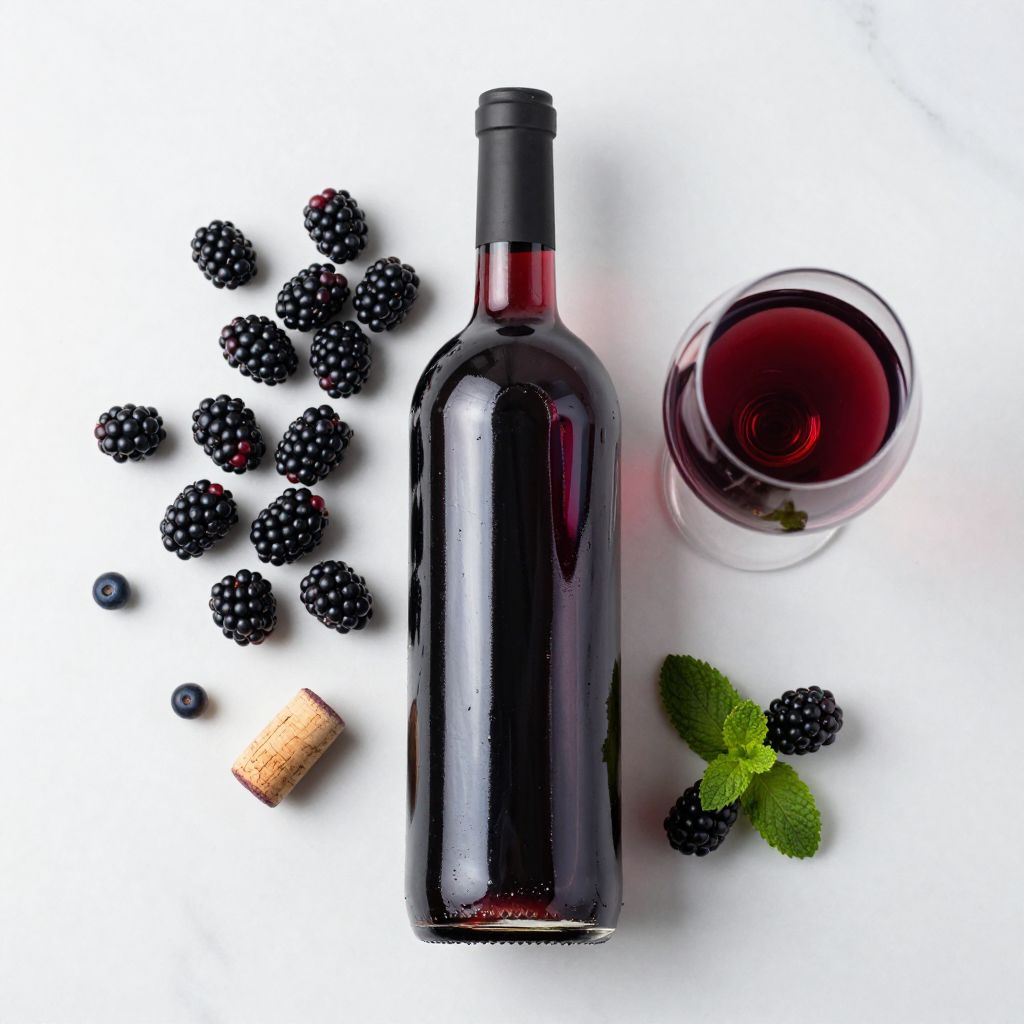
Blackberry wine is a homemade fruit wine that transforms fresh blackberries into a smooth, slightly sweet beverage with natural depth and complexity. Making blackberry wine at home is easier than you might think, and the results rival store-bought versions at a fraction of the cost.
This recipe guides you through fermentation, clarification, and bottling to create a wine that improves with age. Whether you’re a first-time winemaker or a seasoned enthusiast, you’ll find this process rewarding and surprisingly straightforward.
Why You’ll Love This Recipe
Homemade blackberry wine offers flavor control, affordability, and the deep satisfaction of crafting something from scratch. You’ll impress guests, save money, and taste the difference that quality fruit and patience make.
- Creates a complex, naturally fruity wine with a beautiful deep color
- Uses simple, widely available ingredients with no special chemicals required
- Costs significantly less than premium store-bought fruit wines
- Improves with bottle age, rewarding patience with smoother flavor
- Makes an excellent homemade gift for wine-loving friends and family
My Experience Making This Recipe
I first made blackberry wine during a peak harvest season when I had far too many berries to eat fresh. I was nervous about the fermentation process, worried the batch would turn to vinegar or taste harsh.
Within three weeks, the airlock stopped bubbling and the wine cleared beautifully from dark purple to a deep garnet color. Tasting it after two months was the real victory, and I realized how gentle and forgiving the process actually is.
My friends couldn’t believe it came from my kitchen, and I’ve made at least five batches since. The trick is patience and cleanliness, not complicated techniques or expensive equipment.
Recipe Overview
- Recipe Name: Blackberry Wine
- Servings: Makes approximately 5 bottles (750 ml each)
- Prep Time: 45 minutes
- Fermentation Time: 6 to 8 weeks (plus 3 to 6 months aging)
- Total Time: Approximately 4 to 6 months from start to drinking
- Course: Beverage
- Cuisine: Homemade
- Alcohol Content: Approximately 11 to 12 percent by volume
Equipment You Will Need
- 1-gallon glass demijohn or carboy (primary fermentation vessel)
- Airlock and rubber bung stopper
- Hydrometer and test jar
- Large stainless steel pot or food-grade plastic bucket
- Wooden spoon or plastic stirrer (never use metal)
- Fine mesh strainer or cheesecloth
- Siphon tubing and racking cane
- Bottles and caps or corks for storage
- Sanitizer (potassium metabisulfite or commercial winemaking sanitizer)
- Measuring cups and scale
- Funnel
Ingredients for Blackberry Wine
- Fresh blackberries: 5 to 6 pounds (ripe, not overripe)
- Granulated sugar: 2.5 to 3 pounds
- Wine yeast: 1 packet (Lalvin EC-1118 or similar strain)
- Yeast nutrient: 1 teaspoon
- Water: 1 gallon (preferably filtered or bottled)
- Potassium metabisulfite: 1/4 teaspoon (optional, for added preservation)
- Acid blend: 1/2 teaspoon (to balance natural acidity)
- Tannin powder: 1/4 teaspoon (optional, adds structure and aging potential)
Ingredient Notes and Substitutions
- Fresh blackberries: Use ripe berries with deep color and full sugar content; avoid moldy or soft fruit. Frozen blackberries work well if fresh ones are unavailable, though thaw and drain them first to remove excess water.
- Granulated sugar: Feeds yeast and raises alcohol content; white sugar gives clean fermentation. Brown sugar or honey alter flavor profile and may produce different alcohol levels.
- Wine yeast: EC-1118 is reliable and tolerant of high alcohol; it produces a dry wine. Champagne yeast or Red Star Pasteur Blanc are good alternatives with slightly different flavor profiles.
- Yeast nutrient: Provides nitrogen and minerals for strong fermentation. Omitting it risks stuck fermentation or off-flavors, though established vineyards sometimes skip it.
- Potassium metabisulfite: Prevents oxidation and unwanted microbes; optional but recommended for beginners. Sodium metabisulfite works similarly but leaves a slight saltiness.
- Acid blend: Balances sweetness and brightens flavor; not essential with naturally tart berries. Citric acid alone is a simpler substitute if you prefer one ingredient.
How to Make Blackberry Wine
Step 1: Sanitize Your Equipment
Sanitization is non-negotiable in winemaking because any wild yeast or bacteria will compete with your cultured yeast and spoil the batch. Mix your sanitizer according to package directions and soak all equipment for at least 20 minutes, then rinse thoroughly with filtered water.
Step 2: Prepare the Blackberries
Crush the blackberries by hand in your large pot or bucket to break the skins and release juice and color. You want a chunky pulp consistency, not a smooth puree, so the solids will separate easily during racking later.
Step 3: Dissolve Sugar and Create Must
Heat 1 gallon of water to about 160 degrees Fahrenheit and stir in 2.5 to 3 pounds of sugar until fully dissolved. Pour this warm sugar water over your crushed blackberries, which halts fermentation of wild yeasts and creates what winemakers call “must,” your raw fermentation base.
Step 4: Add Additives and Let Cool
Stir in yeast nutrient, acid blend, and tannin powder if using them, distributing evenly throughout the must. Allow the mixture to cool to 70 to 75 degrees Fahrenheit before adding yeast, which takes about 4 to 8 hours depending on your kitchen temperature.
Step 5: Pitch the Yeast
Rehydrate your wine yeast in lukewarm water for 15 minutes before stirring it directly into the must. This “pitching” introduces billions of cells ready to ferment, and they immediately begin consuming sugars and producing alcohol and carbon dioxide.
Step 6: Conduct Primary Fermentation
Cover your bucket loosely with a clean cloth and let it sit at room temperature (65 to 75 degrees Fahrenheit) for 5 to 7 days, stirring once daily. You’ll see vigorous bubbling and the berry solids will rise to the top as gas production accelerates.
Step 7: Rack Into Carboy for Secondary Fermentation
After primary fermentation slows, strain out the berry pulp using your fine mesh strainer or cheesecloth, pressing gently to extract all liquid. Siphon the clear wine into your sanitized glass carboy, fit the airlock and bung stopper, and let fermentation continue for 4 to 6 weeks in a dark, cool location.
Step 8: Monitor Gravity and Rack Again
Use your hydrometer to check the specific gravity every 2 weeks; when it stabilizes at 0.990 or below for three consecutive checks, fermentation is complete. Rack the wine into a clean carboy again, leaving sediment behind, and fit the airlock to prevent oxidation during aging.
Step 9: Age and Clarify
Store the carboy in a cool, dark place for at least 3 to 6 months, which allows remaining sediment to settle and flavors to meld. The wine will naturally clarify over time as particles fall to the bottom, and you can rack it once more if it remains cloudy after 4 months.
Step 10: Bottle Your Wine
Siphon the finished wine into clean, sanitized bottles and seal with caps or corks. Label each bottle with the vintage date and “Blackberry Wine” so you remember what you made and when.
Pro Tip: Keep a small sample of your finished wine in a jar with a loose cap at room temperature; if it begins to bubble or smell vinegary, the entire batch has spoiled. Store sealed bottles at 50 to 60 degrees Fahrenheit on their side if corked, and they’ll improve for up to 3 years.
Tips for the Best Blackberry Wine
- Use ripe blackberries at peak season when prices are low and flavor is concentrated. Underripe berries lack sugar and character, while overripe fruit introduces mold spores and off-flavors.
- Keep fermentation temperature between 65 and 75 degrees Fahrenheit; too cold slows yeast and can lead to stuck fermentation, while too warm causes excessive fusel alcohol production. A basement or dark closet works perfectly.
- Measure specific gravity with your hydrometer at the start and regularly during fermentation to track progress and know when fermentation completes. This removes guesswork and prevents bottling wine that still contains residual sugar.
- Never use metal stirrers or strainers because they react with wine acids and tannins, causing metallic flavors and discoloration. Plastic, wood, or stainless steel are your safe options.
- Rack the wine away from sediment each time to improve clarity and prevent off-flavors from decomposing yeast. Patience with multiple racks beats cloudy wine in the end.
- Taste your wine periodically during aging to understand its development and adjust storage conditions if needed. A slightly warm spell or exposure to light will halt maturation and invite spoilage.
Common Mistakes to Avoid
- Using frozen or previously fermented berries introduces unknown wild yeast strains that compete with your cultured yeast and produce off-flavors like vinegar or nail polish. Always start with fresh, unblemished fruit.
- Adding yeast too hot or to overly hot must kills the cells before they ferment, resulting in stuck fermentation or slow, sluggish activity. Cooling to 70 to 75 degrees takes time but pays off in strong, reliable fermentation.
- Leaving the airlock off or using an improperly fitted bung allows oxygen in, which converts alcohol to acetic acid (vinegar) over weeks. An airlock lets carbon dioxide escape while blocking oxygen, protecting your investment.
- Racking too often disrupts sediment settling and introduces oxygen each time, creating oxidized flavors like wet hay or sherry when you wanted fresh blackberry wine. Rack only when sediment builds noticeably or at the transitions between primary and secondary fermentation.
- Bottling wine that still contains sugar causes bottles to explode under pressure from continued fermentation. Always confirm gravity has stabilized at 0.990 or lower before sealing anything.
Serving Suggestions
Serve blackberry wine chilled to 50 to 55 degrees Fahrenheit in a burgundy glass to appreciate its deep color and complex aromas. The natural acidity and fruit body make it versatile with food, and it opens conversation at any gathering.
- Pair with aged cheddar, gouda, or blue cheese for a wine and cheese night that impresses without store-bought labels
- Serve alongside roasted duck or venison where the wine’s tannins complement rich, savory meat perfectly
- Enjoy with dark chocolate desserts or berry tarts that echo the wine’s blackberry flavor without clashing
- Offer as an aperitif slightly chilled before dinner to stimulate appetite and start conversation
- Mix into blackberry wine spritzers with sparkling water and fresh mint on warm evenings
Variations to Try
- Blackberry and Apple Wine: Replace 1 pound of blackberries with tart apple juice concentrate to add complexity and reduce the wine’s residual sweetness. The apple character softens berry intensity and creates a lighter, more food-friendly wine.
- Spiced Blackberry Wine: Add a cinnamon stick, 3 whole cloves, and a thin slice of fresh ginger during secondary fermentation for 1 to 2 weeks, then remove. These spices add warming depth without overpowering the blackberry base.
- Sweeter Blackberry Wine: Reduce initial yeast nutrient to half a teaspoon to slow fermentation and leave residual sugar; alternatively, add 1/4 teaspoon potassium sorbate to halt fermentation midway. This creates a dessert wine that pairs with custards and creamy puddings.
- Blackberry and Elderflower Wine: Steep 1 ounce of dried elderflower in the warm must for 24 hours before adding yeast, then strain carefully. Elderflower adds subtle floral notes that elevate the wine’s elegance.
- High-Alcohol Blackberry Wine: Increase sugar to 3.5 pounds to push alcohol toward 13 to 14 percent by volume, creating a more structured, warming wine. This version ages longer and develops richer, more complex flavors over 2 to 3 years.
Dietary Adaptations
- Vegan: Blackberry wine is naturally vegan; all ingredients are plant-based or mineral, so no adaptation needed. Even sulfites used in winemaking are vegan-friendly.
- Gluten-Free: This recipe is naturally gluten-free from start to finish, though always verify your yeast and additives are certified gluten-free if you have celiac disease. Most wine yeasts and nutrients are already gluten-free by nature.
- Low-Sugar: Use a lower starting sugar amount (2 pounds instead of 2.5 to 3) to reduce residual sweetness, accepting a lower final alcohol content of 9 to 10 percent. The resulting wine will be drier and more acidic, pairing better with savory foods.
- Sulfite-Free: Omit the potassium metabisulfite and skip the racking steps if you’re sensitive to sulfites; your wine will need cooler storage and won’t age as long. Accept a higher risk of oxidation and spoilage as the trade-off for a sulfite-free product.
Storage and Reheating
Refrigerator
Opened bottles last 3 to 5 days when stored upright in the back of the refrigerator, where it’s coldest and darkest. Recork tightly after each pour and discard any wine that develops a vinegary smell.
- Store upright rather than on its side once opened to minimize surface area exposed to oxygen
- Keep temperature at 35 to 40 degrees Fahrenheit to slow oxidation
- Cover the bottle with a wine stopper or cork rather than leaving it open
Freezer
Blackberry wine keeps in the freezer for up to 1 year for cooking purposes, though the texture may change slightly when thawed. Freeze in ice cube trays for convenient portions for sauces and reductions.
- Don’t freeze in glass bottles, which can crack under pressure; use plastic containers or ice cube trays instead
- Label with the date and contents for easy identification
- Thaw in the refrigerator 24 hours before use rather than at room temperature
Reheating
Blackberry wine is served cold or at room temperature, never heated, as heat destroys delicate flavors and alcohol content. If using wine in a hot dish, add it at the end of cooking to preserve its character.
- Add to sauces or reductions in the final 2 minutes of cooking time
- Never boil wine directly; instead, simmer the full dish and let residual heat warm it gently
Nutrition Information
| Nutrient | Amount |
|---|---|
| Calories | 120 per 5-ounce glass |
| Total Fat | 0 grams |
| Saturated Fat | 0 grams |
| Carbohydrates | 3 to 4 grams |
| Fiber | 0 grams |
| Sugar | 1 to 2 grams |
| Protein | 0 grams |
| Sodium | 10 milligrams |
| Cholesterol | 0 milligrams |
Nutrition values are approximate and vary based on your exact fruit selection, fermentation method, and aging time. Residual sugar content depends on when you stop fermentation, so a dry finish versus a slightly sweet one will alter carbohydrate and calorie counts slightly.
Frequently Asked Questions
Can I use a different type of berry instead of blackberries?
Yes, blueberries, raspberries, and marionberries work beautifully and follow the same process with identical proportions. Each berry produces a distinct flavor profile; blueberries yield a more delicate wine, while raspberries create a lighter, more tart result.
How long does blackberry wine take to be drinkable?
You can drink it after 4 to 6 weeks of total fermentation and aging, though it tastes noticeably better after 3 to 6 months when flav
Blackberry Wine
Ingredients
Equipment
Method
- Sanitize all equipment by soaking in sanitizer solution for at least 20 minutes, then rinse with filtered water.
- Crush the blackberries by hand in a large pot or bucket until a chunky pulp consistency is reached.
- Heat 1 gallon of water to about 160°F (71°C) and dissolve 2.5 to 3 pounds of sugar completely.
- Pour the warm sugar water over the crushed blackberries to create the must.
- Stir in yeast nutrient, acid blend, and tannin powder evenly throughout the must.
- Allow the mixture to cool to 70 to 75°F (21 to 24°C), approximately 4 to 8 hours depending on ambient temperature.
- Rehydrate the wine yeast in lukewarm water for 15 minutes, then stir it into the cooled must.
- Cover the bucket loosely with a clean cloth and ferment at room temperature (65 to 75°F / 18 to 24°C) for 5 to 7 days, stirring once daily.
- After primary fermentation slows, strain out the berry pulp using a fine mesh strainer or cheesecloth, pressing gently.
- Siphon the clear wine into a sanitized 1-gallon glass carboy, attach airlock and rubber bung stopper.
- Allow secondary fermentation to continue for 4 to 6 weeks in a cool, dark place.
- Check specific gravity every 2 weeks with a hydrometer until it stabilizes at 0.990 or below for three consecutive readings.
- Rack the wine into a clean carboy again, leaving sediment behind, and fit the airlock.
- Age the wine for at least 3 to 6 months in a cool, dark place to clarify and develop flavors.
- If wine remains cloudy after 4 months, rack it again to improve clarity.
- Siphon the finished wine into clean, sanitized bottles and seal with caps or corks.
- Label each bottle with vintage date and 'Blackberry Wine'. Store sealed bottles at 50 to 60°F (10 to 15°C) on their side if corked.