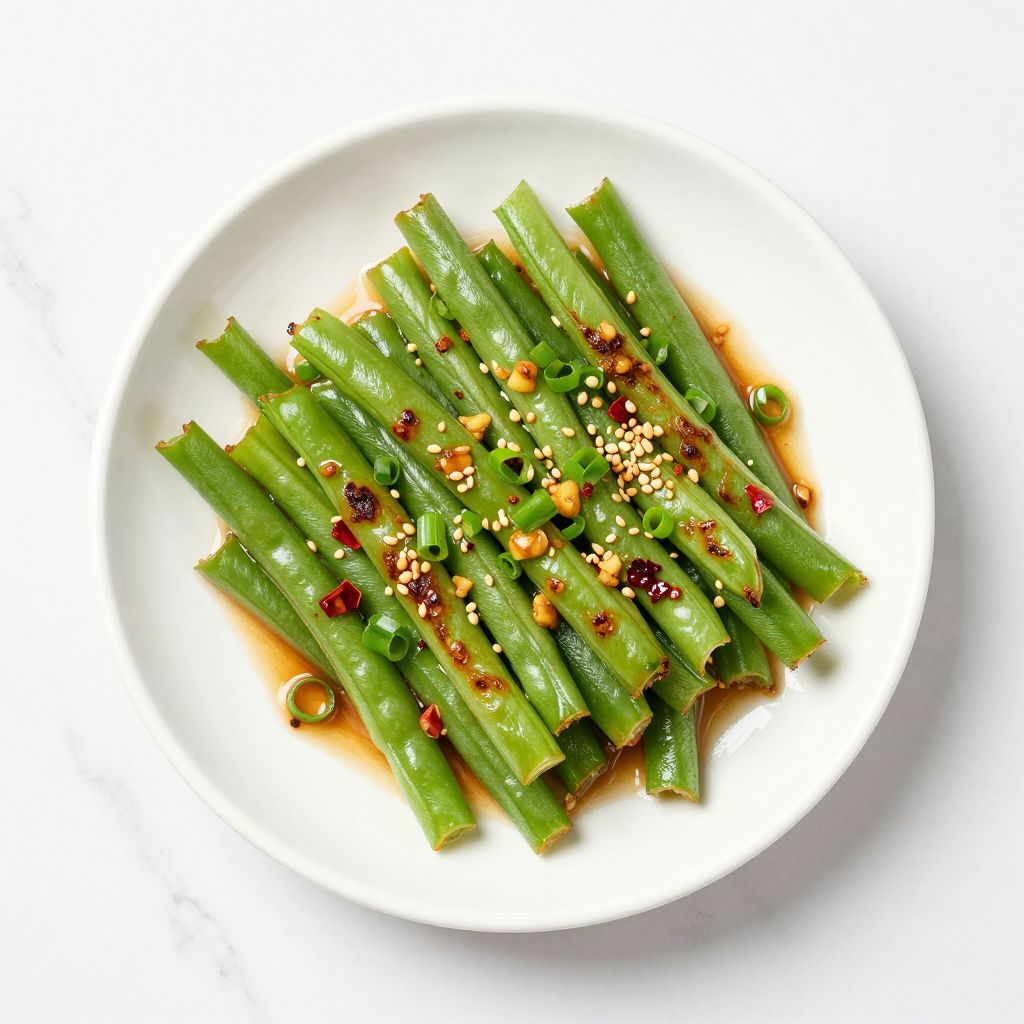
Asian Green Beans deliver crispy-tender vegetables coated in a savory, aromatic sauce that tastes like your favorite takeout but takes just 15 minutes to make at home. This dish combines fresh green beans with garlic, ginger, and soy sauce for an irresistible side that pairs with rice, noodles, or any protein you’re serving.
If you’re tired of plain steamed vegetables and want something that actually excites your taste buds, this recipe is your answer. Let me walk you through how to build layers of flavor that keep your family coming back for seconds.
Why You’ll Love This Recipe
This recipe delivers restaurant-quality results without the restaurant price tag or delivery wait.
- Ready in under 20 minutes from start to finish
- Uses simple pantry staples you probably already have
- Naturally gluten-free when you swap soy sauce for tamari
- Vegetables stay crispy and vibrant, never mushy
- Adapts easily to whatever proteins or grains you’re serving
My Experience Making This Recipe
I first made Asian green beans on a weeknight when I was craving takeout but didn’t want to spend thirty dollars on delivery. The sizzle of garlic and ginger hitting the hot pan filled my kitchen with this incredible aroma that had my partner asking what I was making before dinner was even plated.
The green beans turned out perfectly crispy on the outside and tender on the inside, nothing like the sad, overcooked versions I’d been making for years. My family devoured it so quickly that I now make a double batch because the first one never makes it to a second serving.
What surprised me most was how forgiving this recipe is. I’ve made it with frozen green beans on busy nights, fresh beans when I had time, and even added cashews or peanuts when I wanted more texture. Every version tastes incredible.
Recipe Overview
- Recipe Name: Asian Green Beans
- Servings: 4
- Prep Time: 10 minutes
- Cook Time: 8 minutes
- Total Time: 18 minutes
- Course: Side Dish
- Cuisine: Asian
- Calories per Serving: 95
Equipment You Will Need
- Large skillet or wok
- Cutting board
- Sharp knife
- Measuring spoons and cups
- Small bowl for sauce
- Wooden spoon or spatula
- Garlic mincer or microplane (optional)
Ingredients for Asian Green Beans
- 1.5 pounds fresh green beans, trimmed and cut into 2-inch pieces
- 3 tablespoons vegetable oil, divided
- 4 cloves garlic, minced
- 1 tablespoon fresh ginger, minced
- 3 tablespoons soy sauce
- 1 tablespoon rice vinegar
- 1 teaspoon sesame oil
- 1/2 teaspoon red pepper flakes (adjust to taste)
- 2 tablespoons water
- 1 teaspoon cornstarch
- 2 tablespoons sesame seeds, for garnish
- 2 green onions, sliced, for garnish
Ingredient Notes and Substitutions
- Green Beans: Fresh green beans give you the best texture and flavor, but frozen ones work perfectly well and skip the trimming step. Thaw frozen beans before cooking to avoid excess moisture in your pan.
- Vegetable Oil: Use any high-heat oil like canola, peanut, or avocado oil. Olive oil has too low a smoke point and will burn at the temperatures you need here.
- Garlic and Ginger: Fresh is always better than pre-minced or powder, but in a pinch use 1 teaspoon garlic powder and 1/2 teaspoon ground ginger. Fresh versions deliver that bright, peppery kick that makes this dish sing.
- Soy Sauce: Use tamari for a gluten-free option or coconut aminos if you need soy-free. Both work beautifully and deliver similar salty umami depth.
- Sesame Oil: Don’t skip this ingredient because a little bit adds incredible nutty flavor that ties everything together. It’s not for cooking, only for finishing.
How to Make Asian Green Beans
Step 1: Prepare Your Green Beans and Make the Sauce
Trim the ends off your green beans and cut them into 2-inch pieces so they cook evenly and are easy to eat. While the beans are prepping, whisk together the soy sauce, rice vinegar, sesame oil, and red pepper flakes in a small bowl, then stir in the water and cornstarch to create your sauce base.
Step 2: Heat Your Skillet or Wok
Place your skillet over high heat and let it get really hot for about 2 minutes. A properly heated pan creates the sear and crispness that keeps the green beans from turning into mush, so don’t skip this step.
Step 3: Cook the Green Beans in Two Batches
Add 1.5 tablespoons of oil to your hot skillet, then add half the green beans in a single layer. Let them sit undisturbed for 2 minutes so they develop a nice char and brown spots. This method works better than stirring constantly because it locks in flavor and creates texture.
Stir the beans around and cook for another 2 minutes until they’re bright green and tender-crisp, then transfer them to a plate. Repeat with the remaining oil and green beans, then set them aside with the first batch.
Step 4: Infuse Oil with Garlic and Ginger
Return the skillet to medium-high heat and add the minced garlic and ginger to the remaining oil in the pan. Cook for just 30 seconds to 1 minute, stirring constantly, until the mixture is fragrant but not browned. Burning garlic tastes bitter, so watch it closely and rely on your nose to tell you when it’s done.
Step 5: Return Green Beans to the Pan
Add the cooked green beans back to the skillet with the garlic and ginger, tossing everything together. Make sure the green beans are evenly distributed and coated with the aromatic oil mixture.
Step 6: Add the Sauce
Pour your prepared sauce over the green beans and toss everything constantly for 1 to 2 minutes until the sauce thickens and coats every piece. The cornstarch will absorb the liquid and create a glossy coating that clings to the beans.
Step 7: Taste and Adjust Seasoning
Take a bite of a green bean and decide if you want more heat, salt, or tang. Add more red pepper flakes for spice, a splash of soy sauce for salt, or a bit more rice vinegar for brightness. Seasoning is personal, so trust your palate.
Step 8: Plate and Garnish
Transfer your Asian green beans to a serving dish and sprinkle with sesame seeds and sliced green onions. These garnishes add nutty crunch and a fresh onion bite that elevates the entire dish from good to restaurant-quality.
Pro Tip: Don’t overcrowd your skillet when searing the green beans; cook them in batches even if it takes an extra few minutes, because overcrowding lowers the pan temperature and steams the beans instead of searing them.
Tips for the Best Asian Green Beans
- Pat your green beans completely dry with a paper towel before cooking because any moisture on the surface will create steam and prevent browning. This one step makes a huge difference in texture.
- Buy whole fresh ginger and keep it in your freezer; it keeps for months and you can grate it straight from frozen. This beats paying for pre-minced ginger that loses potency quickly.
- Toast your sesame seeds in a dry skillet for 1 to 2 minutes before garnishing to unlock their nutty flavor. This small move makes them taste twice as good.
- Make your sauce ahead of time and store it in a mason jar so you can throw this dish together on the busiest weeknights. The sauce keeps for two weeks in the fridge.
- If your green beans seem tough after cooking, add a tablespoon of water and cover the skillet for 1 minute to steam them slightly softer. This keeps them from being crunchy if someone prefers them more tender.
- Taste as you go with the heat level; some people love a lot of red pepper flakes while others prefer mild. You can always add more spice, but you can’t remove it.
Common Mistakes to Avoid
- Using low or medium heat slows the cooking process and results in soft, limp green beans instead of crispy ones. High heat is your friend here and gives you the vibrant texture that makes this dish special.
- Stirring the green beans constantly while they cook prevents browning and creates a steamed vegetable instead of a seared one. Let them sit on the pan undisturbed for at least 2 minutes at a time.
- Adding the sauce too early dilutes the flavors and makes the green beans soggy. Wait until the end when the beans are cooked to add your liquid component.
- Skipping the sesame oil might seem like a shortcut, but it removes the nutty depth that makes this dish taste authentic. Use the full amount even though it’s just a teaspoon.
- Overcooking the garlic and ginger turns them bitter and overpowers the other flavors. Cook them just long enough to become fragrant, usually under a minute.
Serving Suggestions
Serve your Asian green beans alongside steamed white or brown rice to soak up every drop of sauce. They also pair beautifully with noodles, as a side to grilled chicken or salmon, or even alongside a simple stir-fry.
- Jasmine rice for a light, aromatic base
- Coconut rice for extra richness and tropical flavor
- Brown rice for a nuttier taste and more fiber
- Crispy chow mein noodles for contrasting texture
- Alongside grilled fish, chicken, or tofu as a complete meal
Variations to Try
- Spicy Version: Add 1 tablespoon of sriracha or chili paste to your sauce for a deeper heat that builds as you eat. This makes the dish less subtle but incredibly satisfying for heat lovers.
- Cashew or Peanut Addition: Toss in 1/2 cup of roasted cashews or peanuts during the final minute of cooking for crunch and protein. This transforms the side into something more substantial and restaurant-style.
- Garlic Lovers Version: Use 6 or 7 cloves of garlic instead of 4, and add a few sliced garlic chips for texture. Roasted garlic becomes sweet and mellow, so you can use way more than you’d expect.
- Orange Zest Version: Add 1 tablespoon of fresh orange zest and a splash of orange juice to your sauce for brightness. The citrus cuts through the richness and adds a sophisticated twist.
- Five-Spice Variation: Add 1/2 teaspoon of five-spice powder to your sauce for warming spices like star anise and cinnamon. This creates an interesting flavor complexity that feels more adventurous.
Dietary Adaptations
- Gluten-Free: Swap regular soy sauce for tamari or coconut aminos, both of which are gluten-free and deliver the same savory depth. The cornstarch in the recipe is naturally gluten-free, so everything else stays the same.
- Dairy-Free: This recipe is already completely dairy-free, so no changes needed. Sesame oil is plant-based and adds no animal products.
- Vegan and Vegetarian: The recipe is already vegan and vegetarian since it contains no animal products at all. Serve it as a main with rice and tofu or as a side to any plant-based protein.
- Low-Carb and Keto: Skip the cornstarch and use just 1 tablespoon of water to avoid thickening the sauce. The dish still tastes incredible, just a bit saucier, and fits perfectly into a keto meal plan.
Storage and Reheating
Refrigerator
Store leftover Asian green beans in an airtight container for up to three days. They’ll keep their color and flavor beautifully.
- Let them cool completely before refrigerating to prevent condensation
- Transfer to a container as soon as they reach room temperature
- Don’t leave them sitting at room temperature for more than two hours
Freezer
Freeze your green beans in a freezer-safe container for up to two months if you want to meal prep ahead. They thaw and reheat surprisingly well.
- Lay them flat in a freezer bag to save space
- Label with the date so you remember when you made them
- Thaw overnight in the fridge before reheating
Reheating
Reheat your green beans gently to bring them back to life without overcooking them further. A quick stovetop method works best.
- Place them in a skillet over medium heat and warm for 2 to 3 minutes, stirring occasionally
- Add a splash of water if they seem dry after storage
- Refresh the garlic and ginger by adding a tiny bit of minced fresh versions before serving
Nutrition Information
| Nutrient | Amount |
|---|---|
| Calories | 95 |
| Total Fat | 7g |
| Saturated Fat | 1g |
| Carbohydrates | 8g |
| Fiber | 2g |
| Sugar | 1g |
| Protein | 2g |
| Sodium | 480mg |
| Cholesterol | 0mg |
This nutrition information is calculated for four servings without any optional garnishes or additions. Values may vary slightly based on specific brands and exact measurements used.
Frequently Asked Questions
Can I Make This Dish Ahead of Time?
You can prep all your ingredients and make the sauce a day ahead, but cook the green beans fresh for the best texture. The beans stay crispy for about two hours after cooking, so make them right before dinner for maximum crispness.
What If I Only Have Frozen Green Beans?
Thaw your frozen green beans completely and pat them dry before cooking to remove excess water. They’ll cook faster than fresh ones, so reduce your cooking time by about one minute per batch.
How Do I Make This Spicier?
Add more red pepper flakes to the sauce, use sriracha instead of part of the soy sauce, or include fresh sliced Thai chilis. Start small and taste as you go because heat builds quickly and you can’t remove it once it’s added.
Can I Add Protein to This Dish?
Absolutely, stir in diced chicken, shrimp, or tofu during the final minute of cooking, or serve it over your cooked protein. The sauce coats everything beautifully and ties all the flavors together.
Why Are My Green Beans Coming Out Mushy?
This happens when the pan isn’t hot enough or you’re stirring them too much, which steams them instead of searing them. Crank your heat to high, don’t crowd the pan, and let them sit undisturbed for the first couple of minutes.
How Much Does This Recipe Serve?
This recipe makes four servings as a side dish, but only two servings if you’re eating it as a main with just rice. Double the batch if you’re feeding a larger group.
Final Thoughts
Asian green beans have become a weekly staple in my kitchen because they’re quick, healthy, and taste like I spent way more effort than I actually did. Your family will think you’re a better cook than you are, which is the real victory here.
Go make this tonight and taste the difference fresh ingredients and high heat can create. I promise your kitchen will smell amazing and your dinner guests will be asking for the recipe.
Asian Green Beans
Ingredients
Equipment
Method
- Trim the ends off your green beans and cut them into 2-inch pieces so they cook evenly and are easy to eat.
- In a small bowl, whisk together the soy sauce, rice vinegar, sesame oil, and red pepper flakes; then stir in the water and cornstarch to create your sauce base.
- Place your skillet over high heat and let it get really hot for about 2 minutes.
- Add 1.5 tablespoons of vegetable oil to the hot skillet, then add half the green beans in a single layer.
- Let the green beans sit undisturbed for 2 minutes so they develop a nice char and brown spots.
- Stir the beans around and cook for another 2 minutes until they're bright green and tender-crisp, then transfer them to a plate.
- Repeat the cooking process with the remaining oil and green beans, then set all cooked beans aside.
- Return the skillet to medium-high heat and add the minced garlic and ginger to the remaining oil in the pan.
- Cook for 30 seconds to 1 minute, stirring constantly, until the mixture is fragrant but not browned.
- Add the cooked green beans back to the skillet with the garlic and ginger, tossing everything together to coat evenly.
- Pour the prepared sauce over the green beans and toss constantly for 1 to 2 minutes until the sauce thickens and coats every piece.
- Taste and adjust seasoning as desired by adding more red pepper flakes, soy sauce, or rice vinegar.
- Transfer your Asian green beans to a serving dish and sprinkle with sesame seeds and sliced green onions as garnish.