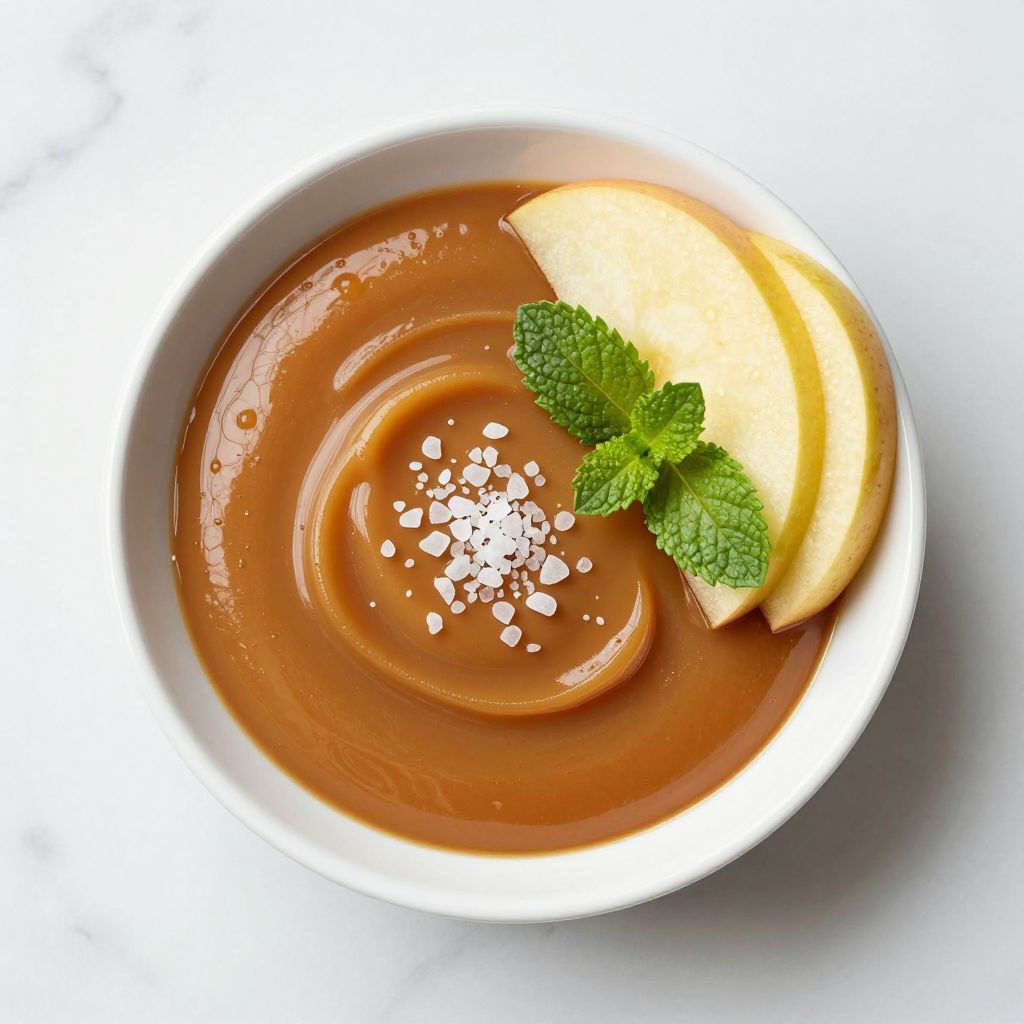
Cajeta is a silky, caramel-like sauce made from sweetened condensed milk that you can prepare in your own kitchen in under an hour.
This Mexican favorite transforms simple ingredients into a luscious dessert topping that works beautifully over ice cream, churros, or fresh fruit. Whether you’re craving authentic homemade cajeta or need an impressive dessert component, this recipe delivers rich, buttery flavor without fussy techniques.
Why You’ll Love This Recipe
Cajeta beats store-bought versions in flavor and freshness, and honestly, making it yourself costs just a few dollars.
- Only three ingredients needed for the classic version
- Ready in less than one hour with minimal hands-on time
- Works perfectly as a topping, filling, or dipping sauce
- Keeps in the refrigerator for weeks, making it ideal for meal prep
- Looks fancy enough to impress guests but requires no special skills
My Experience Making This Recipe
The first time I made cajeta, I was skeptical that boiling sweetened condensed milk could produce something so decadent. Within minutes of tasting my homemade batch spooned over vanilla ice cream, I became an instant believer.
My family now requests it constantly, and I’ve learned that the low-and-slow approach prevents scorching while building that deep caramel color. The aroma filling your kitchen as it simmers is honestly worth the wait alone.
I’ve served it at dinner parties, drizzled it over desserts, and even packed small jars as gifts. People genuinely think you spent hours on something that actually demands just patient simmering.
Recipe Overview
- Recipe Name: Cajeta
- Servings: Makes about 1 1/2 cups
- Prep Time: 5 minutes
- Cook Time: 50 minutes
- Total Time: 55 minutes
- Course: Dessert, Sauce
- Cuisine: Mexican
- Calories per Serving: 120 (per 2-tablespoon serving)
Equipment You Will Need
- Large heavy-bottomed pot or saucepan
- Wooden spoon for stirring
- Candy or instant-read thermometer
- Whisk (optional, for faster whisking)
- Glass measuring cups
- Airtight glass jars for storage
- Fine-mesh strainer (optional, for smoothing)
Ingredients for Cajeta
- 1 can (14 ounces) sweetened condensed milk
- 1/2 teaspoon baking soda
- 1/4 teaspoon vanilla extract
- Pinch of sea salt
Ingredient Notes and Substitutions
- Sweetened condensed milk is the foundation of cajeta, providing the sugar and milk solids that create the caramel flavor when heated slowly. You can substitute with whole milk mixed with sweetened evaporated milk in a 1:1 ratio, though the texture will be slightly thinner and require longer cooking.
- Baking soda reacts with the milk to create a chemical reaction that darkens the color and deepens the caramel flavor much faster than heat alone. If you skip it, your cajeta will still work but will take significantly longer to reach the desired color and thickness.
- Vanilla extract adds warmth and complexity to the finished sauce. Use clear vanilla for the purest flavor, or substitute with a small splash of rum or cinnamon extract for variation.
- Sea salt balances the sweetness and enhances the caramel notes. Table salt works equally well in the same amount.
How to Make Cajeta
Step 1: Combine Base Ingredients
Pour the sweetened condensed milk into your heavy-bottomed pot, then add the baking soda and stir quickly with a wooden spoon. The mixture will immediately foam up because the baking soda reacts with the acidity in the milk, which helps darken the color faster and develop deeper flavor.
Step 2: Heat to Boil
Place the pot over medium heat and bring the mixture to a gentle boil, stirring occasionally to prevent sticking on the bottom. You’ll notice the foam from the baking soda reaction will settle down within the first minute or two.
Step 3: Reduce Heat and Monitor
Once boiling, reduce the heat to medium-low so the mixture simmers gently and steadily without rapid bubbling. A gentle, consistent bubble rate prevents scorching while allowing the milk solids to caramelize properly.
Step 4: Stir Frequently
Stir the mixture every 5 to 10 minutes using a wooden spoon, making sure to reach the corners and bottom of the pot where scorching is most likely. Consistent stirring distributes heat evenly and prevents any single area from burning.
Step 5: Watch for Color Changes
After about 20 to 30 minutes of simmering, the mixture will begin transforming from pale ivory to light tan, then gradually to a deeper caramel brown. The color darkening indicates that the milk sugars are caramelizing, which creates that signature rich flavor.
Step 6: Check Consistency
At around 45 to 50 minutes of total cooking time, the mixture should coat the back of a spoon and slowly drip off when tilted. If you have a candy thermometer, aim for 220 to 225 degrees Fahrenheit for a thick but pourable consistency.
Step 7: Add Vanilla and Salt
Remove the pot from heat and stir in the vanilla extract and salt, mixing well to distribute them evenly. Adding vanilla off the heat preserves its delicate flavor rather than cooking it away.
Step 8: Cool and Transfer
Allow the cajeta to cool for 10 to 15 minutes in the pot, during which time it will continue to thicken slightly. Transfer to clean glass jars once it reaches room temperature, and it will thicken further as it cools completely.
Pro Tip: The baking soda reaction is your secret weapon for fast, dark caramel color without the risk of burning that comes with cooking milk for two hours. Never skip it if you want authentic cajeta in under an hour.
Tips for the Best Cajeta
- Use a heavy-bottomed pot to distribute heat evenly and prevent hot spots that can scorch the mixture. Thin pots create uneven cooking and increase burn risk.
- Resist the urge to turn up the heat to finish faster; medium-low heat is non-negotiable for a smooth, caramel-colored sauce without burnt spots.
- Keep a candy thermometer handy so you can nail the exact doneness without guessing based on color alone. Temperature is more reliable than visual cues.
- Stir with a wooden spoon rather than metal, which can react with the acidic milk and affect flavor. Wood also gives better tactile feedback for checking thickness.
- If your cajeta seems too thick after cooling, thin it with a tablespoon of milk at a time and stir well. If it’s too thin, return it to low heat for another 5 to 10 minutes.
- Taste and adjust salt at the end; a pinch of fleur de sel on top before serving adds texture and balances sweetness perfectly.
Common Mistakes to Avoid
- Skipping the baking soda reaction will extend your cooking time to 90 minutes or more, and the color won’t develop as richly. The chemical reaction is what makes this recipe efficient.
- Cooking at too high a temperature scorches the mixture and leaves burnt specks throughout, ruining the smooth texture. Patience with medium-low heat is the entire game.
- Neglecting to stir frequently causes the bottom to burn while the top remains too thin. Consistent stirring ensures even caramelization.
- Opening a sealed can of sweetened condensed milk and boiling it unopened is dangerous and can cause explosion; always use an opened can in an open pot.
- Adding vanilla too early burns off the flavor; always add it after removing from heat for maximum aroma and taste impact.
Serving Suggestions
Cajeta shines as a versatile topping that transforms simple desserts into something special. Drizzle it warm over ice cream for instant indulgence, or serve it at room temperature as a dipping sauce.
- Spoon over vanilla or cinnamon ice cream with fresh apple slices
- Use as a filling between churros or as a dipping sauce alongside them
- Drizzle over fresh berries, flan, or crepes for an elegant finish
- Swirl into plain yogurt with granola for a simple breakfast or snack
- Fill crepes or crepes suzettes for an easy fancy dessert
Variations to Try
- Chocolate Cajeta: Stir in 3 tablespoons of unsweetened cocoa powder at the end along with vanilla. The cocoa adds depth and bittersweet contrast to the sweet caramel.
- Spiced Cajeta: Add 1/4 teaspoon of cinnamon, 1/8 teaspoon of nutmeg, and a pinch of clove at the end for warm spice notes. These complement the caramel beautifully without overpowering it.
- Salted Cajeta: Use fleur de sel instead of regular salt and increase to 1/2 teaspoon for a salted caramel effect. The contrast between salt and sweetness creates an addictive flavor.
- Rum or Brandy Cajeta: Replace half the vanilla with 1/2 teaspoon of good quality rum or brandy extract. This adds sophistication and pairs wonderfully with chocolate desserts.
- Dulce de Leche Style: Cook an additional 5 to 10 minutes past the standard time until very dark brown and thick, then thin with a splash of milk if needed. This creates a deeper, more intense caramel flavor.
Dietary Adaptations
- Dairy-Free: Substitute sweetened condensed coconut milk for regular condensed milk and use 1/4 teaspoon of baking soda. The result will be slightly less rich but still delicious.
- Vegan: Use sweetened condensed coconut milk and ensure your vanilla extract is alcohol-free if that matters to you. The taste differs slightly but remains a satisfying caramel sauce.
- Lower Sugar: This recipe is inherently sweetened condensed milk-based, so significant sugar reduction isn’t practical without changing the entire foundation. Consider using it more sparingly as a drizzle rather than heavy topping.
- Gluten-Free: This recipe is naturally gluten-free with no flour or gluten-containing ingredients, making it safe for celiac diets.
Storage and Reheating
Refrigerator
Store cajeta in an airtight glass jar in the refrigerator where it will keep for up to three weeks. The sauce will thicken further when cold and can be softened by warming gently before serving.
- Transfer to a microwave-safe container
- Heat in 30-second intervals, stirring between each, until warm and pourable
- Or place the jar in a bowl of warm water for a few minutes to soften
Freezer
Cajeta freezes beautifully for up to two months in airtight containers or ice cube trays. Freezing stops any further browning or thickening.
- Freeze in a silicone ice cube tray for easy portioning
- Once frozen, pop cubes into a freezer bag for compact storage
- Thaw in the refrigerator overnight or warm gently on the stovetop
Reheating
Warm cajeta gently on low heat or in the microwave just until pourable, as overheating can cause separation or further thickening. A few seconds of warmth is usually all you need.
- Microwave method is fastest: heat in short 15 to 20-second bursts
- Stovetop: warm in a small pot over low heat, stirring constantly
- Water bath: place jar in warm water for a gentle warm-up without direct heat
Nutrition Information
| Nutrient | Amount |
|---|---|
| Calories | 120 |
| Total Fat | 3g |
| Saturated Fat | 2g |
| Carbohydrates | 21g |
| Fiber | 0g |
| Sugar | 21g |
| Protein | 1g |
| Sodium | 35mg |
| Cholesterol | 10mg |
Nutrition values are approximate and based on standard sweetened condensed milk. Per serving assumes a 2-tablespoon serving size from the full batch.
Frequently Asked Questions
Can I make cajeta without baking soda?
Yes, but it will take 90 minutes to 2 hours of constant simmering to achieve the proper color and caramel flavor. The baking soda simply accelerates the browning process through a chemical reaction rather than heat alone.
Why did my cajeta separate or become grainy?
Overheating after the mixture is fully cooked can cause the milk proteins to separate, creating a grainy or oily texture. Always remove from heat once it reaches the desired color and never cook beyond the 220-225 degree Fahrenheit range.
How do I know when cajeta is done cooking?
The mixture should coat the back of a spoon and slowly drip off when tilted, or reach 220 to 225 degrees Fahrenheit on a candy thermometer. Color should be deep caramel brown, not light tan.
Can I make cajeta in a slow cooker?
Slow cookers make cajeta but take 4 to 6 hours on low heat without the baking soda reaction to speed things up. The stovetop method with baking soda is more practical and faster.
Is store-bought cajeta better than homemade?
Homemade cajeta has superior fresh flavor and costs just a few dollars to make, while store-bought versions often contain additives or preservatives. Once you’ve tasted homemade, store-bought feels bland by comparison.
Can I use evaporated milk instead of sweetened condensed milk?
Evaporated milk requires added sugar and produces a different texture that’s more custard-like than true cajeta. Sweetened condensed milk is really the proper ingredient for authentic flavor and texture.
How thick should cajeta be when cooled?
Properly cooked cajeta should be thick enough to coat a spoon but still pour easily at room temperature. If it’s too thick after cooling, warm it and thin with 1 tablespoon of milk at a time.
Final Thoughts
Making cajeta at home is one of the easiest ways to create something that looks and tastes fancy without any fancy technique. A handful of ingredients and one pot is genuinely all you need to impress people with a dessert topping they’ll remember.
Try this recipe this weekend and experience the joy of warm homemade caramel spooned over your favorite ice cream or dessert. Once you taste it fresh from your own kitchen, you’ll understand why this Mexican classic has stayed popular for generations.
Cajeta
Ingredients
Equipment
Method
- Pour the sweetened condensed milk into your heavy-bottomed pot, then add the baking soda and stir quickly with a wooden spoon. The mixture will immediately foam up because the baking soda reacts with the acidity in the milk, which helps darken the color faster and develop deeper flavor.
- Place the pot over medium heat and bring the mixture to a gentle boil, stirring occasionally to prevent sticking on the bottom. The foam from the baking soda reaction will settle down within the first minute or two.
- Once boiling, reduce the heat to medium-low so the mixture simmers gently and steadily without rapid bubbling. A gentle, consistent bubble rate prevents scorching while allowing the milk solids to caramelize properly.
- Stir the mixture every 5 to 10 minutes using a wooden spoon, reaching the corners and bottom of the pot to prevent scorching and ensure even caramelization.
- After about 20 to 30 minutes of simmering, observe the mixture as it changes color from pale ivory to light tan, then gradually to a deeper caramel brown, indicating caramelization of milk sugars.
- At around 45 to 50 minutes of cooking time, check the consistency. The mixture should coat the back of a spoon and drip off slowly. If using a candy thermometer, aim for 220 to 225 degrees Fahrenheit for a thick but pourable consistency.
- Remove the pot from heat and stir in the vanilla extract and a pinch of sea salt, mixing well to distribute evenly. Adding vanilla off the heat preserves its delicate flavor.
- Allow the cajeta to cool for 10 to 15 minutes in the pot, during which it will thicken slightly. Transfer to clean airtight glass jars after reaching room temperature. The sauce will thicken further as it cools completely.