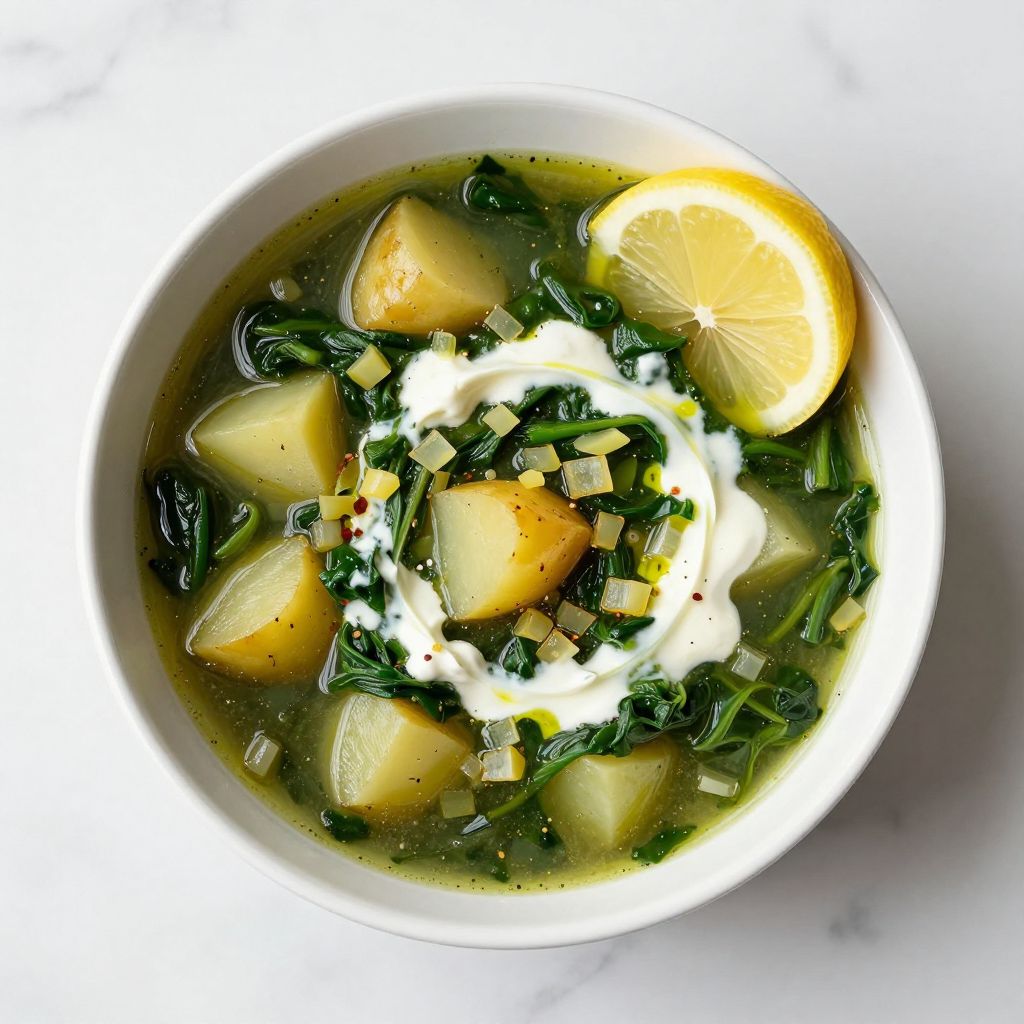
Turnip green soup is a rustic, nutrient-packed dish that transforms humble leafy greens into something deeply satisfying and delicious. This simple recipe showcases how a few quality ingredients and proper technique can create a soup that tastes like comfort in a bowl.
Made with fresh turnip greens, aromatic vegetables, and a touch of broth, this soup delivers earthy flavor and impressive nutrition without fussiness. Whether you’re looking for a light lunch or a nourishing side dish, this recipe delivers every single time.
Why You’ll Love This Recipe
Turnip green soup hits that sweet spot between simple and sophisticated, requiring minimal prep yet tasting like you spent hours on it.
- Packed with vitamins A, C, and K from fresh turnip greens for genuine nutritional benefit
- Ready in under 30 minutes, making it perfect for busy weeknights
- Budget-friendly ingredients that don’t sacrifice flavor or quality
- Naturally low in calories but surprisingly filling and satisfying
- Adapts easily to pantry staples and dietary preferences without losing its character
My Experience Making This Recipe
I discovered turnip greens at a farmers market stand on a cool autumn morning, and the vendor mentioned they make an incredible soup. I was skeptical at first, honestly, because I’d never thought of turnip greens as soup material.
My first batch came together in about 25 minutes, and the aroma filling my kitchen was nothing short of amazing. The soup had this deep, slightly peppery flavor that reminded me of Southern cooking traditions, with a silky texture that nobody expected from something so simple.
Friends who tried it kept asking for the recipe, assuming it had some secret ingredient I wasn’t sharing. The real secret turned out to be fresh greens and paying attention to how long you simmer everything together.
Recipe Overview
- Recipe Name: Turnip Green Soup
- Servings: 4
- Prep Time: 10 minutes
- Cook Time: 20 minutes
- Total Time: 30 minutes
- Course: Soup
- Cuisine: Southern American
- Calories per Serving: 120
Equipment You Will Need
- Large chef’s knife for chopping vegetables
- Cutting board
- Large pot or Dutch oven
- Wooden spoon for stirring
- Measuring cups and spoons
- Vegetable peeler (optional)
- Ladle for serving
- Immersion blender (optional, for creamier texture)
Ingredients for Turnip Green Soup
- 1 pound fresh turnip greens, roughly chopped
- 2 tablespoons olive oil
- 1 medium yellow onion, diced
- 3 cloves garlic, minced
- 4 cups vegetable or chicken broth
- 1 medium potato, peeled and diced into small cubes
- 1 teaspoon salt, plus more to taste
- 1/2 teaspoon black pepper
- 1/4 teaspoon red pepper flakes (optional, for subtle heat)
- Juice of half a lemon
Ingredient Notes and Substitutions
- Fresh turnip greens bring earthy, slightly peppery notes that define this soup. If you can’t find them, collard greens or kale work as solid substitutes, though the flavor profile shifts slightly toward milder or more robust notes respectively.
- Olive oil carries the flavors of the aromatics and adds richness. Butter or ghee creates a richer mouthfeel if you prefer that direction.
- A waxy potato like Yukon Gold holds its shape during cooking without turning mushy. Russet potatoes work but may break down more easily, which some people prefer for a thicker soup.
- Vegetable broth keeps the dish vegan, while chicken broth adds deeper umami flavor without compromising the recipe’s core identity.
- Lemon juice brightens the earthy greens and prevents the soup from tasting flat or dull. Lime juice or white vinegar deliver similar results with slightly different character.
How to Make Turnip Green Soup
Step 1: Prepare the Greens
Rinse your turnip greens thoroughly under cold water, rubbing them gently to remove any dirt or sand trapped between the leaves. Roughly chop the greens into bite-sized pieces, discarding any tough stems or yellowed leaves that don’t look fresh.
Step 2: Prep Your Vegetables
Dice your onion into small, uniform pieces about quarter-inch in size so it cooks evenly and distributes flavor throughout the pot. Peel and dice your potato into small cubes; keeping them small ensures they cook through quickly and blend nicely without falling apart.
Step 3: Heat the Oil
Add olive oil to a large pot or Dutch oven over medium heat and let it warm for about one minute. You’ll know it’s ready when you can feel gentle heat radiating from the pot and a drop of water sizzles on contact.
Step 4: Saute the Aromatics
Add your diced onion to the hot oil and stir frequently for about three minutes until it becomes translucent and fragrant. This step builds flavor by allowing the onion’s natural sugars to caramelize slightly, creating a more complex base than raw onion would provide.
Step 5: Add the Garlic
Stir in your minced garlic and cook for another 30 seconds to one minute, stirring constantly to prevent it from burning. Garlic burns quickly once added to hot oil, and burnt garlic tastes bitter and unpleasant, so timing matters here.
Step 6: Add the Broth and Potato
Pour in your broth and add the diced potato, stirring well to combine everything. Bring the liquid to a gentle boil over medium-high heat, which should take about three to four minutes.
Step 7: Simmer and Cook the Potato
Once boiling, reduce the heat to medium and let the soup simmer for about eight minutes until the potato pieces are fork-tender. You want them soft enough to break apart easily without being mushy or falling apart completely.
Step 8: Add the Turnip Greens
Add your chopped turnip greens to the pot along with salt, black pepper, and red pepper flakes if using. Stir everything together and let it simmer for another five to seven minutes until the greens are completely tender and have released their flavors into the broth.
Step 9: Season and Finish
Squeeze in the lemon juice and stir well, then taste the soup and adjust seasoning as needed. You might want a pinch more salt or a squeeze of extra lemon, depending on your broth’s sodium level and personal preference.
Pro Tip: Don’t skip the lemon juice at the end; it brightens the earthy greens and makes the entire soup taste more vibrant and complete.
Tips for the Best Turnip Green Soup
- Use the freshest turnip greens you can find, ideally from a farmers market where you can inspect them directly. Fresh greens make a noticeably better soup than wilted or aged ones.
- Chop your greens roughly rather than finely; they shrink considerably during cooking, and rough cuts maintain better texture in the finished soup.
- Don’t rush the sauteing step with onions and garlic; those three to four minutes create the flavor foundation that makes this soup sing.
- If you prefer a creamier soup, use an immersion blender to partially puree it, leaving some texture and chunks intact for a more interesting mouthfeel.
- Make a double batch and freeze half for later; this soup freezes beautifully and tastes just as good reheated as it does fresh.
- Taste constantly as you cook, adjusting salt and acid throughout rather than waiting until the end to season everything at once.
Common Mistakes to Avoid
- Adding salt too early in the cooking process can toughen the greens and make the soup taste overly salty before flavors concentrate. Wait until the end to season properly.
- Overcooking the greens turns them into a gray, mushy mess that tastes like nothing. Five to seven minutes is plenty of time for them to become tender.
- Skipping the onion and garlic sauteing step to save time results in a flat, one-dimensional soup that tastes watery instead of rich.
- Using broth straight from the refrigerator without tasting it first can lead to a soup that’s too salty or too bland, depending on your brand. Adjust accordingly.
- Forgetting the lemon juice or acid element makes the soup taste dull and causes the earthiness of the greens to dominate without balance.
Serving Suggestions
Serve turnip green soup hot in bowls with plenty of crusty bread for dipping, or pair it with a side salad for a light, satisfying meal. A dollop of sour cream or crème fraîche adds richness if you want extra indulgence.
- Crusty sourdough bread for dipping and soaking up every bit of broth
- Crispy bacon bits scattered on top for smoky, salty contrast
- Grated Parmesan cheese for umami depth and a creamy finish
- A swirl of heavy cream or Greek yogurt for richness without heaviness
- Red onion slices and fresh lemon wedges for bright, acidic notes
Variations to Try
- Add diced ham or smoked turkey for a heartier, protein-forward version that feels more substantial as a main course.
- Swap the potato for white beans to increase protein and create a chunkier texture that holds up better if you plan to freeze and reheat.
- Stir in heavy cream or coconut milk at the end for a creamy turnip green soup that feels luxurious without losing the greens’ character.
- Add diced carrots alongside the onion for natural sweetness that balances the greens’ earthiness beautifully.
- Include fresh herbs like thyme or rosemary during the final five minutes of cooking for herbal notes that enhance the overall complexity.
Dietary Adaptations
- Gluten-free: This recipe is naturally gluten-free; just confirm your broth doesn’t contain hidden gluten and serve it with gluten-free bread if desired.
- Dairy-free: Skip any cream toppings and use vegetable broth; the soup itself contains no dairy and tastes complete as is.
- Vegan: Use vegetable broth instead of chicken broth and skip any meat toppings like bacon; the soup remains hearty and satisfying.
- Low-carb or keto: Omit the potato entirely or replace it with cauliflower rice, which keeps the soup low-carb while maintaining creaminess without actual cream.
Storage and Reheating
Refrigerator
Store your turnip green soup in an airtight container for up to four days in the refrigerator. The flavors actually deepen and improve slightly as it sits, making this a great make-ahead dish.
- Cool the soup completely before covering to avoid condensation buildup
- Use glass or freezer-safe plastic containers to prevent staining
Freezer
This soup freezes beautifully for up to three months when stored in freezer-safe containers or heavy-duty freezer bags. Leave a little headspace in containers to account for expansion as liquid freezes.
- Flat, stackable containers save freezer space better than bulky round ones
- Label containers with the date so you know how long they’ve been frozen
Reheating
Thaw frozen soup overnight in the refrigerator, then reheat on the stovetop over medium heat until steaming throughout. You can also reheat directly from frozen over low heat, though this takes longer and requires more stirring to ensure even warming.
- Add a splash of fresh broth or water when reheating if the soup seems too thick or concentrated
- Taste and adjust seasonings after reheating, as flavors can shift slightly during freezing
Nutrition Information
| Nutrient | Amount |
|---|---|
| Calories | 120 |
| Total Fat | 7g |
| Saturated Fat | 1g |
| Carbohydrates | 12g |
| Fiber | 2g |
| Sugar | 2g |
| Protein | 4g |
| Sodium | 850mg |
| Cholesterol | 0mg |
Nutrition values are approximate and calculated based on standard ingredient databases. Actual nutrition varies depending on specific brands and preparation methods used.
Frequently Asked Questions
Can I use frozen turnip greens instead of fresh?
Yes, frozen turnip greens work perfectly well and sometimes taste even more flavorful since they’re frozen at peak ripeness. Thaw them before adding and reduce the simmering time by a minute or two since they’re already partially cooked.
What if I can’t find turnip greens at my store?
Collard greens, kale, mustard greens, or even spinach work as substitutes, though each brings slightly different flavor to the finished soup. Collard greens are most similar in taste and texture to turnip greens.
Can I make this soup ahead of time?
Absolutely, this soup actually tastes better the next day as flavors deepen and meld together. Make it up to four days ahead and store it in the refrigerator, or freeze it for up to three months.
Why is my soup bitter?
Bitterness usually comes from overcooking the greens or from burnt garlic, both of which happened if you cooked either too long or at too high heat. Make fresh soup using shorter cooking times and lower heat for garlic.
How do I make this soup thicker?
Use an immersion blender to puree part of the soup, blending some potatoes into the broth to create natural creaminess without added cream. Alternatively, add more potato chunks or reduce the broth by simmering uncovered for a few extra minutes.
Is this soup actually healthy?
Yes, turnip greens are loaded with vitamins A, C, and K along with minerals like calcium and iron, making this soup genuinely nutritious. It’s low in calories and high in fiber, creating a satisfying dish that nourishes your body.
Final Thoughts
Turnip green soup proves that simple recipes with quality ingredients often taste better than complicated dishes with endless steps and obscure components. This recipe has become a favorite in my kitchen because it delivers comfort and nutrition in under 30 minutes without any fuss.
Make a batch this week and see why people keep asking for the recipe. You’ll quickly understand that this humble soup belongs on your regular rotation.
Turnip Green Soup
Ingredients
Equipment
Method
- Rinse the turnip greens thoroughly under cold water, rubbing gently to remove dirt or sand. Roughly chop into bite-sized pieces, discard tough stems or yellowed leaves.
- Dice the onion into small, quarter-inch pieces. Peel and dice the potato into small cubes.
- Heat olive oil in a large pot or Dutch oven over medium heat for about one minute until warm.
- Add diced onion to the hot oil and sauté, stirring frequently, for about three minutes until translucent and fragrant.
- Add minced garlic and cook for 30 seconds to one minute, stirring constantly to avoid burning.
- Pour in broth and add diced potato. Stir to combine and bring to a gentle boil over medium-high heat, about three to four minutes.
- Reduce heat to medium and simmer for about eight minutes until potato pieces are fork-tender but not mushy.
- Add chopped turnip greens, salt, black pepper, and red pepper flakes if using. Stir and simmer for another five to seven minutes until greens are tender and flavorful.
- Squeeze in lemon juice and stir well. Taste and adjust seasoning with extra salt or lemon as desired before serving.