Nothing beats a fresh, warm cookie straight from the oven, and a single serve cookie recipe makes it possible to satisfy that craving without baking a dozen. This simple recipe uses basic pantry staples like butter, sugar, and flour to create one perfectly chewy cookie in minutes.
Whether you want an indulgent treat after dinner or a quick dessert for one, this recipe delivers bakery-quality results with minimal cleanup. Let me walk you through everything you need to know to bake the perfect cookie every single time.
Why You’ll Love This Recipe
This single serve cookie hits all the marks: it’s fast, foolproof, and delivers exactly what you crave without the temptation of leftovers sitting in your kitchen.
- Ready to eat in under 15 minutes from start to finish
- Uses ingredients you already have on hand
- No mixing bowl or fancy equipment required
- Perfectly chewy texture with crispy edges every time
- Customizable with mix-ins like chocolate chips, nuts, or dried fruit
My Experience Making This Recipe
I created this recipe on a Tuesday night when I wanted dessert but didn’t want to commit to baking a full batch. The smell alone while it baked had my entire apartment smelling like a cookie shop.
The first bite was exactly what I needed: crispy golden edges giving way to a soft, chewy center. My partner tried one and immediately asked me to make it again the next day.
Since then, I’ve made this recipe dozens of times and tweaked it to perfection. The dough comes together in about two minutes, and waiting for that fresh-baked cookie is almost as good as eating it.
Recipe Overview
- Recipe Name: Single Serve Cookie
- Servings: 1 cookie
- Prep Time: 5 minutes
- Cook Time: 10 minutes
- Total Time: 15 minutes
- Course: Dessert
- Cuisine: American
- Calories per Serving: 280 calories
Equipment You Will Need
- Small mixing bowl
- Fork or small whisk
- Small baking sheet or oven-safe ramekin
- Measuring spoons
- Measuring cups
- Oven
Ingredients for Single Serve Cookie
- 3 tablespoons butter, softened
- 3 tablespoons granulated sugar
- 2 tablespoons brown sugar, packed
- 1 egg yolk
- 1/4 teaspoon vanilla extract
- 1/4 cup all-purpose flour
- 1/8 teaspoon baking soda
- Pinch of salt
- 3 tablespoons chocolate chips (or mix-in of choice)
Ingredient Notes and Substitutions
- Butter adds richness and creates that signature cookie texture. You can substitute with coconut oil in equal amounts, though the flavor will shift slightly toward coconut.
- Granulated sugar provides structure and helps cookies spread slightly. You can use all brown sugar if you prefer a chewier texture, but the cookie will be denser.
- Brown sugar adds moisture and caramel notes. Swap it for additional granulated sugar if you don’t have it, though you’ll lose some depth of flavor.
- Egg yolk binds the dough and creates a tender crumb. You cannot easily replace this without changing the texture significantly.
- Vanilla extract adds warmth and depth. Almond extract works as a 1-to-1 substitute for a different flavor profile.
- All-purpose flour forms the base. You can use cake flour for an extra-tender cookie or bread flour for a chewier one.
- Baking soda helps the cookie rise and brown. Omitting it will result in a denser, flatter cookie.
- Chocolate chips are optional but recommended. Try chopped nuts, dried fruit, or sprinkles instead for variety.
How to Make Single Serve Cookie
Step 1: Cream the Butter and Sugar
Add the softened butter, granulated sugar, and brown sugar to your mixing bowl. Stir vigorously with a fork for about one minute until the mixture becomes light and fluffy, which incorporates air and helps the cookie rise properly.
Step 2: Add the Egg Yolk and Vanilla
Pour in the egg yolk and vanilla extract, stirring until fully combined. This mixture should look slightly pale and creamy; you’re binding the wet ingredients together to create a cohesive dough.
Step 3: Combine Dry Ingredients
In a separate small bowl or cup, whisk together the flour, baking soda, and salt. Mixing these separately ensures the baking soda distributes evenly, preventing bitter pockets in your cookie.
Step 4: Fold in the Dry Mixture
Add the dry ingredients to the wet ingredients and stir gently until just combined. Do not overmix; you want a shaggy dough that just comes together without any streaks of flour visible.
Step 5: Fold in Chocolate Chips
Fold the chocolate chips into the dough using your fork or spoon. This distributes them evenly so you get chocolate in every bite.
Step 6: Preheat and Prepare Your Vessel
Preheat your oven to 350 degrees Fahrenheit while you prepare for baking. Lightly grease a small baking sheet or place a piece of parchment paper on it to prevent sticking.
Step 7: Shape and Place the Cookie
Scoop the entire dough onto your prepared baking sheet and gently flatten it into a disk about a half-inch thick. Shaping it this way ensures even baking and prevents a cake-like texture.
Step 8: Bake Until Golden
Place the baking sheet in the preheated oven for 9 to 11 minutes, depending on your oven. The cookie is done when the edges turn golden brown but the center still looks slightly underdone; it will continue cooking on the hot sheet.
Step 9: Cool Briefly Before Serving
Remove from the oven and let the cookie rest on the baking sheet for two minutes. This allows it to set slightly without becoming hard, giving you that perfect chewy texture.
Pro Tip: If you prefer a chewier cookie, remove it from the oven when the center still looks slightly soft and pale, and let carryover heat finish the job.
Tips for the Best Single Serve Cookie
- Use room-temperature butter so it creams easily without lumps and blends smoothly with sugar.
- Don’t skip the baking soda; it creates that essential lift and helps browning happen faster.
- Measure flour by spooning it into your measuring cup and leveling off with a knife rather than scooping directly from the bag, which compacts it.
- Watch your cookie closely during the last few minutes of baking; oven temperatures vary, and one minute makes the difference between chewy and crispy.
- Eat the cookie warm straight from the oven for the best texture and flavor, but store any leftovers in an airtight container for up to three days.
- Try browning your butter before mixing for a nuttier, more complex flavor in your cookie.
Common Mistakes to Avoid
- Using cold butter prevents proper creaming and results in dense, tough cookies instead of tender ones.
- Overmixing the dough after adding flour develops gluten and makes your cookie cake-like and dry.
- Overbaking by just two minutes turns your chewy cookie into a hard, crispy wafer.
- Forgetting the baking soda means your cookie won’t rise and spreads too thin during baking.
- Measuring flour by scooping directly into the bag compacts it too much, throwing off your dough ratio and creating a dry cookie.
Serving Suggestions
This warm cookie pairs beautifully with cold milk or coffee, turning a simple treat into a mini moment of indulgence. Serve it fresh from the oven for maximum impact.
- With a cold glass of milk or your favorite beverage
- Crumbled over vanilla ice cream for a quick cookie sundae
- Alongside a hot cup of coffee or tea in the evening
- As a dessert after a light dinner when you want something small and satisfying
- Warmed up again the next day with a few seconds in the microwave
Variations to Try
- Swap chocolate chips for white chocolate chips and add dried cranberries for a tart and sweet twist.
- Mix in chopped pecans or walnuts and use brown sugar exclusively for a nutty, deeper flavor.
- Add a quarter teaspoon of cinnamon and a pinch of nutmeg to the dry ingredients for a warm spice cookie.
- Use half the chocolate chips and fold in a tablespoon of peanut butter into the dough for a peanut butter cookie base.
- Substitute the vanilla with almond extract and use sliced almonds instead of chocolate chips for an almond cookie variation.
Dietary Adaptations
- Gluten-free: Replace all-purpose flour with a one-to-one gluten-free flour blend; the cookie will be slightly less chewy but still delicious.
- Dairy-free: Use vegan butter in place of regular butter and a flax egg (1 tablespoon ground flaxseed mixed with 3 tablespoons water) instead of the egg yolk.
- Vegan: Combine the dairy-free and egg-free swaps above; the cookie will bake slightly differently but remain delicious.
- Low-carb or keto: Replace sugar with a 1-to-1 erythritol or monk fruit blend and use almond flour instead of all-purpose flour, reducing the amount to 3 tablespoons.
Storage and Reheating
Refrigerator
Store your cooled cookie in an airtight container for up to four days. The cookie stays soft and maintains its chewy texture when kept sealed away from air.
- Place parchment paper between cookies if storing more than one
- Keep in a cool part of your fridge away from strong-smelling foods
Freezer
You can freeze unbaked dough for up to two weeks; simply scoop it onto a plate, freeze until solid, then transfer to a freezer bag. When you want a fresh cookie, bake directly from frozen, adding one to two minutes to the bake time.
- Wrap unbaked dough in plastic wrap before freezing for extra protection
- Baked cookies also freeze well for up to one month in an airtight freezer-safe container
Reheating
Warm a refrigerated cookie in the microwave for 15 to 20 seconds to restore softness and warmth. For a crispier texture, place it in a 300-degree oven for two minutes instead.
- The microwave method works fastest for a quick warm-up
- The oven method preserves the cookie’s texture better if you have a few minutes
Nutrition Information
| Nutrient | Amount |
|---|---|
| Calories | 280 |
| Total Fat | 14g |
| Saturated Fat | 9g |
| Carbohydrates | 36g |
| Fiber | 0.5g |
| Sugar | 26g |
| Protein | 2g |
| Sodium | 190mg |
| Cholesterol | 55mg |
These values are approximate and based on standard ingredient sizes. The actual nutrition will vary slightly depending on your specific brands and any substitutions you make.
Frequently Asked Questions
Can I make this cookie in a mug and microwave it?
Yes, you can prepare the dough in a mug and microwave it for 40 to 60 seconds on high power for a softer, cake-like cookie. The texture will be different from an oven-baked version, but it works well when you want instant gratification.
What if I don’t have brown sugar?
You can use all granulated sugar in the same amounts, though your cookie will be slightly less chewy and less flavorful. If you want to replicate brown sugar, mix a tablespoon of molasses with regular sugar, though this adds moisture.
How far in advance can I make the dough?
You can refrigerate unbaked dough for up to two days in an airtight container. Bake as directed, adding one minute to the bake time since the dough will be colder.
Why is my cookie spreading too thin?
Spreads often happen from too much sugar, warm dough, or a low oven temperature. Try chilling your dough for 15 minutes before baking or reducing sugar by half a tablespoon.
Can I double or triple this recipe?
Absolutely; simply multiply all ingredients by the number of cookies you want and bake them on a sheet with space between, adding a minute or two to the total bake time.
Is there a way to make this healthier?
You can reduce sugar by a tablespoon, replace some flour with oat flour, or use dark chocolate chips instead of milk chocolate for more antioxidants. Each change affects the final texture slightly.
Final Thoughts
This single serve cookie recipe has become my go-to dessert for nights when I want something warm and comforting without the commitment of a full batch. It’s simple enough for a beginner but flexible enough for bakers who want to experiment.
Next time that cookie craving hits, skip the store-bought option and make this one instead. You’ll have a fresh, delicious cookie on your plate in under 15 minutes, and I promise it tastes a thousand times better than anything mass-produced.
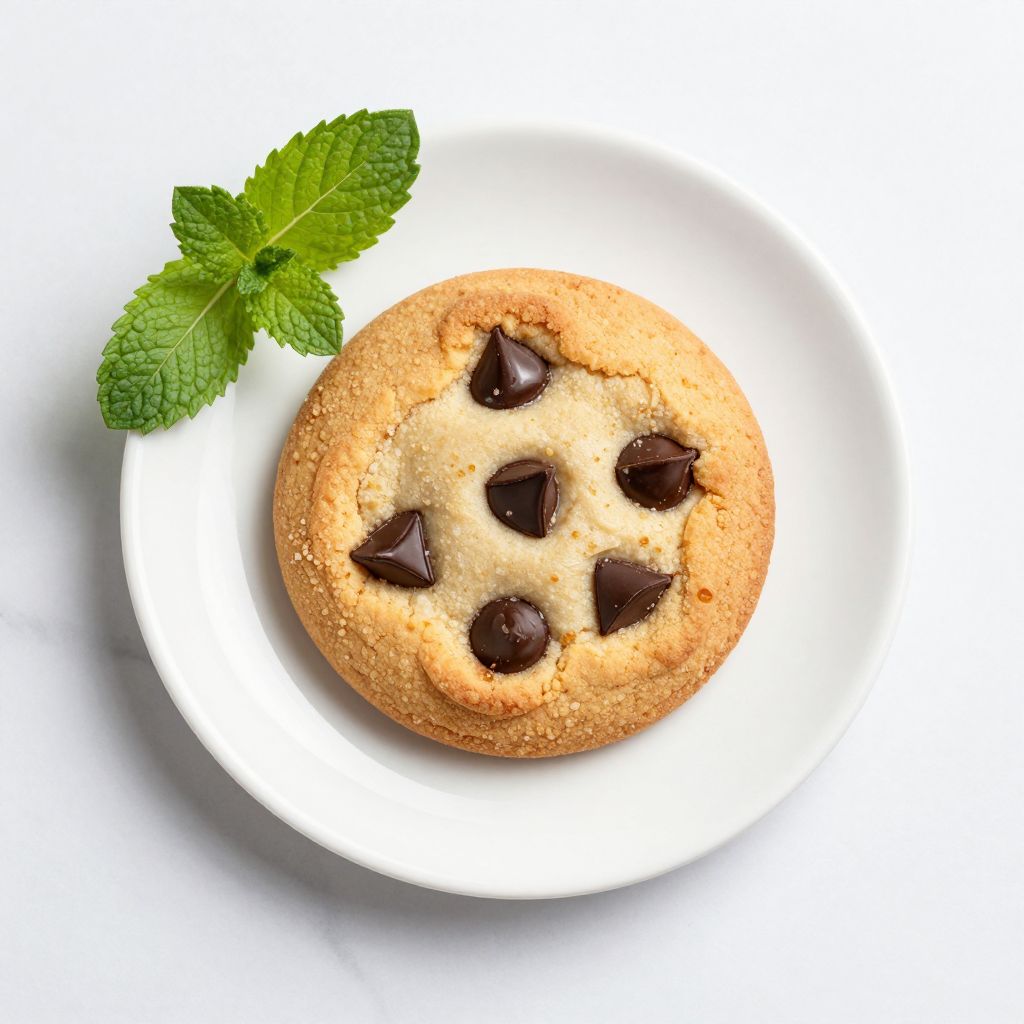
Single Serve Cookie
Ingredients
Equipment
Method
- Add the softened butter, granulated sugar, and brown sugar to your mixing bowl. Stir vigorously with a fork for about one minute until the mixture becomes light and fluffy.
- Pour in the egg yolk and vanilla extract, stirring until fully combined; the mixture should look slightly pale and creamy.
- In a separate small bowl or cup, whisk together the all-purpose flour, baking soda, and salt to ensure even distribution of the baking soda.
- Add the dry ingredients to the wet ingredients and stir gently until just combined, creating a shaggy dough with no visible flour streaks; do not overmix.
- Fold the chocolate chips into the dough using your fork or spoon to distribute them evenly.
- Preheat your oven to 350 degrees Fahrenheit (175 degrees Celsius). Lightly grease a small baking sheet or line it with parchment paper.
- Scoop the entire dough onto the prepared baking sheet and gently flatten it into a disk about a half-inch thick to ensure even baking.
- Bake in the preheated oven for 9 to 11 minutes until the edges are golden brown and the center looks slightly underdone but set.
- Remove from the oven and let the cookie rest on the baking sheet for two minutes before serving to achieve the perfect chewy texture.