Sour cream pound cake is a timeless dessert that delivers rich, tender crumb with a subtle tang that keeps you coming back for another slice. This classic cake pairs sour cream with butter and eggs to create a moist interior and golden exterior that rivals any bakery version.
If you’ve struggled with dry pound cakes in the past, this recipe fixes that problem by building moisture and flavor into every bite. Let me walk you through how to bake this beauty at home.
Why You’ll Love This Recipe
Sour cream pound cake checks all the boxes for a reliable, impressive dessert that works for weeknight dinners or special occasions.
- Ultra-moist crumb that stays tender for days, not dry by day two.
- Simple ingredients you likely have on hand right now.
- Elegant enough for company but easy enough for beginners.
- Pairs beautifully with fresh berries, coffee, or a simple glaze.
- Minimal cleanup and one-bowl mixing method keeps stress low.
My Experience Making This Recipe
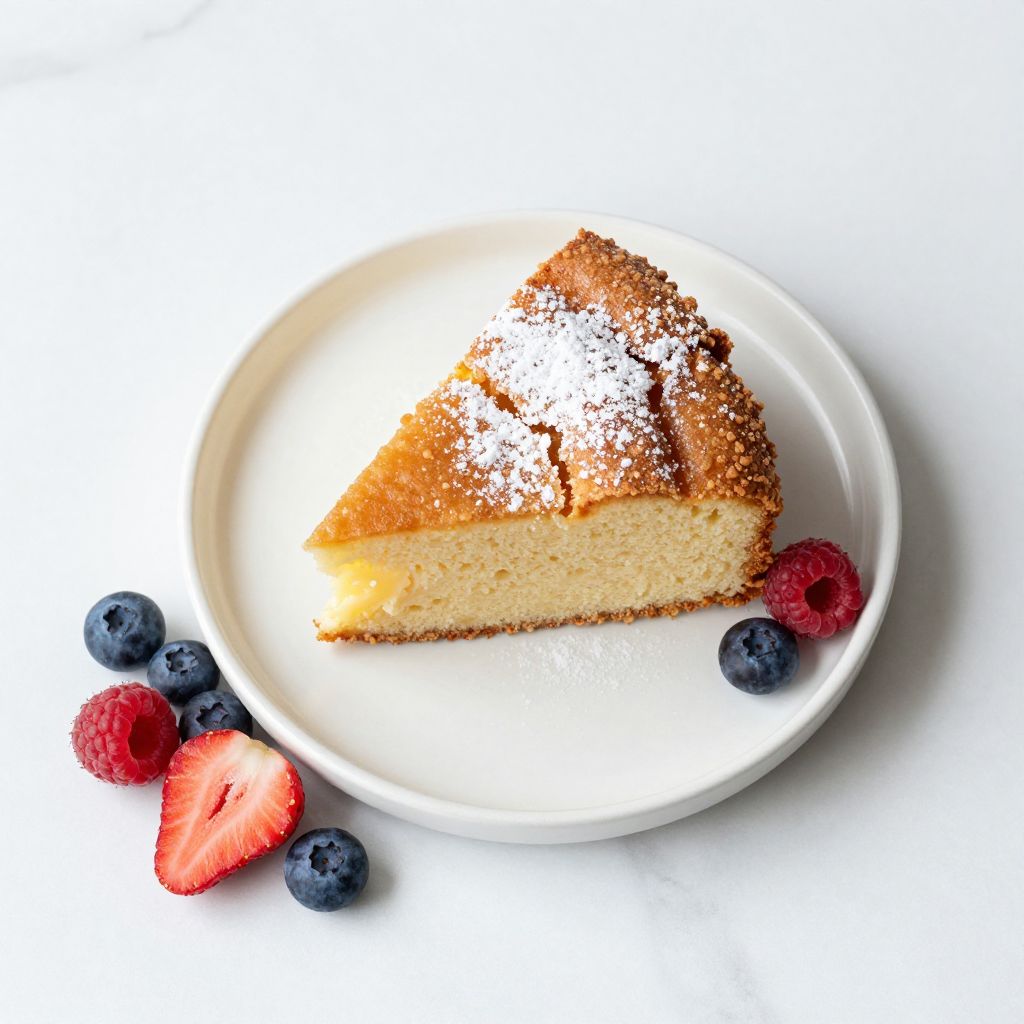
I baked my first sour cream pound cake on a rainy Sunday and the kitchen smelled absolutely incredible within thirty minutes. The cake rose high and golden, with a perfect crack down the center that signals a properly baked pound cake.
When I sliced into it, I found the crumb was so tender it practically melted on my tongue. The sour cream adds a gentle tanginess that cuts through the richness without making the cake taste sour at all.
My family polished off half the cake that afternoon, and I’ve made it at least a dozen times since because it never disappoints. People always ask for the recipe, which tells you everything you need to know about how good this cake tastes.
Recipe Overview
- Recipe Name: Sour Cream Pound Cake
- Servings: 12 slices
- Prep Time: 15 minutes
- Cook Time: 55 to 65 minutes
- Total Time: 70 to 80 minutes
- Course: Dessert
- Cuisine: American
- Calories per Serving: 380
Equipment You Will Need
- 9-inch loaf pan or 10-inch bundt pan
- Parchment paper or cooking spray
- Large mixing bowl
- Electric mixer or whisk
- Measuring cups and spoons
- Wooden spoon for folding
- Toothpick or skewer for testing doneness
- Cooling rack
Ingredients for Sour Cream Pound Cake
- 1 cup (2 sticks) unsalted butter, softened to room temperature
- 2 1/2 cups granulated sugar
- 4 large eggs, room temperature
- 1 cup sour cream, room temperature
- 2 1/4 cups all-purpose flour
- 1 teaspoon baking powder
- 1/2 teaspoon baking soda
- 1/2 teaspoon salt
- 2 teaspoons vanilla extract
- 1/2 teaspoon lemon zest (optional but recommended)
Ingredient Notes and Substitutions
- Sour cream: The tang and acidity activate the baking soda, creating lift and tender crumb. Greek yogurt works in a pinch but will create a slightly less moist cake.
- Butter: Use unsalted so you control the salt level completely. Salted butter can throw off the balance if you’re not careful.
- Eggs: Room temperature eggs blend smoothly and create better emulsion with the butter and sugar. Cold eggs can cause the batter to break and become grainy.
- All-purpose flour: Cake flour creates an even more tender crumb if you can find it. Use the same amount, as cake flour is lighter than all-purpose.
- Vanilla extract: Pure vanilla tastes noticeably better than imitation, though imitation works fine if that’s what you have. Almond extract can replace half the vanilla for a different flavor dimension.
How to Make Sour Cream Pound Cake
Step 1: Prep Your Pan and Oven
Preheat your oven to 325 degrees Fahrenheit and position the rack in the lower third of the oven. Lower heat prevents the top from browning too quickly before the center bakes through, which is crucial for pound cake.
Grease your loaf pan or bundt pan generously with cooking spray or butter, then line the bottom with parchment paper to ensure easy release. This step sounds fussy but saves frustration when you’re removing a delicate cake.
Step 2: Sift Dry Ingredients
In a small bowl, whisk together the flour, baking powder, baking soda, and salt. Whisking aerates the flour and ensures even distribution of the leavening agents so your cake rises uniformly.
Set this mixture aside for now. You will fold it into the wet ingredients in a moment.
Step 3: Cream Butter and Sugar
Add the softened butter and sugar to a large bowl and beat on medium-high speed for 3 to 4 minutes until the mixture is pale, fluffy, and noticeably lighter than when you started. This creaming process incorporates air and creates the light, tender structure pound cake is known for.
Stop the mixer and scrape down the sides of the bowl with a spatula to make sure everything is combining evenly. Scraping prevents pockets of unmixed butter from creating dense spots in your cake.
Step 4: Add Eggs One at a Time
Crack one egg into the butter mixture, beat on medium speed until fully incorporated, then add the next egg. Repeat until all four eggs are added, beating for about 30 seconds between each addition.
This slow integration prevents the batter from breaking and ensures each egg fully emulsifies with the butter and sugar. A broken batter will result in a dense, grainy cake.
Step 5: Add Vanilla and Lemon Zest
Pour in the vanilla extract and add the lemon zest if you’re using it, then beat on medium speed for another 30 seconds to combine. The lemon zest is optional but adds a subtle brightness that balances the richness without making the cake taste lemon-forward.
Step 6: Alternate Sour Cream and Flour
Reduce the mixer to low speed and add one-third of the dry ingredients, mixing just until combined. The batter will look rough and that is fine; you don’t want to overmix at this stage.
Add half of the sour cream and mix on low until barely combined, then add another third of the flour, then the remaining sour cream, then the final third of the flour. This alternating method prevents the batter from becoming tough and ensures even hydration.
Stop the mixer and fold the batter a few times by hand with a rubber spatula to bring everything together without deflating the air you’ve incorporated. A few lumps are better than overworking the batter.
Step 7: Pour and Smooth the Batter
Transfer the batter to your prepared pan and smooth the top with an offset spatula or the back of a spoon. A level surface helps the cake bake evenly across the top.
Tap the pan gently on the counter three or four times to release any large air bubbles that could create tunnels in the finished cake.
Step 8: Bake Until Golden
Place the pan in your preheated 325-degree oven and bake for 55 to 65 minutes, depending on your oven and pan shape. The cake is done when a toothpick inserted into the center comes out clean with just a few moist crumbs clinging to it.
If the top is browning too quickly, loosely tent the pan with aluminum foil for the last 15 minutes. The cake should smell sweet and buttery, with a deep golden color on top.
Step 9: Cool in the Pan
Remove the cake from the oven and let it cool in the pan for 15 minutes. This resting period allows the cake to set slightly while still warm, making it easier to turn out without cracking.
After 15 minutes, run a thin knife around the edges of the pan to loosen the cake, then turn it out onto a wire cooling rack. If you lined the bottom with parchment, peel that away gently.
Step 10: Cool Completely
Let the cake cool completely on the rack, which takes about 2 hours at room temperature. Cutting into a warm cake will cause it to crumble, so patience here pays off with clean slices.
Once fully cooled, you can wrap it tightly in plastic wrap and store it, or dust it with powdered sugar and serve it as is.
Pro Tip: Make sure all your ingredients, especially eggs and sour cream, are at room temperature before you start mixing, because cold ingredients won’t blend smoothly and will create a dense, grainy cake.
Tips for the Best Sour Cream Pound Cake
- Measure flour by weight if you can (about 280 grams per cup), as scooping directly from the bag packs too much flour and makes the cake dry. If you’re using volume measurements, spoon flour into the measuring cup and level it off with a knife.
- Don’t skip the room temperature step for eggs and sour cream; cold ingredients won’t emulsify properly and the batter will separate. Let them sit out for 30 minutes if you forget to plan ahead.
- Use the lower oven rack so the heat source is closer to the bottom of the cake, which helps it bake through before the top burns. Center or top rack placement causes uneven browning.
- Check doneness at 55 minutes rather than waiting the full 65 minutes, since ovens vary and a slightly underbaked cake tastes better than an overbaked one. A toothpick with a few wet crumbs beats a totally clean toothpick.
- Wrap cooled cake tightly in plastic wrap immediately; this traps moisture and keeps the crumb tender for up to five days. Unwrapped cake dries out noticeably by day three.
Common Mistakes to Avoid
- Using cold ingredients from the fridge creates a broken batter that yields a grainy, dense cake with a heavy texture. Always bring butter, eggs, and sour cream to room temperature first.
- Overmixing the batter, especially after adding flour, develops gluten and makes the cake tough instead of tender. Mix on low speed once you add the dry ingredients and stop as soon as you see no white streaks.
- Baking at 350 degrees instead of 325 degrees browns the outside too quickly, leaving the center underbaked and gummy. The lower temperature ensures even, gentle cooking throughout.
- Opening the oven door repeatedly to check on the cake causes temperature fluctuations that disrupt baking. Trust the timer and peek only in the last 10 minutes if needed.
- Slicing the cake while it’s still warm causes it to crumble and fall apart no matter how well you baked it. Always wait until completely cooled to cut clean slices.
Serving Suggestions
Sour cream pound cake is wonderful on its own, but a few simple additions make it feel even more special for guests or family gatherings. Serve thick slices with coffee, tea, or a cold glass of milk for the ultimate comfort experience.
- Dust with powdered sugar and serve with fresh berries like raspberries, strawberries, or blueberries for brightness and tartness.
- Top with a simple glaze made from powdered sugar, lemon juice, and a splash of milk for a classic finish.
- Serve slices with whipped cream and macerated strawberries for an elegant dessert that feels restaurant-quality.
- Pair with vanilla ice cream for a warm-and-cold contrast that’s hard to resist on any occasion.
- Drizzle with salted caramel sauce and sprinkle with fleur de sel for a sweet-salty flavor combination that impresses.
Variations to Try
- Almond Pound Cake: Replace 1/4 cup of flour with almond flour and swap half the vanilla extract for almond extract. The result is a more delicate, slightly nuttier cake that pairs beautifully with stone fruits.
- Cream Cheese Pound Cake: Replace 1/4 cup of the sour cream with cream cheese softened to room temperature and beat it with the butter and sugar. This creates an even richer, tangier crumb that feels more indulgent.
- Poppy Seed Pound Cake: Fold 2 tablespoons of poppy seeds into the batter just before pouring, and add 1/2 teaspoon of orange zest along with the lemon zest. The poppy seeds add subtle texture and the citrus brightens the flavor.
- Eggnog Pound Cake: Replace the sour cream with eggnog and add 1/4 teaspoon of nutmeg plus 1/8 teaspoon of rum extract. This holiday variation feels festive and pairs perfectly with coffee after a big meal.
- Brown Butter Pound Cake: Brown 1 cup of butter over medium heat, let it cool slightly, then use it in place of regular softened butter for a nutty, toasted flavor. This technique elevates an already rich cake to something truly special.
Dietary Adaptations
- Gluten-free: Use a one-to-one gluten-free flour blend and add 1/4 teaspoon of xanthan gum to prevent a gritty texture. The crumb will be slightly less tender but still delicious and moist.
- Dairy-free: Replace butter with a dairy-free butter substitute and use coconut yogurt or a dairy-free sour cream alternative. The result will be slightly less rich but still very flavorful and moist.
- Vegan: Use a plant-based butter, replace each egg with a flax egg (1 tablespoon ground flaxseed plus 3 tablespoons water, mixed and sitting for 5 minutes), and use a vegan sour cream. This version requires more care with mixing but produces surprisingly tender crumb.
- Lower-carb or Keto: Substitute allulose or erythritol for sugar, use almond flour for half the all-purpose flour, and keep the sour cream and butter. The texture will be slightly denser but much lower in carbohydrates.
Storage and Reheating
Refrigerator
Wrap cooled cake tightly in plastic wrap and store it in the refrigerator for up to one week. The cold temperature slows staling and the sour cream helps keep the crumb moist throughout storage.
- Always wrap tightly to prevent the cake from absorbing odors or drying out from air exposure.
- Slice off what you need and rewrap the rest immediately to maintain freshness.
Freezer
Wrap the cooled cake in plastic wrap, then place it in a freezer bag and freeze for up to three months. The moisture in sour cream pound cake actually freezes beautifully without becoming icy or grainy.
- Thaw at room temperature for 2 to 3 hours before unwrapping to prevent condensation from making the outside soggy.
- Frozen cake slices thaw faster and taste just as good as fresh.
Reheating
Warm slices gently in a 300-degree oven for 10 to 15 minutes if you prefer your cake warm, though this recipe tastes wonderful at room temperature too. Never use a microwave, as it dries out the crumb and ruins the tender texture.
- Wrapping the slice in foil while reheating prevents the edges from drying out while the center warms.
- Room temperature cake actually tastes fresher and more flavorful than reheated, so skip this step if you’re not sure.
Nutrition Information
| Nutrient | Amount |
|---|---|
| Calories | 380 |
| Total Fat | 18g |
| Saturated Fat | 11g |
| Carbohydrates | 51g |
| Fiber | 0g |
| Sugar | 38g |
| Protein | 4g |
| Sodium | 240mg |
| Cholesterol | 85mg |
These values are estimates based on USDA data for standard ingredients and a 12-slice serving. Actual nutrition varies slightly depending on your specific brands and how densely you pack ingredients.
Frequently Asked Questions
Can I make this cake without a bundt pan?
Absolutely, a loaf pan or even an 8 or 9-inch round cake pan works perfectly. Bake time may increase by 5 to 10 minutes for a loaf pan since the batter is taller and takes longer to set in the center.
Can I make sour cream pound cake the day before?
Yes, this cake actually improves slightly after a day of storage as the flavors meld and the crumb becomes more uniformly moist. Wrap it tightly in plastic wrap and store it at room temperature or in the refrigerator.
Sour Cream Pound Cake
Ingredients
Equipment
Method
- Preheat your oven to 325 degrees Fahrenheit and position the rack in the lower third of the oven.
- Grease your loaf pan or bundt pan generously with cooking spray or butter, then line the bottom with parchment paper for easy release.
- In a small bowl, whisk together the flour, baking powder, baking soda, and salt until evenly combined. Set aside.
- In a large bowl, beat the softened butter and granulated sugar on medium-high speed for 3 to 4 minutes until pale, fluffy, and lighter in color.
- Scrape down the sides of the bowl to ensure even mixing.
- Add the eggs one at a time, beating on medium speed until fully incorporated after each egg, about 30 seconds between additions.
- Pour in the vanilla extract and add the lemon zest if using, then beat for another 30 seconds to combine.
- Reduce the mixer speed to low. Add one-third of the dry ingredients and mix until just combined.
- Add half of the sour cream and mix on low speed until just combined.
- Add another third of the dry ingredients and mix just until combined.
- Add the remaining sour cream and mix on low until barely combined.
- Add the last third of the dry ingredients and mix until just combined.
- Stop the mixer and fold the batter a few times by hand with a rubber spatula to gently bring everything together without deflating the air.
- Pour the batter into the prepared pan and smooth the top with an offset spatula or the back of a spoon.
- Tap the pan gently on the counter three or four times to release any large air bubbles.
- Bake in the preheated oven at 325 degrees Fahrenheit for 55 to 65 minutes, or until a toothpick inserted into the center comes out clean with a few moist crumbs.
- If the top browns too quickly, tent the pan loosely with aluminum foil for the last 15 minutes of baking.
- Remove the cake from the oven and let it cool in the pan for 15 minutes.
- Run a thin knife around the edges of the pan to loosen the cake, then turn it out onto a wire cooling rack.
- Peel away the parchment paper from the bottom if used, and let the cake cool completely on the rack, about 2 hours at room temperature.