Muscadine wine is a Southern classic that transforms the sweet, musky flavor of native muscadine grapes into a smooth, fruit-forward wine you can make right at home. If you’ve ever bitten into a muscadine grape and thought “this deserves to be a drink,” you’re in the right place. This recipe walks you through the entire winemaking process, from crushing grapes to bottling your first batch.
Making wine at home sounds intimidating, but muscadine wine is forgiving and rewarding for beginners. You’ll need basic equipment, time, and patience—but the payoff is a wine that tastes like late summer in a glass.
Why You’ll Love This Recipe
Homemade muscadine wine captures the essence of Southern tradition without requiring a winemaking degree. This recipe produces a naturally sweet wine with body and character that store-bought versions often lack.
- Produces a beautifully colored, naturally sweet wine in about 3 to 4 months
- Works with fresh or frozen muscadine grapes for flexibility
- Creates a sustainable hobby that yields multiple bottles from one batch
- Teaches you fundamental winemaking skills you can apply to other fruits
- Delivers a finished product with complex flavor and impressive aroma
My Experience Making This Recipe
The first time I made muscadine wine, I was skeptical that grapes, yeast, and time could transform into something genuinely tasty. After three months of watching the fermentation bubble away in my kitchen, I bottled the first batch and tasted something that shocked me with its smoothness and depth.
My friends have asked me for bottles more than once, which tells you everything you need to know about how this wine turns out. The sensory experience of crushing grapes, smelling the fermentation in progress, and finally uncorking your own creation makes this recipe worth the patience it demands.
The best part? Every batch teaches you something new about fermentation, timing, and your own taste preferences.
Recipe Overview
- Recipe Name: Muscadine Wine
- Servings: 25 servings (one 750ml bottle yields about 5 servings)
- Prep Time: 1 hour
- Cook Time: 12 weeks fermentation
- Total Time: 12 weeks plus 1 hour
- Course: Beverage
- Cuisine: Southern American
- Alcohol Content: 10-12% ABV
Equipment You Will Need
- One 5-gallon glass carboy or food-grade plastic bucket with lid
- One 1-gallon glass jug for secondary fermentation
- Airlock and rubber stopper to fit your carboy
- Sanitizer (Star San or similar)
- Large pot or colander for crushing grapes
- Siphon tubing and racking cane
- Hydrometer for measuring sugar content
- Wine bottles and corks or bottle caps
- Bottle brush and cloth for cleaning
- Thermometer
- Cheesecloth or fine strainer
- Wooden spoon or paddle
Ingredients for Muscadine Wine
- Fresh muscadine grapes: 12 to 15 pounds (or 10 pounds frozen)
- Water: 1 gallon (filtered, at room temperature)
- Granulated sugar: 2 to 3 pounds (depending on grape ripeness)
- Wine yeast: 1 packet (Lalvin EC-1118 or Red Star Premier Cuvee)
- Yeast nutrient: 1 teaspoon
- Acid blend or fresh lemon juice: 1 to 2 tablespoons
- Tannin powder: 1/4 teaspoon (optional, adds complexity)
Ingredient Notes and Substitutions
- Muscadine grapes: These native grapes produce wine with distinctive musky sweetness. Frozen grapes work equally well and are easier to find out of season; thaw them completely before using.
- Wine yeast: Dedicated wine yeast outperforms regular baker’s yeast for fermentation control and flavor development. If unavailable, bread yeast works but produces less predictable results and may leave off-flavors.
- Water: Filtered or bottled water prevents chlorine and minerals from interfering with fermentation. Tap water works if filtered, but distilled water can strip minerals your yeast needs.
- Sugar: Granulated white sugar ferments predictably and cleanly. Honey or brown sugar changes flavor complexity but requires adjusting quantities since they ferment differently.
- Acid blend: This balances the wine’s pH and prevents spoilage. Fresh lemon juice (about 1 tablespoon per gallon) substitutes well but may add slight citrus notes.
How to Make Muscadine Wine
Step 1: Sanitize All Equipment
Before you start, sanitize your carboy, airlock, stopper, and any tools that will touch your wine. Bacteria and wild yeast are invisible enemies that ruin batches, so this step matters more than you might think.
Mix your sanitizer according to package directions, soak all equipment for at least 30 minutes, then rinse thoroughly with clean water. Let everything air dry completely on a clean cloth before use.
Step 2: Prepare Your Grapes
If using fresh grapes, rinse them and remove any stems or leaves. If using frozen grapes, thaw them completely at room temperature—this takes 6 to 8 hours and allows the skin to soften naturally.
You don’t need to remove the skins, as they contain the color and tannins that give muscadine wine its character. Keep the skins in contact with the juice throughout fermentation.
Step 3: Crush the Grapes
Place your grapes in a large pot or colander and crush them thoroughly with a wooden paddle or your hands (clean hands work fine). You want to break the skins and release the juice without smashing the seeds excessively.
Crushed grapes increase juice extraction and allow the yeast better access to the sugars it needs. The pulp and skins will float to the top during fermentation, which is normal and expected.
Step 4: Add Sugar and Acid
Measure your crushed grapes and juice into your sanitized carboy. Add 2 to 3 pounds of sugar depending on how sweet your grapes taste (ripe grapes need less; underripe grapes need more).
Add 1 to 2 tablespoons of acid blend or fresh lemon juice and stir well. The acid lowers pH, which prevents unwanted bacteria from thriving and helps yeast ferment cleanly.
Step 5: Hydrate Your Yeast
Pour one packet of wine yeast into a clean cup and add 1/4 cup of lukewarm water (around 70 to 80 degrees Fahrenheit). Let it sit for 15 minutes to rehydrate, then stir gently.
Hydrating yeast before pitching ensures more cells activate and fermentation begins faster and stronger. A vigorous fermentation is your defense against spoilage.
Step 6: Pitch the Yeast and Add Nutrients
Add the rehydrated yeast to your carboy along with 1 teaspoon of yeast nutrient (if using tannin powder, add it here too). Stir gently but thoroughly to distribute yeast throughout the must.
Yeast nutrient supplies nitrogen and minerals that yeast needs to reproduce and ferment efficiently. Without it, fermentation may stall or produce off-flavors.
Step 7: Ferment in Primary Stage
Cover your carboy loosely with a clean cloth or fit it with an airlock and stopper. Place it in a cool, dark spot between 60 and 75 degrees Fahrenheit where it won’t be disturbed.
Within 24 to 48 hours, you’ll see vigorous bubbling as yeast wakes up and begins consuming sugar. Let this primary fermentation run for 7 to 10 days, during which the pulp and skins will rise to the top.
Step 8: Rack to Secondary Fermentation
After 7 to 10 days, use a siphon and racking cane to transfer the clear wine from below the pulp into your sanitized 1-gallon glass jug. Leave the sediment and pulp behind in the original carboy.
This racking step removes dead yeast and grape solids that can create unpleasant flavors if left in contact with the wine. The wine will look cloudier now, but that clarity will return over time.
Step 9: Install Airlock and Continue Fermentation
Fit your secondary fermentation jug with an airlock and stopper. Return it to your cool, dark spot and let fermentation continue for 6 to 8 more weeks until bubbling slows dramatically or stops.
Secondary fermentation is slower and quieter than primary, but it’s where your wine develops smoothness and complexity. Patience here produces noticeably better results than rushing to bottle.
Step 10: Rack Again and Test Gravity
Once fermentation appears to have stopped (less than one bubble every 10 seconds), use your hydrometer to measure the specific gravity. If it reads 0.990 or lower, fermentation is complete.
Rack your wine into another sanitized jug, again leaving sediment behind. This second racking clarifies the wine further and removes more dead yeast cells.
Step 11: Bulk Age Before Bottling
Leave your wine in the secondary container for another 2 to 4 weeks with the airlock in place. This aging period allows remaining particles to settle and the wine to clarify naturally.
You can taste a small sample to assess flavor at this point. The wine should taste noticeably smoother than immediately after fermentation stops.
Step 12: Bottle Your Wine
Sanitize your wine bottles, corks, and corker. Siphon your finished wine into bottles, leaving about 1 inch of headspace below the cork.
Insert corks using your corker and store bottles upright in a cool, dark place for at least 2 weeks before opening. This bottle rest lets any small bubbles settle and allows flavors to marry.
Pro Tip: Keep your fermentation temperature stable between 60 and 75 degrees Fahrenheit; temperature swings stress yeast and can produce off-flavors or stuck fermentation.
Tips for the Best Muscadine Wine
- Use a hydrometer to track fermentation progress; don’t rely on guessing when fermentation is complete. A finished wine reads 0.990 or lower on the scale.
- Keep your equipment scrupulously clean and sanitized at every stage. One contaminating bacterium can multiply and spoil an entire batch.
- Taste your wine at different stages to learn how it develops. Secondary fermentation wine tastes rough; aged wine tastes smooth.
- Label your bottles with the date and alcohol percentage once fermented. Six months to a year from now, you’ll be grateful you recorded this information.
- Store finished wine on its side in a cool, dark place (ideally 50 to 65 degrees). Horizontal storage keeps corks moist, and darkness prevents light from breaking down wine components.
- Avoid racking more than necessary; each transfer introduces oxygen and disturbs sediment. Stick to the three rackings outlined above.
Common Mistakes to Avoid
- Skipping sanitization: This is the number one mistake. Unwanted bacteria or wild yeast produces vinegar, cloudiness, or off-flavors that ruin your entire batch.
- Bottling before fermentation finishes: Residual sugar in the wine creates pressure in the bottle, which can cause corks to pop or bottles to explode. Always confirm fermentation is complete with a hydrometer.
- Fermenting in warm conditions: Temperatures above 75 degrees cause yeast to produce unpleasant fusel alcohols. This makes your wine taste hot or harsh instead of smooth.
- Using the wrong yeast: Bread yeast or baker’s yeast produces off-flavors and lower alcohol yields. Wine yeast is specifically selected to produce clean, dry fermentation.
- Not using enough acid: Muscadine juice is naturally low in acid, which allows bacteria to thrive. Skipping acid blend invites contamination and unpleasant flavors.
Serving Suggestions
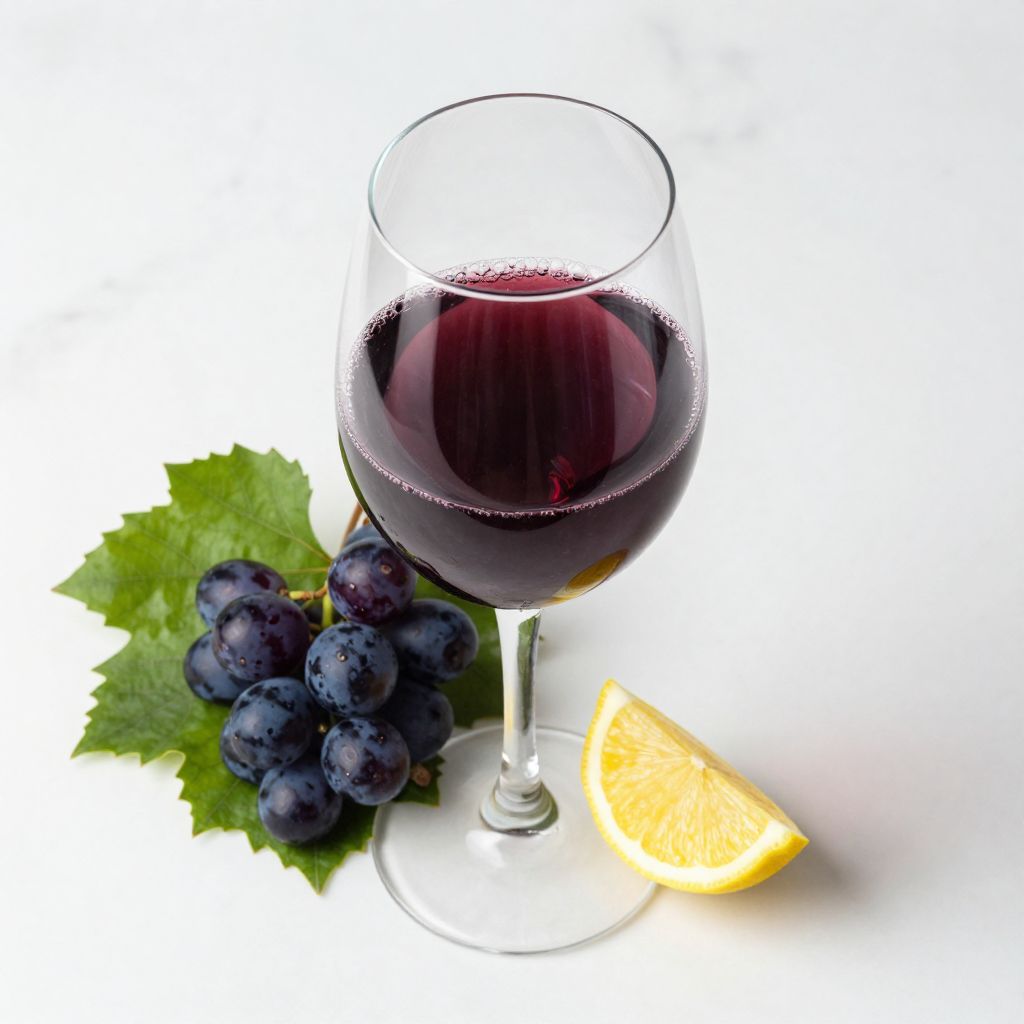
Muscadine wine shines best served chilled, at around 45 to 50 degrees Fahrenheit. Pour it into a wine glass and let the aroma hit you before the first sip.
- Serve alongside Southern comfort food like fried chicken, biscuits, and collard greens
- Pair with fruit-forward desserts like peach cobbler or blackberry pie
- Enjoy on its own as an aperitif before dinner
- Mix with sparkling water for a light, refreshing spritzer on warm afternoons
- Offer as an after-dinner wine, especially with cheese and nuts
Variations to Try
- Dry Muscadine Wine: Add less initial sugar (only 1.5 to 2 pounds) to produce a drier wine with less residual sweetness. The result tastes more like a traditional table wine and pairs better with savory foods.
- Fortified Muscadine Wine: After fermentation completes, add brandy or neutral spirits to raise alcohol content to 18 to 20% ABV. This creates a dessert wine with longer shelf life.
- Spiced Muscadine Wine: Add one cinnamon stick, three whole cloves, and two star anise to secondary fermentation. Remove them after 2 weeks; the spices add warmth without overwhelming the fruit.
- Blended Muscadine and Scuppernong: Mix muscadine juice with scuppernong juice (a lighter muscadine variety) for a more delicate flavor and lighter color.
- Oak-Aged Muscadine Wine: Add oak cubes to secondary fermentation for 4 to 6 weeks to introduce vanilla and toasted notes. Use light toast oak so it doesn’t overpower the fruit.
Dietary Adaptations
- Vegan/Vegetarian: This recipe is already vegan if you use plant-based yeast; most wine yeasts are. Confirm your yeast packet doesn’t use animal-derived nutrients.
- Gluten-Free: This recipe is naturally gluten-free. Wine fermentation produces no gluten, and muscadine grapes contain none.
- Low-Sugar Option: Use only 1.5 pounds of initial sugar and choose a wine yeast rated for low-sugar fermentation. The result will be drier with less residual sweetness.
- Sulfite-Free: This recipe uses no added sulfites. If you want to add them as a preservative, use 1/4 teaspoon potassium metabisulfite at bottling to extend shelf life.
Storage and Reheating
Refrigerator
Store opened bottles of muscadine wine in the refrigerator with the cork or cap replaced. The cool temperature slows oxidation.
- Opened wine keeps for 2 to 4 weeks in the refrigerator
- Re-cork tightly to minimize air contact
- Serve chilled directly from the fridge
Freezer
You can freeze muscadine wine if you don’t plan to drink it soon, though the texture may change slightly upon thawing. Use freezer-safe bottles and leave headspace for expansion.
- Frozen wine keeps for up to one year
- Thaw in the refrigerator, not at room temperature
- Use thawed wine in cooking rather than serving fresh if possible
Reheating
Wine is never reheated for drinking. However, you can use it in cooking by gently warming it on the stovetop or in the microwave for cooking applications.
- Heat only to the temperature needed for your recipe (usually below boiling)
- Use residual wine in sauces, reductions, and glazes
- Never boil wine when cooking; extended high heat destroys delicate flavors
Nutrition Information
| Nutrient | Amount |
|---|---|
| Calories | 120 |
| Total Fat | 0g |
| Saturated Fat | 0g |
| Carbohydrates | 8g |
| Fiber | 0g |
| Sugar | 6g |
| Protein | 0g |
| Sodium | 5mg |
| Cholesterol | 0mg |
These values represent a standard 5-ounce serving of finished muscadine wine with approximately 11% ABV. Values vary based on your exact sugar content and final gravity measurements.
Frequently Asked Questions
Can I use red or white grapes instead of muscadines?
Red and white
Muscadine Wine
Ingredients
Equipment
Method
- Sanitize all equipment including the carboy, airlock, stopper, and tools by soaking in sanitizer for at least 30 minutes, then rinse and let air dry.
- If using fresh grapes, rinse and remove stems or leaves. If using frozen grapes, thaw completely at room temperature for 6 to 8 hours.
- Crush the grapes in a large pot or colander thoroughly with a wooden paddle or clean hands, breaking skins without excessive seed damage.
- Transfer crushed grapes and juice into sanitized carboy. Add 2 to 3 pounds granulated sugar and 1 to 2 tablespoons acid blend or fresh lemon juice and stir well.
- Hydrate the yeast by mixing one packet with 1/4 cup lukewarm water (70 to 80°F) and let sit for 15 minutes. Then stir gently.
- Add the hydrated yeast to the carboy along with 1 teaspoon yeast nutrient and 1/4 teaspoon tannin powder if using. Stir gently to combine.
- Cover carboy loosely with a clean cloth or fit with airlock and stopper. Place in a cool, dark area at 60 to 75°F to ferment for 7 to 10 days until bubbling slows.
- After primary fermentation, rack the clear wine from below the pulp into sanitized 1-gallon glass jug using siphon and racking cane, leaving sediment behind.
- Fit the secondary jug with airlock and stopper. Continue fermentation in the same temperature range for an additional 6 to 8 weeks until bubbling nearly stops.
- Once fermentation nearly stops, measure specific gravity with a hydrometer. If it reads 0.990 or lower, rack wine again into another sanitized container to clarify.
- Bulk age the wine for another 2 to 4 weeks in the secondary container with airlock to allow further settling and flavor smoothing.
- Sanitize wine bottles, corks, and corker. Siphon finished wine into bottles leaving 1 inch headspace. Insert corks and store upright in a cool, dark place at least 2 weeks before opening.