Sugo recipe is an Italian tomato-based pasta sauce that transforms simple ingredients into something absolutely magical on your plate. This sugo comes together with just tomatoes, garlic, and olive oil, yet delivers layers of flavor that taste like you spent hours in the kitchen.
Whether you’re cooking weeknight pasta or impressing guests at dinner, this authentic sauce works for any occasion. Let me walk you through everything you need to make sugo that rivals what you’d find in a Roman trattoria.
Why You’ll Love This Recipe
This sauce hits all the marks for home cooks who want real flavor without complexity.
- Made with just 5 basic ingredients you probably have on hand right now
- Ready in 30 minutes or less, making it perfect for busy weeknights
- Freezes beautifully, so you can batch-cook and enjoy sugo for weeks
- Naturally adaptable to whatever pasta shape you’re in the mood for
- Tastes even better the next day as flavors meld together overnight
My Experience Making This Recipe
I first learned to make sugo from my neighbor Maria, who grew up outside Naples eating her grandmother’s version at every family meal. She laughed when she saw me measuring ingredients with precision, reminding me that sugo is about feel, not formulas.
That lesson stuck with me hard. The first time I made it her way, tasting as I went instead of following exact timings, the difference was stunning. The sauce tasted alive, with bright tomato flavor that popped against buttery pasta.
My family now requests this sauce by name, and I’ve made it at least twice a month for the past three years. Every time I stir that pot and watch the tomatoes break down into silky richness, I think about Maria’s kitchen and how something so simple can taste so incredibly good.
Recipe Overview
- Recipe Name: Sugo (Italian Tomato Pasta Sauce)
- Servings: 4
- Prep Time: 10 minutes
- Cook Time: 20 minutes
- Total Time: 30 minutes
- Course: Main Course (Pasta Sauce)
- Cuisine: Italian
- Calories per Serving: 145
Equipment You Will Need
- Large heavy-bottomed saucepan or Dutch oven
- Wooden spoon for stirring
- Cutting board
- Sharp chef’s knife
- Can opener (if using canned tomatoes)
- Measuring spoons
- Garlic mincer or microplane (optional but helpful)
Ingredients for Sugo Recipe
- 28 ounces canned San Marzano tomatoes (about 2 cans of 14 ounces each, crushed by hand or left whole)
- 5 cloves fresh garlic, minced or sliced thin
- 1/4 cup extra-virgin olive oil
- 1 teaspoon kosher salt, plus more to taste
- 1/2 teaspoon freshly cracked black pepper
- 6 to 8 fresh basil leaves (optional, added at the end)
Ingredient Notes and Substitutions
- San Marzano tomatoes: These Italian tomatoes are sweeter and less acidic than standard varieties, which is why they create such silky sauce. You can swap in high-quality crushed tomatoes or use fresh tomatoes when they’re in season, though fresh ones need to simmer longer (about 35 minutes instead of 20).
- Extra-virgin olive oil: This carries most of the flavor in sugo, so don’t skimp here. Regular olive oil or vegetable oil works in a pinch, but the sauce will taste flatter and less rich.
- Fresh garlic: Pre-minced garlic from a jar loses its punch over time and tastes stale. Fresh garlic gives you bright, sharp notes that make the sauce sing. If you only have powder, use 1/4 teaspoon per clove as a last resort.
- Fresh basil: Dried basil can burn and tastes musty, so fresh is really worth seeking out. If you only have dried, crumble just 1 teaspoon into the sauce during cooking instead of adding it fresh at the end.
How to Make Sugo Recipe
Step 1: Prepare Your Garlic
Mince or slice your garlic cloves as thin as you can manage. Thin garlic infuses faster into the oil and distributes more evenly throughout the sauce than chunky pieces.
Step 2: Heat the Olive Oil
Pour your extra-virgin olive oil into a large saucepan and set it over medium heat. You want the oil hot enough to shimmer but not so hot it smokes, which takes about 2 to 3 minutes.
Step 3: Toast the Garlic
Add your minced garlic to the hot oil and stir constantly for about 1 minute, until it turns golden and fragrant. This quick cooking mellows the garlic’s sharp bite and infuses the oil with its flavor, creating the base that makes sugo taste incredible.
Step 4: Add the Tomatoes
Pour your canned tomatoes with their juices directly into the pan with the garlic oil. If your tomatoes came whole, crush them by hand in the pan or break them apart with your wooden spoon to release their juices.
Step 5: Season Your Sauce
Sprinkle in your salt and black pepper, then stir everything together so the seasonings distribute evenly. Taste a tiny spoonful (careful, it’s hot!) and adjust salt and pepper to your preference, remembering that the flavors will concentrate as the sauce simmers.
Step 6: Bring to a Simmer
Let the sauce come to a gentle simmer over medium heat. You should see tiny bubbles breaking the surface slowly, not a rolling boil, which would cause the sauce to reduce too fast and lose its fresh tomato brightness.
Step 7: Simmer and Stir Occasionally
Let the sauce bubble gently for about 15 to 20 minutes, stirring every few minutes. As it simmers, the tomatoes break down into silky strands, the oil emulsifies, and the flavors meld into something deeply satisfying. You’ll notice the sauce thickens slightly and turns a richer red color.
Step 8: Finish with Fresh Basil
Remove the sauce from heat and tear 6 to 8 fresh basil leaves by hand (tearing instead of cutting prevents bruising) and stir them in gently. The heat of the sauce will release their aroma without cooking away their fresh flavor.
Pro Tip: Never cook fresh basil for more than 30 seconds, or it turns black and tastes bitter. Add it just before serving or in the last moment off the heat.
Tips for the Best Sugo Recipe
- Use a heavy-bottomed pan to distribute heat evenly and prevent the bottom from scorching while you’re simmering the sauce.
- Don’t rush the garlic toasting. That golden, fragrant minute is when your whole sauce gets its soul.
- Stir your sauce every couple of minutes while it simmers to keep the bottom from sticking and ensure even cooking.
- Taste and adjust seasoning near the end of cooking, not at the beginning. Salt and spices become stronger as liquid reduces.
- Save 1 cup of starchy pasta water before you drain your noodles. Toss this into your finished sauce with cooked pasta to create a silky coating that clings to every strand.
- Let your cooked pasta finish cooking in the sauce for the last minute, combining them in the pan rather than tossing cold pasta with warm sauce.
Common Mistakes to Avoid
- Cooking the garlic too long or on too high heat. Burnt garlic tastes acrid and bitter, overpowering the whole sauce and ruining your sugo before it even starts.
- Using low-quality or rancid olive oil. Since oil is one of only five ingredients, bad oil makes bad sauce. Taste your oil before you use it.
- Boiling the sauce aggressively instead of simmering gently. A rolling boil causes excess evaporation, concentrating flavors unevenly and making the sauce taste one-dimensional and acidic.
- Adding too many tomatoes or tomato paste. Sugo works because of balance, and extra tomato makes it thick and muddy instead of silky and bright.
- Skipping the pasta water. That starchy water is what transforms separate sauce and pasta into one cohesive dish with great texture.
Serving Suggestions
Sugo pairs beautifully with almost any pasta shape you have in your pantry. The key is matching sauce thickness to pasta shape.
- Toss with long, thin pasta like spaghetti or linguine for a light, elegant plate
- Spoon over chunky pasta shapes like penne or rigatoni to let pockets of sauce collect in each tube
- Serve over creamy mashed potatoes or polenta for a hearty vegetarian main
- Use as a dipping sauce for crusty bread alongside a simple green salad
- Top grilled chicken or white fish with a spoonful for an easy, elegant protein dish
Variations to Try
- Sugo with Cream: Stir in 1/4 cup heavy cream at the very end for a pink sugo that tastes richer and slightly sweeter. This makes the sauce feel more luxurious without changing the basic character.
- Spicy Sugo: Add 1/4 to 1/2 teaspoon red pepper flakes to the garlic oil before adding tomatoes for heat that builds as you eat and pairs beautifully with seafood pasta.
- Sugo with Anchovies: Mince one or two anchovy fillets and cook them with the garlic, which adds umami depth without making the sauce taste fishy. This is how Romans often make their version.
- Sugo with White Wine: Add 1/4 cup dry white wine after toasting the garlic, let it simmer for 1 minute to cook off the alcohol, then add tomatoes. The wine adds complexity and slight acidity.
- Sugo with Roasted Red Peppers: Puree 1/2 cup jarred roasted red peppers and add them with the tomatoes for a sweeter, slightly smoky sauce that feels special without extra work.
Dietary Adaptations
- Gluten-Free: Sugo is naturally gluten-free, but use gluten-free pasta (rice-based, chickpea, or lentil varieties work wonderfully) to make the whole dish safe for gluten-sensitive eaters.
- Dairy-Free: This recipe contains no dairy, so it’s already vegan and dairy-free as written. Top with nutritional yeast or dairy-free parmesan if you want that savory finishing touch.
- Low-Carb/Keto: Serve sugo over spiralized vegetables like zucchini noodles or spaghetti squash instead of pasta, and the sauce remains completely keto-friendly without any changes.
Storage and Reheating
Refrigerator
Store cooled sugo in an airtight container for up to 5 days. The flavors actually improve as they meld overnight, making day-two sauce tastier than day-one.
- Pour into glass containers with tight lids to prevent odor absorption
- Leave 1/2 inch of headspace since sauce may expand slightly
- Label with the date so you know when you made it
Freezer
Frozen sugo keeps for up to 3 months and tastes almost as fresh as the day you made it. Freeze in ice cube trays for perfect single-serving portions.
- Cool the sauce completely before freezing to prevent condensation inside containers
- Use freezer-safe containers or heavy-duty freezer bags with the air pressed out
- Leave 1/2 inch of headspace since sauce expands when frozen
Reheating
Gently reheat frozen or refrigerated sugo over medium-low heat, stirring occasionally and adding a splash of water if it seems too thick. Never blast it with high heat, which can cause the bottom to scorch.
- Thaw overnight in the refrigerator for best texture, or reheat straight from frozen over low heat
- Add pasta water or a splash of fresh water if the sauce thickens too much during storage
- Stir in fresh basil again after reheating to revive its brightness
Nutrition Information
| Nutrient | Amount |
|---|---|
| Calories | 145 |
| Total Fat | 14g |
| Saturated Fat | 2g |
| Carbohydrates | 5g |
| Fiber | 1g |
| Sugar | 3g |
| Protein | 2g |
| Sodium | 480mg |
| Cholesterol | 0mg |
These values are approximate and calculated for the sauce alone, not including pasta or additional toppings. Nutritional content varies slightly depending on specific tomato brands and whether you add optional basil or other variations.
Frequently Asked Questions
Can I make sugo with fresh tomatoes instead of canned?
Absolutely, and fresh tomatoes make incredible sauce during peak season. Use about 2 pounds of ripe tomatoes, roughly chopped, and simmer for 35 to 40 minutes instead of 20 to let them break down completely. Fresh tomatoes have more water and take longer to concentrate into sauce, but the flavor reward is worth it.
How do I know when my sugo is done cooking?
The sauce should reduce slightly and coat the back of a spoon, leaving a clear trail when you drag your finger across it. The color should shift from bright red to deeper, richer red, and the oil should start to separate slightly on the surface, which means it’s emulsified with the tomatoes.
Can I make this recipe ahead for a dinner party?
Yes, this is one of the best parts of sugo. Make it up to 2 days ahead and refrigerate, then gently reheat just before serving. The flavor deepens beautifully as it sits, making it taste like you slaved all day.
Why does my sugo taste acidic or sour?
Sugo can taste acidic if you boil it too aggressively, causing the acidity to concentrate. Simmer gently and let salt balance the acidity, since salt suppresses the perception of sour flavors. If it’s still too sharp, add a tiny pinch of sugar (just 1/4 teaspoon) to round out the flavor.
What’s the difference between sugo and marinara sauce?
Sugo uses fewer ingredients and focuses on simplicity, with tomatoes, garlic, and olive oil as the main players. Marinara often includes onions and more herbs, creating a slightly more complex flavor. Sugo is the more minimal Roman approach, while marinara tends toward Neapolitan traditions.
Do I have to use San Marzano tomatoes?
San Marzano tomatoes make the best sugo because they’re sweeter and less watery, but you can use other high-quality canned tomatoes if San Marzano isn’t available or breaks your budget. Avoid those labeled “tomato sauce” or “tomato puree” because they’re pre-cooked and lose brightness.
Final Thoughts
Sugo taught me that the best cooking often comes from simplicity, not complexity. When you start with incredible ingredients and respect their natural flavors instead of burying them under a dozen additions, magic happens on the plate.
Make this sauce this week, taste how bright and silky it turns out, and you’ll understand why Italian cooks have made the exact same version for generations. Your kitchen is about to smell absolutely amazing.
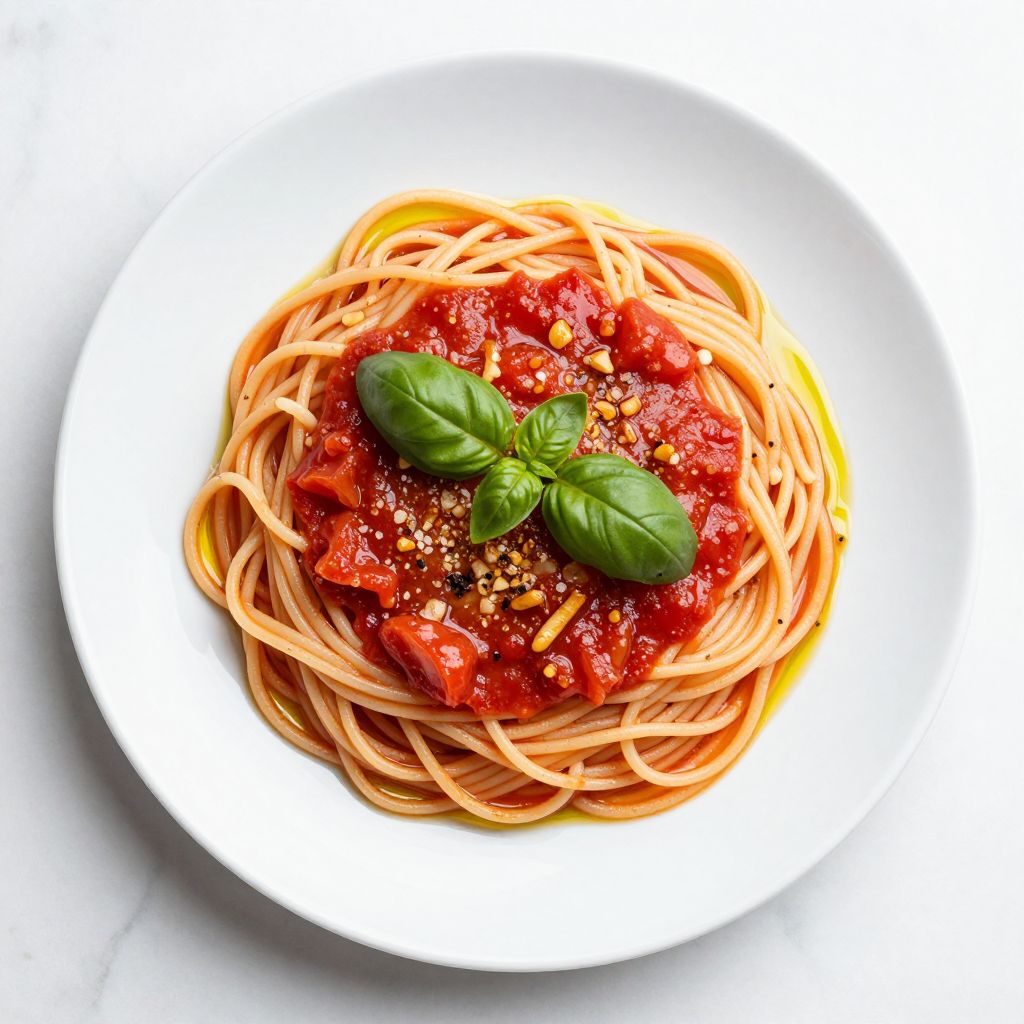
Sugo (Italian Tomato Pasta Sauce)
Ingredients
Equipment
Method
- Mince or slice your 5 garlic cloves as thin as possible for better infusion.
- Pour 1/4 cup extra-virgin olive oil into a large saucepan and heat over medium heat until the oil shimmers, about 2 to 3 minutes. Do not let it smoke.
- Add the minced garlic to the hot oil and stir constantly for about 1 minute, until golden and fragrant.
- Pour in 28 ounces of canned San Marzano tomatoes with their juices into the pan. If whole, crush them by hand or break apart with a wooden spoon.
- Sprinkle in 1 teaspoon kosher salt and 1/2 teaspoon freshly cracked black pepper. Stir well to combine.
- Bring the sauce to a gentle simmer over medium heat, ensuring small bubbles break the surface slowly without boiling.
- Simmer the sauce gently for 15 to 20 minutes, stirring every few minutes until tomatoes break down into a silky sauce and it thickens slightly.
- Remove the sauce from heat and tear 6 to 8 fresh basil leaves by hand, then stir them into the sauce gently. Serve immediately.