Snickerdoodle Recipe No Cream of Tartar delivers all the cinnamon-sugar magic of the classic cookie without hunting down cream of tartar at the grocery store. If you’ve ever skipped making snickerdoodles because you don’t have that one ingredient sitting in your pantry, this recipe changes everything. We’ll show you exactly how to swap it out and bake cookies that taste just as good as the original.
These soft, chewy cookies hit that perfect balance between tender crumb and crispy edges, with a generous cinnamon-sugar coating that makes each bite memorable. Let’s get into how to make them.
Why You’ll Love This Recipe
This version skips the specialty ingredient hunt and uses pantry staples you already have on hand. You still get that signature tangy flavor and perfect texture snickerdoodles are famous for.
- No cream of tartar required, just simple substitutions you probably own.
- Soft, chewy centers with crispy, cinnamon-sugar edges.
- Ready to bake in under 15 minutes of prep work.
- Perfect for holiday baking, potlucks, or lazy afternoon treats.
- Naturally crowd-pleasing, even with picky eaters.
My Experience Making This Recipe
I discovered this no-cream-of-tartar hack out of pure frustration one December morning when I had a baking craving and zero cream of tartar. After testing three different substitution methods, I landed on baking soda plus lemon juice, which gives you that slight tang the original recipe needs.
The first batch came out of the oven looking a little uncertain, but one bite and I was sold. My kids devoured half the batch before they cooled completely, and my neighbor asked for the recipe within minutes of stepping into the kitchen.
What surprised me most was how forgiving the dough is once you understand what cream of tartar actually does. Once you nail that swap, you’ll never stress about missing ingredients again.
Recipe Overview
- Recipe Name: Snickerdoodle Recipe No Cream of Tartar
- Servings: 24 cookies
- Prep Time: 15 minutes
- Cook Time: 12 minutes
- Total Time: 27 minutes
- Course: Dessert
- Cuisine: American
- Calories per Serving: 148
Equipment You Will Need
- Large mixing bowl
- Electric mixer or whisk
- Medium mixing bowl
- Measuring cups and spoons
- Baking sheets
- Parchment paper
- Cookie scoop (optional, but helpful)
- Shallow dish for cinnamon-sugar coating
- Oven thermometer (recommended for accuracy)
Ingredients for Snickerdoodle Recipe No Cream of Tartar
- 2 3/4 cups all-purpose flour
- 1 teaspoon baking soda
- 1/2 teaspoon salt
- 1 cup butter, softened to room temperature
- 1 1/2 cups granulated sugar
- 1 large egg
- 1 teaspoon vanilla extract
- 1/2 teaspoon fresh lemon juice (replaces cream of tartar)
For the Cinnamon-Sugar Coating
- 3 tablespoons granulated sugar
- 1 tablespoon ground cinnamon
Ingredient Notes and Substitutions
- Baking soda and lemon juice combo: Cream of tartar works as an acidifying agent that reacts with baking soda to create lift and tang. Lemon juice mixed with baking soda mimics this effect and gives you that signature snickerdoodle bite without the specialty ingredient.
- Butter: Use real butter at room temperature for proper creaming and texture. Margarine changes the flavor profile and can make cookies spread too thin.
- Egg: This binds the dough and creates structure. You cannot omit it or substitute it with applesauce without drastically changing the final texture.
- Vanilla extract: This adds depth and warmth. Pure vanilla works better than imitation, but imitation works in a pinch.
- Ground cinnamon: Use fresh cinnamon if possible, as older spices lose potency. Vietnamese cinnamon has a bolder flavor than cassia if you want more punch.
How to Make Snickerdoodle Recipe No Cream of Tartar
Step 1: Preheat Your Oven and Mix Dry Ingredients
Preheat your oven to 375 degrees Fahrenheit and line two baking sheets with parchment paper. In a medium bowl, whisk together flour, baking soda, and salt until evenly combined.
This pre-mixing ensures your leavening agent distributes evenly throughout the dough, which prevents pockets of cookies that rise too much or stay too dense.
Step 2: Cream Butter and Sugar Together
In a large bowl, beat softened butter and granulated sugar with an electric mixer for 3 to 4 minutes until light and fluffy. You should see the mixture turn pale and increase in volume.
Creaming properly incorporates air into the dough, which helps cookies rise and creates that tender crumb texture. Rushing this step gives you denser, flatter cookies.
Step 3: Add Egg and Vanilla
Beat in the egg and vanilla extract until fully combined, scraping down the bowl as needed. The mixture should look smooth and well-incorporated, taking about 1 minute.
Adding the egg gradually ensures it emulsifies properly with the butter and sugar, creating a stable dough base.
Step 4: Combine the Lemon Juice With Baking Soda
Measure out the lemon juice and stir it directly into the baking soda until it stops fizzing. Wait about 30 seconds for the reaction to complete before adding it to your wet ingredients.
The fizzing reaction is your cream of tartar substitute at work. This creates the acid your cookies need for proper rise and that subtle tang you expect from snickerdoodles.
Step 5: Mix Wet and Dry Ingredients
Add the flour mixture to the butter mixture in two additions, mixing on low speed until just combined after each addition. Stop mixing as soon as you don’t see streaks of flour.
Overmixing develops gluten, which makes cookies tough and chewy in the wrong way. You want a tender bite, not a workout for your jaw.
Step 6: Prepare the Cinnamon-Sugar Coating
In a shallow dish, mix together the 3 tablespoons sugar and 1 tablespoon ground cinnamon until evenly combined. Set it aside where you can reach it easily.
Having this ready before you scoop dough saves time and prevents your hands from getting sticky while searching for ingredients.
Step 7: Scoop and Coat the Cookies
Scoop dough into 1.5-tablespoon sized balls and roll each one in the cinnamon-sugar mixture until fully coated. Place them about 2 inches apart on your prepared baking sheets.
Spacing matters because cookies spread as they bake, and crowding them causes uneven browning and clumping at the edges.
Step 8: Bake Until Golden
Bake for 11 to 13 minutes, until the edges are set but the centers still look slightly underdone. Remove from the oven and let cookies cool on the baking sheet for 5 minutes before transferring to a cooling rack.
Underbaking slightly is your secret to soft, chewy centers. Cookies continue cooking on the hot baking sheet after you remove them from the oven, so pulling them out early prevents overbaking.
Pro Tip: The lemon juice and baking soda combination works best when freshly mixed, so don’t prepare it more than a few minutes before adding it to your dough.
Tips for the Best Snickerdoodle Recipe No Cream of Tartar
- Bring your butter to room temperature properly by letting it sit on the counter for 30 to 45 minutes, not by microwaving it. Melted butter changes how cookies spread and texture.
- Use fresh lemon juice from an actual lemon instead of bottled juice when possible, as bottled versions sometimes contain additives that affect flavor slightly.
- Chill your dough for 30 minutes before baking if your kitchen is warm, which prevents cookies from spreading too thin and losing their shape.
- Measure flour correctly by spooning it into your measuring cup and leveling it off, not packing it down. Packed flour throws off your ratios and makes cookies dense.
- Don’t skip the cooling time on the baking sheet, as it allows cookies to set slightly and become less fragile when moving them to the cooling rack.
- Store finished cookies in an airtight container with a slice of bread to keep them soft, replacing the bread every few days.
Common Mistakes to Avoid
- Using cold butter: Cold butter won’t cream properly with sugar, resulting in a denser dough and cookies that don’t rise enough. Let butter sit on the counter until it’s soft but still holds its shape.
- Skipping the lemon juice and baking soda reaction: Adding lemon juice to your dry ingredients won’t work the same way. The reaction needs to happen separately so the acid fully activates the baking soda.
- Overbaking out of caution: Many people bake cookies until they look fully golden, but this removes the soft center you’re after. Pull them out when the edges are set and centers look slightly soft.
- Using old cinnamon: Stale cinnamon loses flavor fast and gives you a muted taste. Replace it if it’s been open more than a year.
- Not spacing cookies properly: Crowded cookies merge together and bake unevenly. Give each one at least 2 inches of space on all sides.
Serving Suggestions
These cookies shine on their own but pair beautifully with coffee, hot chocolate, or a cold glass of milk. They’re also perfect for sharing at holiday parties, potlucks, or gift boxes.
- Serve warm from the oven with a steaming mug of coffee or tea for the ultimate comfort pairing.
- Pack them in a decorated box with tissue paper as a homemade gift for neighbors or coworkers.
- Crumble one or two cookies into vanilla ice cream for a snickerdoodle sundae.
- Pair with a cheese board at holiday gatherings for a sweet and savory contrast.
- Dunk them in melted chocolate for an elevated treat at dessert parties.
Variations to Try
- Brown butter snickerdoodles: Cook your butter in a saucepan over medium heat until it turns golden and smells nutty, then cool before creaming with sugar. This adds a deeper, toasted flavor that makes the cookies feel more sophisticated.
- Snickerdoodles with cream cheese: Replace half the butter with softened cream cheese for a tangier, slightly denser cookie with a richer mouthfeel.
- Maple snickerdoodles: Add 1/2 teaspoon maple extract and use 1/4 cup maple syrup mixed into your sugar for a fall-inspired twist.
- Spiced snickerdoodles: Add a pinch of nutmeg, allspice, or cardamom to the cinnamon-sugar coating for warm spice notes that dance with the cinnamon.
- White chocolate snickerdoodles: Fold 1 cup of white chocolate chips into the dough for pockets of sweetness that contrast beautifully with the cinnamon sugar.
Dietary Adaptations
- Gluten-free: Swap all-purpose flour for a one-to-one gluten-free baking flour blend, though cookies may be slightly less tender and require an extra 1 to 2 minutes of baking time.
- Dairy-free: Use plant-based butter in place of regular butter and ensure your vanilla extract is alcohol-free if that matters to you, with minimal impact on flavor or texture.
- Vegan: Replace the egg with 3 tablespoons of applesauce or aquafaba, though cookies will be slightly less tender and more cake-like.
- Low-carb or keto: Substitute allulose or erythritol for sugar, using the same measurements, though you may need to reduce baking time by 1 to 2 minutes to prevent over-browning.
Storage and Reheating
Refrigerator
Store baked cookies in an airtight container at room temperature for up to 5 days, or in the refrigerator for up to 10 days. Keep a slice of bread in the container to maintain softness, changing it every 2 days.
- Refrigerating slows staling significantly if you prefer cookies softer.
- Cookies taste best when brought to room temperature before eating.
Freezer
Freeze baked cookies in an airtight freezer container for up to 3 months, separating layers with parchment paper to prevent sticking. Freeze unbaked dough balls for up to 3 months as well.
- Thaw baked cookies at room temperature for 30 minutes before serving.
- Bake frozen dough balls directly from the freezer, adding 2 to 3 minutes to the bake time.
Reheating
Warm chilled or frozen cookies in a 300-degree oven for 5 to 8 minutes to restore softness and bring out flavors. Let them cool slightly before eating to avoid burning your mouth.
- Don’t use the microwave, as it hardens cookies and distributes heat unevenly.
- A toaster oven works well for reheating a few cookies at a time.
Nutrition Information
| Nutrient | Amount |
|---|---|
| Calories | 148 |
| Total Fat | 7g |
| Saturated Fat | 4.5g |
| Carbohydrates | 20g |
| Fiber | 0g |
| Sugar | 13g |
| Protein | 2g |
| Sodium | 125mg |
| Cholesterol | 22mg |
These nutrition values are estimates based on standard ingredients and serving sizes. Individual nutritional content may vary depending on brands used and specific preparation methods.
Frequently Asked Questions
Can I Really Skip Cream of Tartar Entirely?
Yes, the lemon juice and baking soda combination creates the same acidic reaction that cream of tartar provides. Your cookies will taste and feel nearly identical to the original recipe.
What Other Acids Can I Use Instead of Lemon Juice?
Vinegar works well in a pinch, using the same 1/2 teaspoon amount. Other citrus juices like lime or orange also work but change the flavor slightly.
Can I Make These Cookies Ahead of Time?
Absolutely, you can refrigerate unbaked dough for up to 24 hours or freeze it for up to 3 months in dough ball form. Baking from cold dough adds only 2 to 3 minutes to the bake time.
Why Did My Cookies Spread Too Much?
Overheated butter, a warm kitchen, or skipping the proper spacing can all cause excessive spreading. Try chilling dough for 30 minutes and ensuring your oven temperature is accurate with a thermometer.
Can I Double This Recipe?
Yes, simply double all ingredients and bake in batches, being careful not to crowd your baking sheets. Prepare multiple baking sheets so you can bake continuously without waiting between batches.
Why Does My Lemon Juice Not Fizz With Baking Soda?
Old baking soda loses potency over time, so replace it if you’ve had it open for more than a year. Also make sure you’re using fresh lemon juice, as bottled versions sometimes don’t activate as effectively.
Final Thoughts
This snickerdoodle recipe no cream of tartar proves you don’t need specialty ingredients to bake cookies that taste incredible. The lemon juice and baking soda swap works beautifully and opens up baking to anyone who doesn’t stock cream of tartar on their shelves.
Get into your kitchen, mix up a batch, and experience those soft, cinnamon-sugar-coated cookies for yourself. They’ll be gone before you know it, and you’ll be making them again by next weekend.
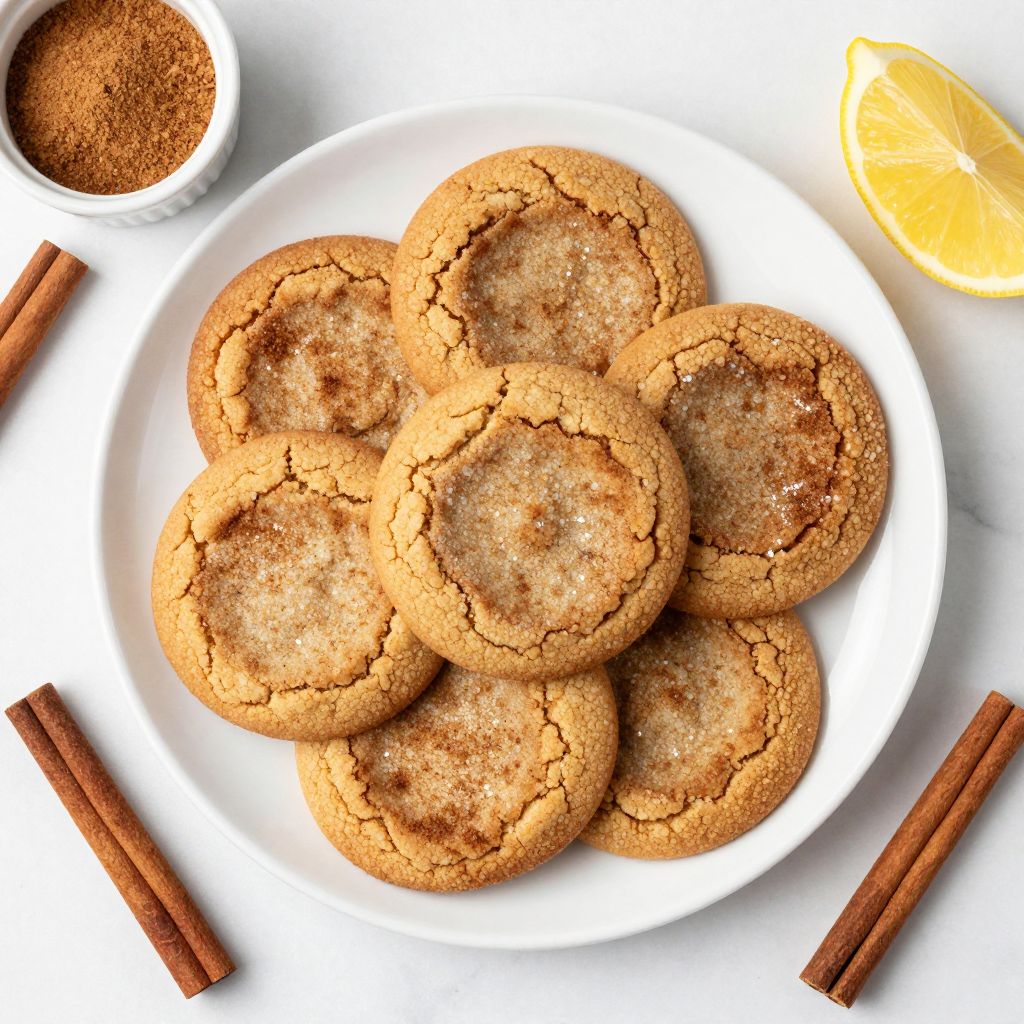
Snickerdoodle Recipe No Cream of Tartar
Ingredients
Equipment
Method
- Preheat your oven to 375 degrees Fahrenheit and line two baking sheets with parchment paper.
- In a medium bowl, whisk together flour, baking soda, and salt until evenly combined.
- In a large bowl, beat softened butter and granulated sugar with an electric mixer for 3 to 4 minutes until light and fluffy.
- Beat in the egg and vanilla extract until fully combined, scraping down the bowl as needed, about 1 minute.
- Measure out the lemon juice and stir it directly into the baking soda until it stops fizzing. Wait about 30 seconds for the reaction to complete.
- Add the lemon juice and baking soda mixture to the wet ingredients and mix to combine.
- Add the flour mixture to the butter mixture in two additions, mixing on low speed until just combined after each addition. Do not overmix.
- In a shallow dish, mix together the 3 tablespoons sugar and 1 tablespoon ground cinnamon until evenly combined.
- Scoop dough into 1.5-tablespoon sized balls and roll each one in the cinnamon-sugar mixture until fully coated.
- Place the coated dough balls about 2 inches apart on prepared baking sheets.
- Bake for 11 to 13 minutes, until the edges are set but the centers still look slightly underdone.
- Remove from the oven and let cookies cool on the baking sheet for 5 minutes before transferring to a cooling rack.