Escarole soup is a rustic Italian classic that brings warmth and nutrition to your table in one simple bowl.
This humble dish combines tender leafy greens, white beans, and rich broth into something that feels both comforting and elegant. You’ll love how quick it comes together and how it tastes even better the next day.
Why You’ll Love This Recipe
Escarole soup delivers serious flavor without fuss, making it perfect for weeknight dinners or meal prep.
- Packed with vitamins and fiber from fresh escarole greens.
- Ready in under 45 minutes from start to finish.
- Naturally vegetarian and easily customizable for dietary needs.
- Tastes incredible on day two or three, making it ideal for leftovers.
- Budget-friendly ingredients that don’t sacrifice on taste or nutrition.
My Experience Making This Recipe
The first time I made escarole soup, I was skeptical about how something so simple could be so satisfying. My Italian grandmother’s version taught me that the magic lies in good quality broth and not overcomplicating things.
I remember the aroma filling my kitchen: garlic, olive oil, and fresh greens creating this incredible herbaceous scent. My family devoured it in minutes, and I found myself making it weekly during winter.
What surprised me most was how the soup improved after a night in the fridge, as the flavors mingled and deepened. Now I always make a double batch because everyone asks for seconds and thirds.
Recipe Overview
- Recipe Name: Escarole Soup
- Servings: 4 to 6 servings
- Prep Time: 15 minutes
- Cook Time: 30 minutes
- Total Time: 45 minutes
- Course: Soup or Appetizer
- Cuisine: Italian
- Calories per Serving: 180 calories
Equipment You Will Need
- Large soup pot or Dutch oven
- Sharp chef’s knife
- Cutting board
- Wooden spoon for stirring
- Colander for draining beans
- Ladle for serving
Ingredients for Escarole Soup
- 3 tablespoons olive oil
- 4 cloves garlic, minced
- 1 medium onion, diced
- 1 pound fresh escarole, roughly chopped
- 6 cups vegetable broth or chicken broth
- 1 can white beans (15 ounces), drained and rinsed
- 1 teaspoon salt, or to taste
- 1/2 teaspoon black pepper
- 1/4 teaspoon red pepper flakes (optional)
- 1/2 teaspoon Italian seasoning
- Juice of 1/2 lemon
- Grated Parmesan cheese for serving
Ingredient Notes and Substitutions
- Escarole: This leafy green has a slightly bitter, peppery taste that balances the creamy beans perfectly. If you can’t find it, use spinach or kale, though the flavor profile will shift toward milder and earthier notes.
- White beans: Cannellini beans add protein and creaminess to the broth. You can swap in great northern beans or chickpeas for a different texture without losing the nutritional benefit.
- Broth: Vegetable broth keeps this vegetarian, while chicken broth adds savory depth. Homemade broth tastes best, but quality store-bought works fine.
- Garlic: Fresh minced garlic provides aromatic punch that jarred garlic cannot match. If using jarred, reduce the amount by half since it concentrates quickly.
- Olive oil: Good quality extra virgin olive oil makes a noticeable difference in the final taste. Regular olive oil works if that’s what you have available.
How to Make Escarole Soup
Step 1: Heat Your Oil and Saute the Aromatics
Pour the olive oil into your large soup pot over medium heat and let it warm for about one minute. Add the diced onion and minced garlic, stirring frequently until fragrant and the onion becomes translucent, roughly 3 to 4 minutes.
Step 2: Add the Broth to the Pot
Pour in the 6 cups of broth and bring the mixture to a gentle boil over medium-high heat. This usually takes about 5 minutes and creates the flavorful base for your entire soup.
Step 3: Season the Broth
Add the salt, black pepper, red pepper flakes if using, and Italian seasoning to the hot broth and stir well. Taste it and adjust seasonings now, as this is easier than correcting after the greens are added.
Step 4: Prepare Your Escarole
While the broth heats, wash your escarole thoroughly under cold running water to remove any dirt or grit between the leaves. Roughly chop it into bite-sized pieces, discarding the tough outer leaves if they seem yellowed or damaged.
Step 5: Add the Escarole to the Broth
Once the broth is simmering, add the chopped escarole in batches, stirring after each addition to help it wilt down. The greens will release water and reduce significantly, so don’t worry if it looks like too much at first.
Step 6: Incorporate the White Beans
Drain and rinse your canned white beans under cold water to remove excess sodium, then add them to the pot. Stir gently and let everything simmer together for about 5 minutes so the beans warm through and absorb the broth flavors.
Step 7: Finish with Lemon Juice
Squeeze the lemon juice into the pot and stir it through completely, which brightens the flavors and adds a subtle acidity. This final touch prevents the soup from tasting flat or one-dimensional.
Step 8: Taste and Adjust
Give the soup a final taste and adjust the salt, pepper, or lemon juice as needed to suit your preference. Some people prefer a bit more bite from the pepper flakes, so feel free to customize.
Pro Tip: Don’t skip the lemon juice at the end, as it transforms the entire flavor profile and makes the soup taste restaurant-quality.
Tips for the Best Escarole Soup
- Use fresh escarole rather than frozen, as fresh greens maintain their texture and won’t make the broth cloudy. The slight bitterness of fresh escarole is exactly what makes this soup special.
- Add the escarole in batches rather than all at once, which prevents it from clumping together at the bottom of the pot. Stir after each batch so it distributes evenly.
- Don’t overcook the escarole once it hits the broth, as it softens quickly and loses its bright flavor if you’re not careful. Aim for just tender, not mushy, which takes about 10 minutes total.
- Make this soup a day ahead and refrigerate it overnight, as the flavors continue to develop and marry together beautifully. Reheat gently on the stovetop without boiling to preserve texture.
- Top each bowl with a generous handful of freshly grated Parmesan cheese and a drizzle of good olive oil, which adds richness and elevates the entire experience.
- If your broth is mild, boost the flavor by adding a splash of white wine or a pinch of fennel seeds before serving.
Common Mistakes to Avoid
- Using wilted or yellowed escarole will result in mushy, unappetizing greens that taste bitter and unpleasant. Always select bright, crisp bunches from the produce section.
- Skipping the lemon juice makes the soup taste flat and one-dimensional, missing the final flavor component that brings everything together. This small step makes a dramatic difference in the final result.
- Overcrowding the pot with too much escarole at once prevents it from wilting evenly and creates clumps that won’t cook properly. Patience with batching ensures even, tender greens throughout.
- Using low-quality broth or bouillon cubes will give your soup a metallic, off flavor that overshadows the delicate taste of the greens. Always choose real broth for the best outcome.
- Adding salt too late in the cooking process means it won’t fully season the broth, leaving flat-tasting soup that needs rescue work. Season early and taste frequently.
Serving Suggestions
Escarole soup shines on its own but pairs beautifully with crusty bread, fresh salads, or light proteins.
- Serve with thick slices of toasted garlic bread for scooping and soaking up every last drop of broth.
- Pair with a simple green salad dressed in lemon vinaigrette to balance the soup’s earthiness.
- Top with crispy croutons and a sprinkle of red pepper flakes for added texture and heat.
- Accompany with grilled chicken or fish for a more substantial main course meal.
- Offer alongside a wedge of Parmesan cheese so guests can shave additional pieces directly into their bowls.
Variations to Try
- Spicy Version: Add two or three dried red chili peppers or increase red pepper flakes to one full teaspoon for serious heat that builds as you eat. The spice complements the greens’ bitterness and makes leftovers taste even better.
- Cream-Based Escarole Soup: Stir in one cup of heavy cream or half-and-half after adding the beans for a richer, more indulgent version. This transforms the rustic soup into something special enough for entertaining.
- With Sausage: Brown one pound of Italian sausage with the onion and garlic at the beginning, then proceed as normal for a heartier meal that feeds a crowd. The sausage fat adds incredible depth to the broth.
- White Wine Version: Add one cup of dry white wine along with the broth for a bright, sophisticated edge that fancy dinner guests will appreciate. Let it simmer for 3 minutes to burn off the alcohol.
- With Pasta: Stir in one cup of small pasta shapes like ditalini or orzo during the last 10 minutes of cooking for a more substantial meal. Cook the pasta separately first to prevent mushiness.
Dietary Adaptations
- Gluten-Free: This recipe is naturally gluten-free when made with gluten-free broth, though verify your canned beans label just to be safe. No adaptation needed beyond checking your ingredients.
- Dairy-Free: Skip the Parmesan topping or use a plant-based cheese alternative if you prefer, though the soup tastes wonderful without cheese. The olive oil drizzle provides richness on its own.
- Vegan and Vegetarian: This recipe is already vegetarian and easily vegan by using vegetable broth instead of chicken broth. Skip cheese entirely and you have a completely plant-based meal that’s still satisfying.
- Low-Carb and Keto: Replace the white beans with extra spinach or mushrooms to keep carbs minimal while maintaining the soup’s heartiness. The bean replacement lowers carbs significantly without sacrificing nutrition.
Storage and Reheating
Refrigerator
Store escarole soup in an airtight container for up to 4 days, though it tastes best within 3 days of making it. The flavors continue to develop, so day two often tastes better than day one.
- Cool the soup to room temperature before transferring to containers to prevent condensation buildup.
- Store Parmesan cheese separately so it doesn’t get soggy before serving.
Freezer
Escarole soup freezes beautifully for up to 3 months, making it perfect for meal prep or emergency dinners. Leave some headspace at the top of your containers since liquid expands as it freezes.
- Freeze in individual portions so you can thaw only what you need.
- Omit cheese before freezing and add it fresh when you reheat and serve.
Reheating
Thaw frozen soup overnight in the refrigerator, then reheat gently on the stovetop over medium heat, stirring occasionally. Never microwave soup from frozen, as it creates uneven heating and can damage the texture of the greens.
- Add a splash of fresh broth or water if the soup seems thick after storage.
- Taste and adjust seasonings before serving, as flavors can shift slightly after freezing.
Nutrition Information
| Nutrient | Amount |
|---|---|
| Calories | 180 |
| Total Fat | 11 grams |
| Saturated Fat | 2 grams |
| Carbohydrates | 16 grams |
| Fiber | 4 grams |
| Sugar | 2 grams |
| Protein | 8 grams |
| Sodium | 850 milligrams |
| Cholesterol | 0 milligrams |
These values are approximate and calculated using standard USDA nutrition databases, varying based on specific brands and individual preparation methods. Always consult a nutritionist for precise dietary information if you have specific health concerns.
Frequently Asked Questions
Can I Use Frozen Escarole Instead of Fresh?
Frozen escarole will work in a pinch, but the texture won’t be quite as pleasant since freezing breaks down the leaves. Fresh escarole gives you that slightly crisp bite that makes the soup special, so try to find it fresh if possible.
How Far in Advance Can I Prep This Soup?
You can chop your escarole and onion up to 8 hours ahead, storing them in separate airtight containers in the fridge. Garlic tends to darken quickly once minced, so chop it no more than 2 hours ahead to preserve its flavor.
What’s the Best Way to Store Leftovers?
Transfer cooled soup to airtight containers and refrigerate for up to 4 days, or freeze for up to 3 months. Always store cheese separately so it doesn’t absorb moisture and become unpleasant.
Why Is My Soup Bitter?
Escarole has a natural bitterness that some people love and others find off-putting, which is why the lemon juice and Parmesan help balance it. If you find it too bitter, try blanching the escarole briefly in boiling water before adding it to the soup.
Can I Make This Soup Without Beans?
Yes, you can skip the beans entirely, though the soup will be less hearty and filling without them. If you want protein but prefer different options, add diced cooked chicken, Italian sausage, or a poached egg to each bowl instead.
Is There a Substitute for White Beans?
Absolutely, you can use chickpeas, cannellini beans, great northern beans, or even lentils depending on your preference. Each bean variety brings slightly different flavor and texture, so experiment to find your favorite combination.
Final Thoughts
Escarole soup represents everything I love about simple, honest cooking: a handful of quality ingredients combined with proper technique to create something truly special. It’s the kind of dish that feels cozy and nourishing while also impressing anyone you serve it to.
Make this soup this week and taste how the flavors transform from day one to day two. You’ll understand why this rustic Italian classic has stood the test of time and why your family will request it again and again.
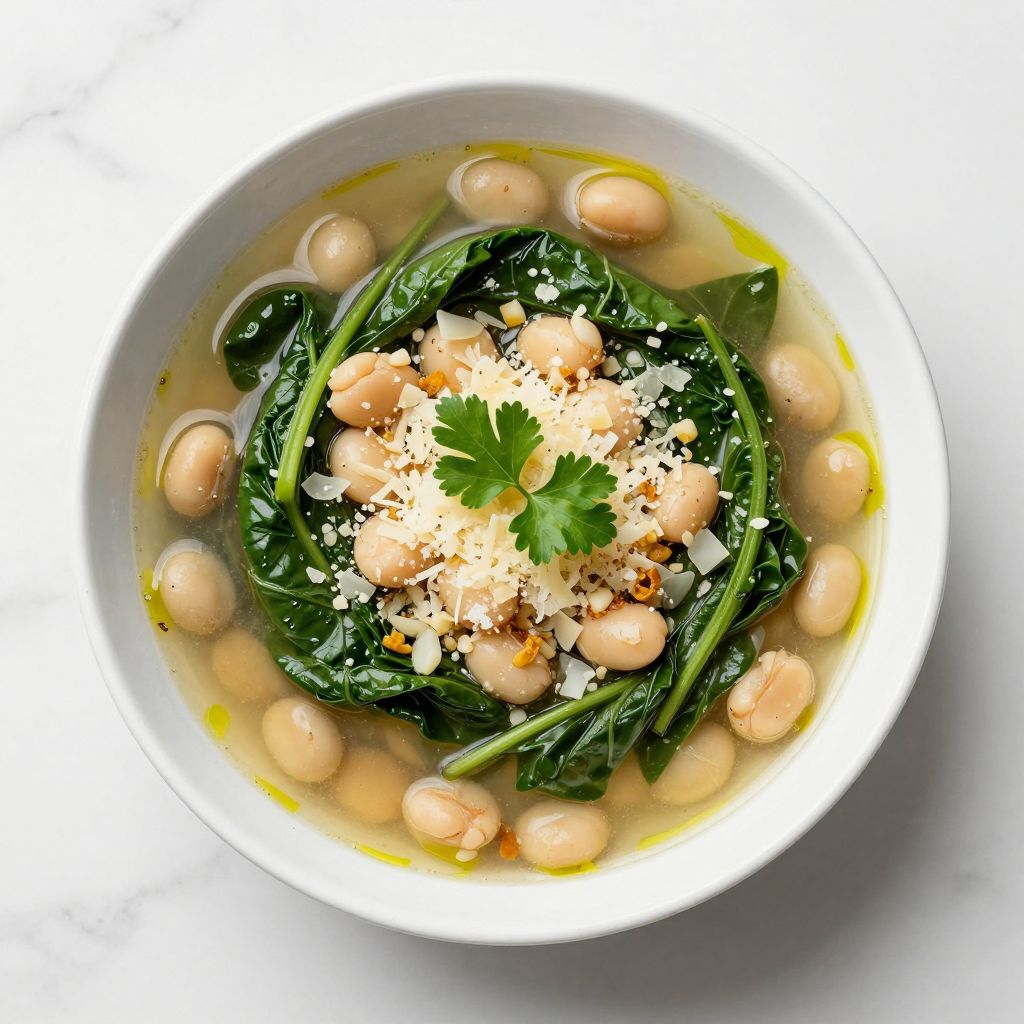
Escarole Soup
Ingredients
Equipment
Method
- Pour the olive oil into a large soup pot over medium heat and warm for about one minute.
- Add the diced onion and minced garlic, stirring frequently until fragrant and the onion becomes translucent, roughly 3 to 4 minutes.
- Pour in the 6 cups of broth and bring the mixture to a gentle boil over medium-high heat, about 5 minutes.
- Add the salt, black pepper, red pepper flakes if using, and Italian seasoning to the hot broth and stir well. Taste and adjust seasonings as needed.
- While the broth heats, wash escarole thoroughly under cold running water, then roughly chop into bite-sized pieces, discarding tough outer leaves if yellowed or damaged.
- Once the broth is simmering, add the chopped escarole in batches, stirring after each addition to help it wilt down.
- Drain and rinse the canned white beans, then add them to the pot. Stir gently and let simmer together for about 5 minutes to warm through and absorb flavors.
- Squeeze the juice of half a lemon into the pot and stir thoroughly to brighten and balance the flavors.
- Taste the soup and adjust salt, pepper, or lemon juice as needed before serving.
- Serve each bowl topped with a generous handful of freshly grated Parmesan cheese and a drizzle of good olive oil.