Soft sourdough sandwich bread delivers the tangy flavor you crave with a pillowy texture that slices like a dream. This recipe uses active sourdough starter to create loaves perfect for everything from grilled cheese to your favorite turkey club.
Unlike dense artisan loaves, this bread stays soft for days and makes incredible toast. Let me show you exactly how to bake bakery quality sandwich bread in your own kitchen.
Why You’ll Love This Recipe
This soft sourdough sandwich bread hits differently than store bought options. Once you taste the subtle tang and buttery crumb, you will never go back to plastic wrapped loaves.
- Stays soft and fresh for up to five days without preservatives
- Uses natural fermentation for easier digestion and better flavor
- Requires no commercial yeast, just your trusty sourdough starter
- Creates the perfect sandwich thickness with a tender, sliceable crumb
- Fills your kitchen with an aroma that will make neighbors jealous
My Experience Making This Recipe
I have been baking this loaf weekly for three years now, and it remains my family’s favorite bread. The first time I pulled it from the oven, the golden crust crackled as it cooled on the wire rack.
My kids devoured half the loaf before dinner, slathering warm slices with butter that melted into every air pocket. Even my sourdough skeptic mother in law admitted this bread converted her.
The texture reminds me of the sandwich bread my grandmother used to buy from the local bakery. Soft enough to squish slightly when you press it, but sturdy enough to hold up to peanut butter and jelly without tearing.
Recipe Overview
- Recipe Name: Soft Sourdough Sandwich Bread
- Servings: 1 loaf (12 slices)
- Prep Time: 30 minutes (plus 8 to 12 hours fermentation)
- Cook Time: 35 minutes
- Total Time: 9 to 13 hours
- Course: Bread, Breakfast
- Cuisine: American
- Calories per Serving: 165
Equipment You Will Need
- 9×5 inch loaf pan
- Stand mixer with dough hook (or strong arms for hand kneading)
- Kitchen scale for precise measurements
- Large mixing bowl
- Clean kitchen towel or plastic wrap
- Wire cooling rack
- Instant read thermometer
- Bench scraper
Ingredients for Soft Sourdough Sandwich Bread
- Active sourdough starter (100g, fed within 4 to 8 hours)
- Bread flour (400g)
- Whole milk (200g, warmed to room temperature)
- Unsalted butter (45g, softened)
- Honey (30g)
- Fine sea salt (8g)
- Large egg (1, room temperature)
For the Egg Wash
- Large egg (1)
- Whole milk (1 tablespoon)
Ingredient Notes and Substitutions
- Sourdough starter: Provides all the leavening power and signature tang. Must pass the float test; if it sinks, feed it and wait 4 hours before using.
- Bread flour: The higher protein content creates gluten structure for that perfect chew. All purpose flour works but produces a slightly softer, less structured crumb.
- Whole milk: Adds fat for tenderness and helps the crust brown beautifully. Substitute with oat milk for dairy free, though the crust may be slightly paler.
- Unsalted butter: Creates that melt in your mouth texture and rich flavor. Coconut oil or vegan butter substitute well for dairy free versions.
- Honey: Feeds the wild yeast and adds subtle sweetness. Maple syrup or granulated sugar work as direct swaps.
- Egg: Enriches the dough and contributes to the soft crumb. Skip it for vegan bread, adding 30g more milk to compensate for moisture.
How to Make Soft Sourdough Sandwich Bread
Step 1: Test Your Starter
Drop a small spoonful of your starter into a glass of room temperature water. If it floats, your starter is active and ready to leaven bread.
A sinking starter means the wild yeast has exhausted its food supply. Feed it equal parts flour and water, then wait 4 to 6 hours before testing again.
Step 2: Mix the Dough
Combine the warm milk, honey, and egg in your mixing bowl and whisk until blended. Add the active starter and stir until it dissolves into the liquid.
Add the bread flour and salt, mixing until a shaggy dough forms. The initial mixture will look rough and messy, which is exactly what you want at this stage.
Step 3: Add the Butter and Knead
Let the dough rest for 10 minutes so the flour fully hydrates. Add the softened butter in three additions, kneading for 2 minutes between each addition.
Continue kneading for 8 to 10 minutes total until the dough becomes smooth, elastic, and slightly tacky. The butter incorporation takes patience because fat inhibits gluten development initially.
Step 4: Perform the Windowpane Test
Pinch off a small piece of dough and stretch it between your fingers. Properly developed gluten will stretch thin enough to see light through without tearing.
If the dough tears immediately, knead for another 3 to 4 minutes and test again. This step ensures your bread will have the structure needed to rise properly.
Step 5: Bulk Ferment the Dough
Place the dough in a lightly oiled bowl and cover with plastic wrap or a damp towel. Let it ferment at room temperature (70 to 75 degrees F) for 8 to 12 hours or until doubled in size.
The timing depends heavily on your kitchen temperature and starter strength. Cooler kitchens mean longer fermentation, which actually develops more complex flavor.
Step 6: Shape the Loaf
Turn the puffy dough onto a lightly floured surface and gently press it into a rectangle about 8 inches wide. Fold the top third down and the bottom third up like a business letter.
Roll the dough tightly from one short end to the other, sealing the seam with your fingertips. This shaping technique creates the internal structure for even slices.
Step 7: Final Proof
Place the shaped loaf seam side down in a greased 9×5 inch loaf pan. Cover loosely and let rise for 2 to 4 hours until the dough crowns about 1 inch above the pan rim.
The dough should spring back slowly when poked gently. If it springs back quickly, give it more time; if the indent stays, you have slightly overproofed but can still proceed.
Step 8: Prepare for Baking
Preheat your oven to 375 degrees F about 30 minutes before baking. Whisk together the egg and milk for the egg wash.
Brush the top of the loaf generously with the egg wash. This creates that gorgeous golden brown crust that looks straight out of a bakery window.
Step 9: Bake the Bread
Place the loaf pan on the center rack and bake for 30 to 35 minutes. The bread is done when the internal temperature reaches 190 to 200 degrees F.
Tent the loaf loosely with foil if the top browns too quickly. Every oven runs differently, so start checking at 28 minutes to avoid overbaking.
Step 10: Cool Completely
Remove the bread from the pan immediately and place it on a wire rack. Let it cool for at least 1 hour before slicing, no matter how tempting it smells.
Cutting hot bread compresses the crumb and releases steam that should stay inside. Patience here means better texture and easier slicing.
Pro Tip: For an extra soft crust, brush the hot loaf with melted butter right out of the oven and cover with a clean kitchen towel while cooling.
Tips for the Best Soft Sourdough Sandwich Bread
- Use a kitchen scale for all measurements because bread baking requires precision that cups and spoons cannot provide.
- Keep your starter well fed and active for best results. A sluggish starter produces dense, underrisen bread.
- Warm your milk to body temperature to avoid shocking the starter. Cold milk slows fermentation dramatically.
- Knead until the dough passes the windowpane test. Underdeveloped gluten creates crumbly bread that falls apart when sliced.
- Watch your dough, not the clock. Temperature variations mean fermentation times change with the seasons.
- Grease your loaf pan thoroughly with butter or spray. Nothing ruins bread day like a stuck loaf.
Common Mistakes to Avoid
- Using inactive starter results in a dense brick instead of fluffy bread because there is no leavening power.
- Adding cold butter tears the gluten strands you worked so hard to develop.
- Overproofing causes the loaf to collapse during baking because the gluten structure has weakened.
- Slicing while hot compresses the crumb and creates a gummy texture that nobody enjoys.
- Skipping the egg wash leaves you with a pale, dull crust instead of that bakery shine.
Serving Suggestions
This soft sourdough sandwich bread shines in both sweet and savory applications. The subtle tang complements everything from breakfast spreads to hearty dinner sandwiches.
- Classic grilled cheese with sharp cheddar and tomato soup
- Thick cut French toast with maple syrup and fresh berries
- Turkey and avocado club with crispy bacon
- Toasted with butter and your favorite jam for breakfast
- Hearty BLT with summer tomatoes and garlic aioli
Variations to Try
- Cinnamon swirl: Roll cinnamon sugar into the dough during shaping for a breakfast treat that toasts beautifully.
- Everything bagel: Press everything bagel seasoning onto the egg washed top before baking for savory crunch.
- Honey oat: Add 50g rolled oats to the dough and top with more oats for heartier texture.
- Rosemary garlic: Knead in fresh rosemary and roasted garlic for an herb bread perfect with soups.
- Whole wheat: Replace 100g bread flour with whole wheat flour for nuttier flavor and added fiber.
Dietary Adaptations
- Gluten free: This recipe requires gluten for structure; use a dedicated gluten free sourdough recipe instead.
- Dairy free: Substitute oat milk for whole milk and use coconut oil or vegan butter for the fat.
- Vegan: Replace the egg with 30g additional milk and skip the egg wash, brushing with oil for browning.
- Lower carb: True low carb sandwich bread requires different flours; this recipe does not adapt well to keto diets.
Storage and Reheating
Refrigerator
Refrigeration actually stales bread faster due to starch retrogradation. Store at room temperature instead for best quality.
- If you must refrigerate, wrap tightly and use within 3 days
- Toast refrigerated slices to restore texture
Freezer
Freeze for long term storage to lock in freshness. This bread freezes beautifully for up to 3 months.
- Slice before freezing for easy individual portions
- Wrap tightly in plastic, then aluminum foil
- Label with the date so you remember when you made it
Reheating
Bring frozen bread back to life quickly with these methods. The toaster works best for individual slices.
- Toast frozen slices directly from the freezer on the defrost setting
- Thaw whole loaf at room temperature for 2 to 3 hours
- Refresh day old bread in a 350 degree F oven for 5 minutes
Nutrition Information
| Nutrient | Amount |
|---|---|
| Calories | 165 |
| Total Fat | 5g |
| Saturated Fat | 3g |
| Carbohydrates | 25g |
| Fiber | 1g |
| Sugar | 4g |
| Protein | 5g |
| Sodium | 180mg |
| Cholesterol | 25mg |
Nutritional values are estimates based on standard ingredients and may vary based on specific products used and serving sizes.
Frequently Asked Questions
Can I use all purpose flour instead of bread flour?
Yes, all purpose flour works but produces a softer, less structured crumb. The lower protein content means less gluten development and a slightly squishier texture.
Can I make the dough ahead and bake later?
Absolutely. After shaping, cover the loaf pan and refrigerate for up to 24 hours. Let it come to room temperature and finish proofing before baking.
How do I know when my bread is fully baked?
Use an instant read thermometer inserted into the center. The bread is done when it reaches 190 to 200 degrees F internally.
Why is my bread dense and gummy inside?
This usually means underproofing or slicing too soon. Give your dough more time to rise and let the baked loaf cool completely before cutting.
How long does this bread stay fresh?
Stored in a bread box or plastic bag at room temperature, this loaf stays soft for 4 to 5 days. The natural fermentation actually helps it last longer than yeasted bread.
Final Thoughts
Baking your own soft sourdough sandwich bread takes some planning, but the results beat anything from the supermarket. The tangy flavor, tender crumb, and satisfaction of slicing into a homemade loaf make every minute worthwhile.
Start with an active starter, follow the steps carefully, and trust the process. Your family will wonder why you ever bought bread in the first place, and honestly, so will you.
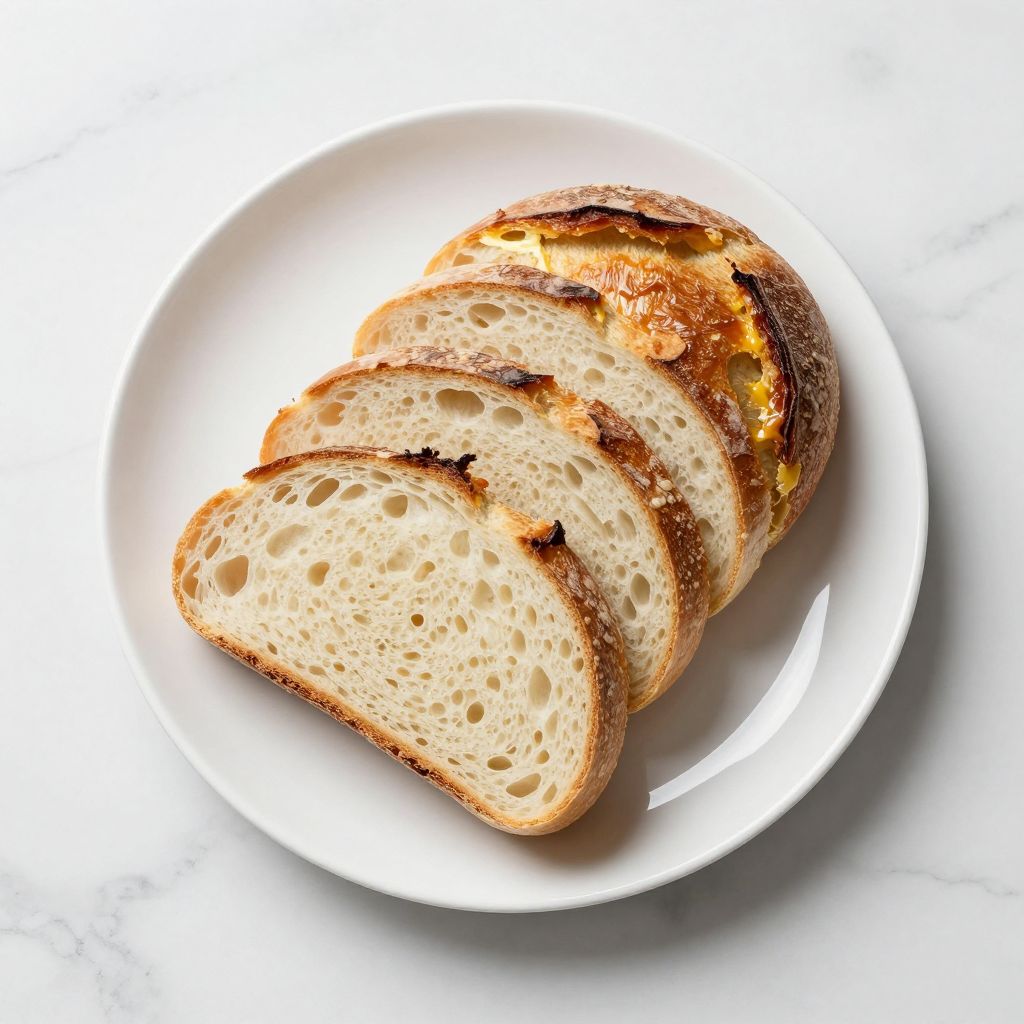
Soft Sourdough Sandwich Bread
Ingredients
Equipment
Method
- Test your starter by dropping a small spoonful into a glass of room temperature water. If it floats, your starter is active and ready. If it sinks, feed it equal parts flour and water and wait 4 to 6 hours before testing again.
- Combine the warm milk, honey, and egg in your mixing bowl and whisk until blended. Add the active starter and stir until it dissolves into the liquid.
- Add the bread flour and salt, mixing until a shaggy dough forms.
- Let the dough rest for 10 minutes so the flour fully hydrates. Add the softened butter in three additions, kneading for 2 minutes between each addition.
- Continue kneading for 8 to 10 minutes total until the dough becomes smooth, elastic, and slightly tacky.
- Perform the windowpane test by pinching off a small piece of dough and stretching it between your fingers. Properly developed gluten will stretch thin enough to see light through without tearing. If it tears, knead for another 3 to 4 minutes.
- Place the dough in a lightly oiled bowl and cover with plastic wrap or a damp towel. Let it ferment at room temperature (70 to 75 degrees F) for 8 to 12 hours or until doubled in size.
- Turn the puffy dough onto a lightly floured surface and gently press it into a rectangle about 8 inches wide. Fold the top third down and the bottom third up like a business letter.
- Roll the dough tightly from one short end to the other, sealing the seam with your fingertips.
- Place the shaped loaf seam side down in a greased 9x5 inch loaf pan. Cover loosely and let rise for 2 to 4 hours until the dough crowns about 1 inch above the pan rim.
- Preheat your oven to 375 degrees F about 30 minutes before baking.
- Whisk together the egg and milk for the egg wash. Brush the top of the loaf generously with the egg wash.
- Place the loaf pan on the center rack and bake for 30 to 35 minutes until the internal temperature reaches 190 to 200 degrees F. Tent loosely with foil if the top browns too quickly.
- Remove the bread from the pan immediately and place it on a wire rack. Let it cool for at least 1 hour before slicing.