Authentic Italian Minestrone Soup is a hearty, vegetable-packed dish that captures the essence of Italian home cooking in a single bowl. This classic minestrone combines fresh seasonal vegetables, tender pasta, and aromatic herbs to create comfort food that feels both light and deeply satisfying.
What makes this recipe special is its flexibility and soul—minestrone means “big soup” in Italian, and it truly lives up to its name with layers of flavor and texture. Whether you’re cooking for a weeknight dinner or feeding a crowd, this authentic version delivers restaurant-quality results without fussy techniques.
Why You’ll Love This Recipe
This minestrone soup hits every note you want from a homemade meal. It’s naturally vegetable-forward, deeply flavorful, and comes together faster than you’d expect.
- Loaded with fresh vegetables that soften beautifully and release their natural sweetness
- Flexible enough to use whatever vegetables you have on hand without losing its character
- One-pot simplicity with minimal cleanup and maximum flavor payoff
- Perfect for meal prep, freezes beautifully, and tastes even better the next day
- Naturally vegetarian and adaptable to vegan or meat-based variations
My Experience Making This Recipe
I first made this minestrone on a chilly autumn evening when I wanted something warm but not heavy. The kitchen filled with the aroma of sauteed onions and garlic, then deepened as the tomatoes and vegetables melded together, and I knew I was onto something special.
My family devoured bowl after bowl, and what struck me most was how each spoonful tasted different depending on which vegetables you caught. The soup has this incredible balance where no single ingredient dominates; instead, they all work together like a chorus.
Since that first attempt, I’ve made this soup dozens of times, tweaking it slightly with seasonal produce and learning that the real magic happens when you take time to properly sauté the aromatics at the start. That foundation of flavor makes all the difference.
Recipe Overview
- Recipe Name: Authentic Italian Minestrone Soup
- Servings: 6 to 8 servings
- Prep Time: 20 minutes
- Cook Time: 35 minutes
- Total Time: 55 minutes
- Course: Soup
- Cuisine: Italian
- Calories per Serving: 180 calories
Equipment You Will Need
- Large heavy-bottomed pot or Dutch oven
- Wooden spoon or soup ladle
- Sharp chef’s knife
- Cutting board
- Can opener
- Measuring cups and spoons
- Vegetable peeler
- Colander for draining canned beans
Ingredients for Authentic Italian Minestrone Soup
- 3 tablespoons extra virgin olive oil
- 1 large onion, diced small
- 3 carrots, peeled and cut into half-moons
- 3 celery stalks, diced
- 4 cloves garlic, minced
- 1 can (28 ounces) crushed tomatoes
- 6 cups vegetable or chicken broth
- 2 cups zucchini, cut into quarter-moons
- 2 cups green beans, trimmed and cut into 1-inch pieces
- 1 can (15 ounces) cannellini beans, drained and rinsed
- 1 cup small pasta (ditalini or elbow pasta)
- 2 teaspoons dried oregano
- 1 teaspoon dried basil
- Salt and freshly cracked black pepper to taste
- Red pepper flakes for optional heat
- Fresh basil for garnish (optional)
- Grated Parmesan cheese for serving
Ingredient Notes and Substitutions
- Extra virgin olive oil provides the fruity, authentic base for this soup and helps carry the flavors of the aromatics. You can substitute with regular olive oil or vegetable oil, though the final flavor will be slightly less complex.
- Crushed tomatoes give body and acidity that balance the vegetables and broth perfectly. Canned San Marzano tomatoes are ideal for this soup. If unavailable, use canned diced tomatoes blended smooth, or fresh tomatoes in summer.
- Cannellini beans add protein and creaminess without overpowering the vegetables. You can swap in kidney beans, chickpeas, or white beans with equally good results.
- Small pasta like ditalini keeps the soup feeling cohesive and easy to eat. Orzo, small shells, or even broken angel hair work beautifully here.
- Fresh vegetables like zucchini and green beans add brightness and texture. Swap in bell peppers, spinach, or snap peas depending on what’s in season.
How to Make Authentic Italian Minestrone Soup
Step 1: Heat the Oil and Prepare Your Vegetables
Pour the extra virgin olive oil into your large pot and set it over medium heat until it shimmers gently. While the oil heats, dice your onion, carrots, and celery into small, uniform pieces so they cook at the same rate and create a flavorful base.
Step 2: Sauté the Aromatic Vegetables
Add the diced onion, carrot, and celery to the hot oil and stir frequently for about 5 minutes until the vegetables soften and become fragrant. This step builds the flavor foundation of your entire soup, so don’t rush it or skip it.
Step 3: Add the Garlic and Herbs
Stir in your minced garlic and cook for another 30 seconds to 1 minute until it becomes aromatic and slightly golden. Add the dried oregano and basil now, letting them bloom in the hot oil and release their flavors before the liquid goes in.
Step 4: Pour in the Tomatoes and Broth
Add the crushed tomatoes and broth to the pot, scraping up any browned bits stuck to the bottom with your wooden spoon. These caramelized bits add deep umami flavor, so make sure you incorporate them fully into the liquid.
Step 5: Bring to a Simmer and Add Hardy Vegetables
Bring the soup to a gentle boil, then reduce heat to maintain a steady simmer. Add the carrots and green beans now since they need slightly longer cooking time than delicate vegetables like zucchini.
Step 6: Add the Remaining Vegetables and Beans
After the soup simmers for about 10 minutes, add the zucchini and drained cannellini beans, stirring gently to combine. The green beans should be starting to soften, and now your tender vegetables join the party.
Step 7: Cook the Pasta
Add your small pasta to the simmering soup and stir occasionally to prevent sticking. Most small pastas cook in 8 to 10 minutes, so check the package and taste a piece to ensure it’s tender but not mushy.
Step 8: Season and Taste
Once the pasta is cooked through, taste your soup and season with salt, pepper, and a pinch of red pepper flakes if you like heat. Remember that the broth already contains sodium, so season gradually and taste as you go.
Pro Tip: Save some pasta water before draining it, and keep a ladle of it nearby to thin the soup slightly if needed after cooking, as pasta and vegetables absorb liquid and the soup can become thicker than you prefer.
Tips for the Best Authentic Italian Minestrone Soup
- Don’t skip the sauteing step with your aromatics; those first few minutes of cooking onion, carrot, and celery develop deep flavor that elevates the entire pot. Rush through this, and your soup tastes flat and one-dimensional.
- Use the best quality canned tomatoes you can find, preferably San Marzano, since they make up a significant portion of the soup’s body and flavor profile. Poor quality tomatoes result in a thin, acidic-tasting soup.
- Add delicate vegetables like zucchini toward the end of cooking so they keep their bright color and slight firmness instead of becoming mushy and dull. Timing matters here.
- Cook the pasta separately if you prefer, then add it to individual bowls rather than cooking it directly in the soup, which gives you more control over its texture. This also prevents the soup from becoming too thick over time.
- Taste and adjust seasoning right before serving, not at the beginning, since flavors concentrate as the soup simmers and vegetables release their liquid. What tastes right early may become over-salted later.
- Serve with freshly grated Parmesan cheese and crusty bread for soaking up every drop, as these simple additions transform the soup from good to unforgettable.
Common Mistakes to Avoid
- Overcrowding the pot with too many vegetables means they steam instead of sauté, and you lose that crucial depth of flavor that comes from proper browning. Stick to the measurements and give your aromatics room to cook.
- Using old canned vegetables or skip-the-veggie shortcuts results in a soup that tastes flat and one-note, missing the complexity and freshness that makes minestrone special. Fresh or frozen vegetables are your friends here.
- Adding the pasta too early causes it to absorb liquid and become bloated while the soup thickens to gravy consistency. Time your pasta addition so it finishes cooking just as you ladle into bowls.
- Boiling the soup aggressively instead of simmering breaks down vegetables into mush and makes the broth cloudy and less appealing. Keep that gentle bubble going.
- Forgetting to rinse canned beans leaves excess sodium and starches that make the broth cloudy and the flavors muddled. A quick rinse under cold water makes a noticeable difference.
Serving Suggestions
This minestrone shines as a standalone meal, especially on cool evenings when you want something warming but not heavy. Pair it with simple sides that complement rather than compete with the soup’s delicate vegetable flavors.
- Crusty Italian bread or ciabatta for dipping and soaking up every drop of broth
- A simple green salad with lemon vinaigrette to add brightness and contrast to the warm, cooked vegetables
- Grilled cheese sandwich on the side for those who prefer a more substantial meal
- Fresh mozzarella and tomato salad as a cool, fresh counterpoint to the warm soup
- Focaccia bread brushed with olive oil and fresh rosemary for elegant entertaining
Variations to Try
- Meat-Based Minestrone: Brown 6 ounces of Italian sausage or pancetta in the pot before adding aromatics, then drain excess fat before proceeding. This adds savory depth and makes the soup heartier, transforming it into a more substantial one-dish meal.
- Seafood Minestrone: Omit the beans and pasta, then add 8 ounces of diced firm white fish or shrimp in the last 3 minutes of cooking. This creates a lighter, more summery version that feels almost like a light stew.
- Creamy Minestrone: Stir in half a cup of heavy cream or milk just before serving for a richer, more luxurious soup. This version works beautifully with roasted red peppers blended into the cream.
- Spinach and Kale Version: Add 2 cups of chopped fresh spinach or kale in the last minute of cooking for an extra nutrition boost and earthier flavor. The greens wilt quickly and add color contrast.
- Pesto Minestrone: Swirl a generous spoonful of basil pesto into each bowl just before serving for intense herbaceous flavor. This brightens the soup and adds an elegant touch for company.
Dietary Adaptations
- Gluten-Free: Swap regular pasta for gluten-free varieties like rice pasta or chickpea pasta, which hold up well in soup and cook in similar time. The trade-off is minimal as most gluten-free pastas taste quite good in minestrone.
- Dairy-Free: Simply omit the Parmesan cheese or use a dairy-free alternative at serving time, as the soup itself contains no dairy. This requires zero changes to the recipe itself.
- Vegan: The soup is already vegan if you use vegetable broth instead of chicken broth and skip the Parmesan, though nutritional yeast makes an excellent savory substitute. No recipe changes needed beyond these two swaps.
- Low-Carb or Keto: Omit the pasta entirely and increase vegetables to 8 cups total, or add cauliflower rice instead. The soup becomes lighter and more vegetable-forward, though you lose some heartiness.
Storage and Reheating
Refrigerator
Store your minestrone in airtight containers for up to 4 days in the refrigerator. The flavors actually deepen and improve overnight as the vegetables continue to soften and the herbs infuse the broth more fully.
- Let the soup cool to room temperature before refrigerating to prevent condensation buildup
- Stir gently when reheating, as pasta and vegetables may have settled to the bottom
- Add a splash of broth or water if the soup has thickened, as pasta continues absorbing liquid
Freezer
Minestrone freezes beautifully for up to 3 months in freezer-safe containers. The only caveat is that pasta becomes slightly softer after freezing, so you might prefer to cook pasta separately and add it fresh when serving.
- Leave 1 inch of headspace at the top of containers since soup expands when frozen
- Label your containers with the date and contents
- Thaw overnight in the refrigerator before reheating slowly on the stovetop
Reheating
Gently reheat your minestrone on the stovetop over medium-low heat, stirring occasionally and allowing 10 to 15 minutes for even warming. Never microwave minestrone if you can avoid it, as the direct heat makes vegetables mushy and flavors taste harsh.
- Add fresh basil or a drizzle of quality olive oil just after reheating for brightness
- Taste and adjust seasoning, as flavors can mellow or intensify during storage
- If frozen, reheat gently from frozen, adding an extra 5 to 10 minutes to the cooking time
Nutrition Information
| Nutrient | Amount |
|---|---|
| Calories | 180 |
| Total Fat | 6g |
| Saturated Fat | 1g |
| Carbohydrates | 28g |
| Fiber | 6g |
| Sugar | 6g |
| Protein | 8g |
| Sodium | 920mg |
| Cholesterol | 0mg |
These values are calculated based on the recipe serving 8 people and include the pasta, vegetables, and beans but not optional garnishes like Parmesan cheese, which would add additional calories and sodium.
Frequently Asked Questions
Can I make minestrone without pasta?
Absolutely, and many traditional Italian families do exactly this, especially in regions where polenta or rice are more common than pasta. Simply omit the pasta or replace it with cooked rice or small pasta-like grains like farro.
What vegetables can I use in minestrone?
Minestrone is wonderfully flexible and adapts beautifully to whatever vegetables you have on hand or what’s in season. Leafy greens like spinach and kale, bell peppers, potatoes, snap peas, mushrooms, and eggplant all work beautifully.
Can I make this soup ahead of time?
Yes, minestrone tastes even better the next day as flavors mellow and deepen, making it ideal for meal prep or entertaining. Cook the full recipe, let it cool, and refrigerate up to 4 days, or freeze for up to 3 months.
Why is my minestrone too thick?
Pasta and vegetables absorb liquid as they cook, so if your soup has been sitting for a while, it thickens naturally. Simply stir in additional broth or water a quarter cup at a time until you reach your preferred consistency.
Is minestrone supposed to have tomato?
Most authentic minestrone recipes include tomato, which provides acidity, body, and depth, though some regional variations omit it entirely in favor of clear broth. The tomato-based version is more common in central and southern Italy.
Can I use fresh herbs instead of dried?
Fresh herbs will taste fresher and brighter, but use about three times the amount since fresh herbs are milder than dried versions. Add half the fresh herbs at the beginning and stir in the remaining half just before serving for maximum flavor.
Final Thoughts
This authentic Italian minestrone soup is the kind of recipe that
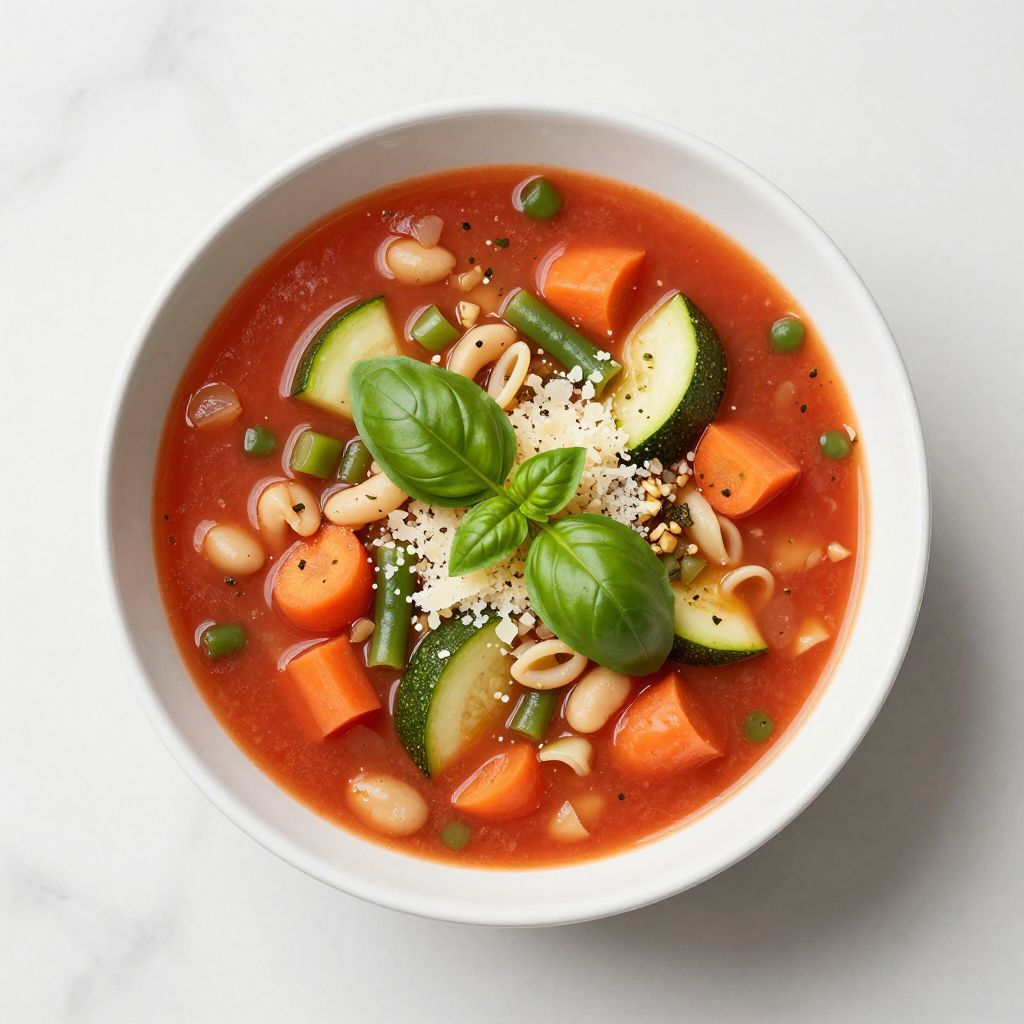
Authentic Italian Minestrone Soup
Ingredients
Equipment
Method
- Pour the extra virgin olive oil into your large pot and set it over medium heat until it shimmers gently.
- While the oil heats, dice your onion, carrots, and celery into small, uniform pieces.
- Add the diced onion, carrot, and celery to the hot oil and stir frequently for about 5 minutes until the vegetables soften and become fragrant.
- Stir in the minced garlic and cook for another 30 seconds to 1 minute until it becomes aromatic and slightly golden.
- Add the dried oregano and dried basil now, letting them bloom in the hot oil and release their flavors.
- Add the crushed tomatoes and broth to the pot, scraping up any browned bits stuck to the bottom with your wooden spoon.
- Bring the soup to a gentle boil, then reduce heat to maintain a steady simmer.
- Add the carrots and green beans to the simmering soup and cook for about 10 minutes.
- Add the zucchini and drained cannellini beans, stirring gently to combine.
- Add the small pasta to the simmering soup and stir occasionally to prevent sticking.
- Cook pasta for 8 to 10 minutes or according to the package instructions until tender but not mushy.
- Taste your soup and season with salt, freshly cracked black pepper, and red pepper flakes if using.
- Serve hot, garnished with fresh basil and grated Parmesan cheese if desired.