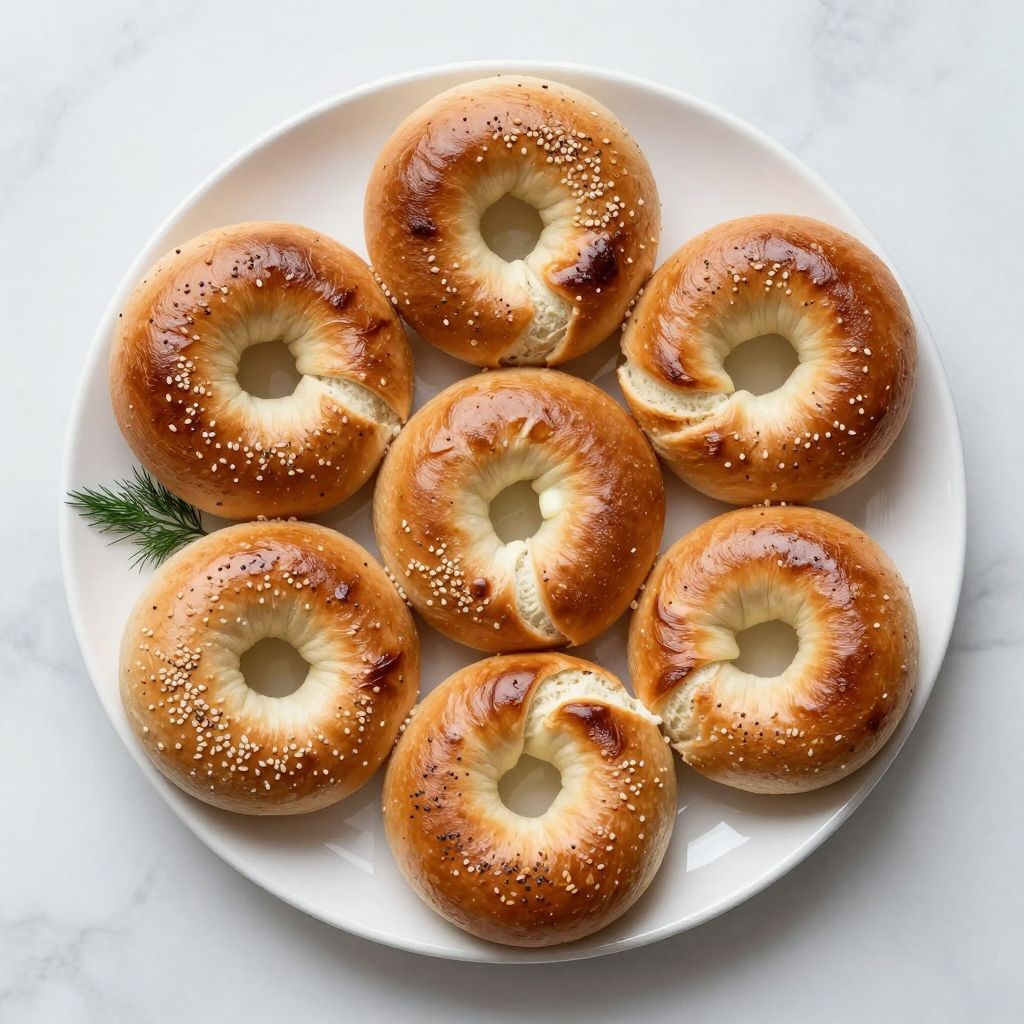
Yogurt bagels are tender, tangy, and infinitely more forgiving than traditional water bagels, thanks to the addition of creamy yogurt to the dough.
This recipe produces bagels with a softer crumb, subtle dairy richness, and a chewy exterior that rivals any bakery.
Whether you are a bagel enthusiast looking to master homemade versions or a baker seeking a foolproof dough, yogurt bagels deliver exceptional results with straightforward techniques.
Why You’ll Love This Recipe
Yogurt bagels hit that sweet spot between traditional New York-style bagels and everyday sandwich bread.
- Tangy flavor from yogurt creates depth without overpowering other toppings
- Softer, more forgiving dough means fewer failed batches and more success
- Quicker rise times compared to conventional bagel recipes
- Versatile enough for sweet or savory applications
- Freezes beautifully, so you can make a double batch and enjoy them for weeks
My Experience Making This Recipe
I first made yogurt bagels on a lazy Sunday morning when I had exactly half a container of Greek yogurt left in my fridge and zero plans for the day. The dough came together so smoothly that I knew immediately this method had real staying power.
My family devoured the first batch while they were still warm, and the yogurt tang paired beautifully with lox and cream cheese. The bagels stayed fresh for three days in a bag on the counter, which genuinely surprised me.
What really sold me was the texture: crispy outside, tender inside, and absolutely no dense, gummy crumb that sometimes haunts homemade bagels. I have made them at least a dozen times since.
Recipe Overview
- Recipe Name: Yogurt Bagels
- Servings: 8 bagels
- Prep Time: 15 minutes
- Cook Time: 25 minutes
- Total Time: 2 hours 20 minutes (includes rising and boiling)
- Course: Breakfast, Snack
- Cuisine: American, Jewish
- Calories per Serving: 210
Equipment You Will Need
- Large mixing bowl
- Stand mixer with dough hook attachment (or strong hands for kneading)
- Kitchen scale (highly recommended for precision)
- Measuring cups and spoons
- Dutch oven or large pot for boiling
- Slotted spoon or spider strainer
- Baking sheet lined with parchment paper
- Bench scraper or dough cutter
- Instant-read thermometer
Ingredients for Yogurt Bagels
- 500 grams bread flour (or 3 3/4 cups all-purpose flour)
- 200 grams plain yogurt (Greek or regular, room temperature)
- 240 milliliters water (approximately 1 cup, divided)
- 7 grams instant yeast (2 1/4 teaspoons)
- 10 grams salt (2 teaspoons)
- 5 grams sugar (1 teaspoon)
- 2 tablespoons honey (for boiling water)
- 2 tablespoons baking soda (for boiling water)
For Toppings (Optional)
- Sesame seeds, poppy seeds, everything bagel seasoning, or coarse salt
- 1 egg white mixed with 1 tablespoon water (for egg wash)
Ingredient Notes and Substitutions
- Yogurt: Yogurt hydrates the dough and adds tanginess while tenderizing the crumb structure. Substitute with sour cream at the same weight for a more pronounced sour flavor, though the texture will be slightly less tender.
- Bread flour: Its higher protein content creates chewiness and structure that defines a proper bagel. All-purpose flour works but produces a softer, less chewy result.
- Instant yeast: Fast-acting and reliable for a predictable rise. You can substitute active dry yeast at the same amount, though you may need to mix it into the dry ingredients first.
- Salt: Strengthens gluten and controls fermentation speed. Sea salt and table salt work identically here.
- Water: Adjust slightly if your yogurt is unusually thick or thin to reach the proper dough consistency.
- Honey and baking soda: The honey sweetens the boiling bath and develops bagel color, while baking soda creates the characteristic chewy exterior.
How to Make Yogurt Bagels
Step 1: Combine Dry Ingredients
Add bread flour, instant yeast, and salt to a large mixing bowl or the bowl of your stand mixer. Mixing yeast directly with flour prevents it from clumping and ensures even distribution throughout the dough.
Step 2: Mix Wet Ingredients
In a separate small bowl, combine yogurt, 180 milliliters of water, and sugar, stirring until well blended. Using room-temperature yogurt helps it incorporate smoothly without temperature shocks that can slow fermentation.
Step 3: Form the Dough
Pour the wet mixture into the dry ingredients and mix on medium speed with the dough hook for about 5 minutes, or knead by hand until a shaggy dough forms. If the dough feels dry and pulls away from the bowl sides, add the remaining water a tablespoon at a time until it becomes tacky but not sticky.
Step 4: Knead for Strength
Continue kneading for 8 to 10 minutes on medium-high speed until the dough becomes smooth, elastic, and slightly sticky to the touch. You should feel resistance when you pull the dough, which signals proper gluten development for chewy bagels.
Step 5: First Rise
Transfer the dough to a lightly oiled bowl, cover it with a damp kitchen towel, and let it rise at room temperature for 45 to 60 minutes until it increases in volume by about 50 percent. You want visible puffiness without the dough becoming so airy that it tears easily when shaped.
Step 6: Shape the Bagels
Turn the dough onto a lightly floured work surface and divide it into 8 equal pieces using a bench scraper or kitchen scale. Working with one piece at a time, roll it into a tight ball, then poke a hole through the center with your thumb and stretch it gently into a bagel shape with a 1-inch hole, aiming for a 3 to 4-inch diameter.
Step 7: Proof the Shaped Bagels
Arrange shaped bagels on a parchment-lined baking sheet, cover loosely with plastic wrap, and let them rest for 15 to 20 minutes at room temperature. During this time, the bagels will rise slightly and become less dense when boiled and baked.
Step 8: Prepare Boiling Water
Fill a large pot with about 3 quarts of water and bring it to a rolling boil, then stir in honey and baking soda until dissolved. The baking soda raises the pH of the water, which helps develop that characteristic mahogany-brown, chewy exterior.
Step 9: Boil the Bagels
Working in batches of 2 to 3 bagels at a time so the pot does not overcrowd, carefully drop bagels into the boiling water and let them simmer for 1 to 1.5 minutes per side. Boiling seals the exterior and stops the rise, creating that signature bagel texture, so timing matters here.
Step 10: Apply Toppings and Bake
Remove boiled bagels with a slotted spoon, place them on a clean baking sheet, brush lightly with egg wash if desired, and sprinkle with your choice of toppings immediately so they stick. Bake at 425 degrees Fahrenheit for 20 to 25 minutes until deep golden brown and crispy on the outside.
Step 11: Cool and Serve
Let bagels cool on a wire rack for at least 10 minutes before slicing, which allows the crumb to set properly and makes cutting cleaner. Warm bagels are delicious, but they cut better and taste best once they have cooled slightly.
Pro Tip: Do not skip the boiling step or rush it by skipping bagels in the water, as boiling is what separates a real bagel from dense bread shaped like a bagel.
Tips for the Best Yogurt Bagels
- Use a kitchen scale to weigh flour and yogurt, which eliminates guesswork and produces consistent results every time you bake.
- Keep your dough temperature around 75 to 80 degrees Fahrenheit during fermentation; cooler environments slow rising significantly.
- Do not overproof the shaped bagels, or they will flatten during boiling and lose their distinctive bagel shape and chew.
- Toast day-old bagels to refresh them and restore crispiness to the exterior while keeping the interior tender.
- Experiment with yogurt brands; Greek yogurt creates thicker, more tender crumb, while thinner regular yogurt produces slightly chewier results.
- Store cooled bagels in a sealed bag at room temperature for up to 3 days, which keeps them fresher than an open bag.
Common Mistakes to Avoid
- Adding too much water: Excess water creates mushy, dense crumb and bagels that spread flat instead of holding shape during boiling.
- Skipping or shortening the boil: Bagels boiled for less than 1 minute per side taste more like bread than proper bagels, lacking that chewy, sealed exterior.
- Using cold yogurt: Cold yogurt can shock the dough temperature and significantly slow fermentation, pushing your timeline back by 30 to 60 minutes.
- Proofing too long: Overproofed shaped bagels become puffy and collapse during boiling, resulting in dense, flat bagels instead of proper chewy ones.
- Skipping egg wash: While optional, egg wash helps toppings stick and creates a glossy, attractive finish that store-bought bagels have.
Serving Suggestions
Yogurt bagels shine with both classic toppings and creative combinations that highlight their tangy undertone.
- Lox, cream cheese, red onion, capers, and fresh dill for the traditional experience
- Almond butter, sliced banana, and a drizzle of honey for a sweet breakfast option
- Egg salad with crispy bacon and fresh lettuce for a satisfying lunch sandwich
- Hummus, roasted red peppers, cucumber, and feta cheese for a Mediterranean-inspired bagel
- Peanut butter, jam, and a sprinkle of granola for a simple sweet treat
Variations to Try
- Everything Bagels: Mix sesame seeds, poppy seeds, dried garlic, dried onion, and coarse salt into the topping mixture before the egg wash, creating a savory powerhouse that pairs perfectly with cream cheese and lox.
- Whole Wheat Yogurt Bagels: Substitute 100 grams of bread flour with whole wheat flour for a nuttier flavor and heartier texture, though expect slightly less chewiness and a denser crumb.
- Cinnamon Raisin Bagels: Add 1 teaspoon of cinnamon and 75 grams of raisins to the dough after kneading, creating a subtly sweet bagel that works beautifully with cream cheese or cinnamon butter.
- Herb and Cheese Bagels: Mix 50 grams of shredded sharp cheddar and 1 teaspoon of dried Italian herbs into the dough, plus extra cheese on top before baking for a savory, aromatic bagel.
- Blueberry Yogurt Bagels: Add 100 grams of fresh or frozen blueberries and 15 grams of sugar to the dough, creating a subtle berry flavor that works beautifully for breakfast with plain cream cheese.
Dietary Adaptations
- Gluten-Free: Replace bread flour with a high-quality gluten-free flour blend that includes xanthan gum or psyllium husk; you may need slightly less water since gluten-free flours absorb differently, so add gradually.
- Dairy-Free: Substitute yogurt with unsweetened plant-based yogurt like oat or soy yogurt at the same weight; the bagels will lose some tanginess but remain tender.
- Vegan: Use dairy-free yogurt and skip the egg wash or brush bagels with a mixture of aquafaba and water for shine and topping adhesion.
- Low-Carb and Keto: This recipe is not easily adapted to keto without completely changing the base ingredient profile, as bagels rely on flour for their structure and chewy texture that low-carb alternatives cannot replicate.
Storage and Reheating
Refrigerator
Store cooled bagels in a sealed plastic bag or airtight container in the refrigerator for up to 5 days, which keeps them fresher than room temperature storage.
- Slice and reheat in a toaster oven at 350 degrees Fahrenheit for 5 minutes to restore crispiness
- Store in a single layer to prevent them from sticking together
Freezer
Freeze bagels in a sealed freezer bag for up to 3 months; they thaw quickly and toast beautifully, making them perfect for meal prep.
- Slice bagels before freezing so you can toast individual halves directly from the freezer
- Use a vacuum sealer to prevent freezer burn and extend storage life to 6 months
Reheating
Toasting is the best method to restore texture and crispiness to stored bagels.
- Toast frozen bagel halves directly in a toaster oven at 375 degrees Fahrenheit for 8 to 10 minutes until heated through
- For a softer bagel, wrap it in a damp paper towel and microwave for 30 to 45 seconds, though this method sacrifices crispiness
Nutrition Information
| Nutrient | Amount |
|---|---|
| Calories | 210 |
| Total Fat | 2.5 grams |
| Saturated Fat | 0.5 grams |
| Carbohydrates | 42 grams |
| Fiber | 2 grams |
| Sugar | 2 grams |
| Protein | 8 grams |
| Sodium | 480 milligrams |
| Cholesterol | 0 milligrams |
Nutritional values are approximate and calculated using standard USDA database entries; actual values vary based on ingredient brands and preparation methods.
Frequently Asked Questions
Can I use non-Greek yogurt instead of Greek yogurt?
Yes, regular yogurt works perfectly fine at the same weight, though you may get a slightly softer crumb. Add water gradually when mixing since regular yogurt is thinner than Greek yogurt.
How far ahead can I shape the bagels?
You can shape bagels up to 8 hours in advance by placing them on a baking sheet, covering with plastic wrap, and refrigerating them overnight. Let them come to room temperature for 15 to 20 minutes before boiling.
Why did my bagels turn out dense instead of chewy?
Dense bagels typically result from insufficient boiling time, too much water in the dough, or overproofing the shaped bagels. Make sure each side boils for at least 1 minute and watch your dough hydration closely.
Can I boil the bagels the day before baking them?
It is not recommended, as boiled bagels lose their exterior texture quickly and develop an unappetizing crust. Boil and bake on the same day for best results.
What does the baking soda in the boiling water actually do?
Baking soda raises the pH of the water, which causes the bagel surface to brown more quickly and creates that characteristic chewy, pretzel-like crust. This is the same principle used in traditional bagel-making and soft pretzel recipes.
My bagels spread flat after boiling; what went wrong?
Flat bagels indicate overproofing before boiling; the dough was too puffed up and lost structure in the water. Reduce your proof time to 15 to 20 minutes and check that bagels feel slightly puffy but not overly airy before boiling.
Final Thoughts
Homemade yogurt bagels are simpler than you might think and deliver bakery-quality results in about
Yogurt Bagels
Ingredients
Equipment
Method
- Add bread flour, instant yeast, and salt to a large mixing bowl or the bowl of your stand mixer. Mix yeast directly with flour to prevent clumping and ensure even distribution.
- In a separate small bowl, combine yogurt, 180 milliliters of water, and sugar. Stir until well blended.
- Pour the wet mixture into the dry ingredients and mix on medium speed with the dough hook for about 5 minutes or knead by hand until a shaggy dough forms. If the dough feels dry and pulls away from the bowl sides, add the remaining water a tablespoon at a time until tacky but not sticky.
- Continue kneading for 8 to 10 minutes on medium-high speed until the dough becomes smooth, elastic, and slightly sticky to the touch.
- Transfer the dough to a lightly oiled bowl, cover with a damp kitchen towel, and let rise at room temperature for 45 to 60 minutes until it increases in volume by about 50 percent.
- Turn the dough onto a lightly floured surface and divide into 8 equal pieces. Roll each piece into a tight ball, poke a hole through the center with your thumb, and stretch gently into a bagel shape with a 1-inch hole, aiming for a 3 to 4-inch diameter.
- Arrange shaped bagels on a parchment-lined baking sheet, cover loosely with plastic wrap, and let rest for 15 to 20 minutes at room temperature.
- Fill a large pot with about 3 quarts of water and bring to a rolling boil. Stir in honey and baking soda until dissolved.
- Working in batches of 2 to 3 bagels, carefully drop bagels into boiling water and simmer for 1 to 1.5 minutes per side.
- Remove boiled bagels with a slotted spoon, place on a clean baking sheet, brush lightly with egg wash if desired, and immediately sprinkle with toppings.
- Bake bagels at 425 degrees Fahrenheit for 20 to 25 minutes until deep golden brown and crispy on the outside.
- Let bagels cool on a wire rack for at least 10 minutes before slicing and serving.