Swamp cabbage recipe is a Southern classic that transforms the tender heart of the cabbage palm into a savory, buttery side dish that tastes nothing like ordinary cooked cabbage.
If you’ve never tried swamp cabbage before, prepare yourself for a mild, slightly sweet vegetable that soaks up flavors beautifully and becomes tender and delicious with minimal effort. This humble dish pairs with everything from fried chicken to grilled fish, making it a kitchen workhorse in Florida and across the South.
Why You’ll Love This Recipe
Swamp cabbage is one of those dishes that feels fancy enough for a dinner party but simple enough to throw together on a Tuesday night. It’s budget-friendly, comes together in under 30 minutes, and delivers genuine comfort in every bite.
- Simple ingredient list with pantry staples you likely already have on hand.
- Ready to serve in about 20 minutes from start to finish.
- Pairs beautifully with any main protein or as a standalone side.
- Naturally low-carb and vegetable-forward for balanced meals.
- Reheats well and tastes just as good the next day.
My Experience Making This Recipe
I first encountered swamp cabbage at a family gathering in Central Florida, where my aunt served it alongside pulled pork and cornbread. The moment I tasted it, I understood why this dish has stayed popular for generations in the region.
What surprised me most was how tender the swamp cabbage became after just a few minutes of cooking. The heart of the palm is naturally delicate, so it doesn’t require the long cooking times that regular cabbage needs.
Since that first experience, I’ve made this recipe dozens of times, experimenting with different seasonings and add-ins. Every version turns out delicious, but the basic version with just butter, garlic, and salt remains my favorite because it lets the subtle flavor of the vegetable shine through.
Recipe Overview
- Recipe Name: Swamp Cabbage
- Servings: 4
- Prep Time: 10 minutes
- Cook Time: 15 minutes
- Total Time: 25 minutes
- Course: Side Dish
- Cuisine: Southern
- Calories per Serving: 85
Equipment You Will Need
- Large skillet or chef’s pan with a lid
- Sharp chef’s knife for chopping
- Cutting board
- Wooden spoon for stirring
- Measuring spoons and cups
- Tongs or slotted spoon for turning vegetables
Ingredients for Swamp Cabbage Recipe
- Fresh swamp cabbage hearts, 2 pounds, chopped into 1-inch pieces
- Butter, 4 tablespoons
- Garlic cloves, 4, minced
- Salt, 1 teaspoon
- Black pepper, 1/2 teaspoon
- Water or vegetable broth, 1/4 cup
- Red pepper flakes, 1/4 teaspoon (optional)
Ingredient Notes and Substitutions
- Fresh swamp cabbage hearts are the traditional choice because they have a delicate texture that cooks down beautifully. If you cannot find swamp cabbage locally, frozen swamp cabbage works just fine and requires no additional prep work.
- Butter adds richness and helps the garlic infuse into the vegetables. Olive oil creates a lighter version with a slightly different flavor profile, though it lacks the same silky mouthfeel.
- Garlic is the primary seasoning that makes this dish memorable. Shallots can replace garlic for a sweeter, more subtle onion flavor, though you will need to use about twice the amount.
- Water keeps the vegetables moist during cooking without adding competing flavors. Vegetable or chicken broth adds depth and works especially well if serving with a meat-based main course.
- Red pepper flakes bring a subtle heat that complements the mild vegetable. Fresh jalapeños chopped and added to the pan offer more texture and a fresher flavor.
How to Make Swamp Cabbage Recipe
Step 1: Prepare the Swamp Cabbage
Rinse your fresh swamp cabbage hearts under cool running water and pat them dry with paper towels. Chop them into 1-inch pieces, removing any tough or discolored outer layers as you go. Dry vegetables cook more evenly and brown better, so don’t skip the drying step.
Step 2: Heat Your Skillet
Place a large skillet over medium-high heat and add the butter. Let the butter melt completely and just begin to foam, which takes about 1 minute. Foaming butter signals that it is hot enough to cook the vegetables properly without sticking.
Step 3: Cook the Garlic
Add the minced garlic to the hot butter and stir constantly for about 30 seconds until it becomes fragrant. Be careful not to let the garlic burn, which happens quickly and creates a bitter taste that ruins the entire dish.
Step 4: Add the Swamp Cabbage
Pour all the chopped swamp cabbage into the skillet and stir well, coating everything with the buttery garlic mixture. The pile will look large, but the vegetables will quickly wilt down as they cook.
Step 5: Season the Vegetables
Sprinkle the salt, black pepper, and red pepper flakes (if using) over the swamp cabbage and toss everything together. Seasoning now allows the salt to begin drawing moisture from the vegetables and distributing flavors evenly.
Step 6: Add Liquid and Cover
Pour the water or broth over the vegetables and cover the skillet with a lid or a piece of aluminum foil. The liquid creates steam that helps soften the swamp cabbage hearts while keeping them moist.
Step 7: Cook Until Tender
Reduce the heat to medium and let the vegetables cook for about 10 to 12 minutes, stirring occasionally. The swamp cabbage is done when a fork easily pierces the largest pieces and the vegetables have turned a slightly darker green.
Step 8: Finish and Taste
Remove the lid and let any excess liquid cook off over the last minute of cooking. Taste the finished dish and add more salt and pepper if needed, then transfer to a serving bowl.
Pro Tip: If your swamp cabbage releases more liquid than expected during cooking, simply remove the lid earlier and let it cook uncovered for a drier final result.
Tips for the Best Swamp Cabbage Recipe
- Buy your swamp cabbage from a farmers market or specialty grocery store when possible, as it is fresher and more tender than older supermarket varieties. Fresh swamp cabbage tastes noticeably better and requires less cooking time.
- Don’t overcrowd your skillet when you first add the vegetables. Work in batches if necessary to ensure proper browning and even cooking throughout.
- Keep your heat at medium or medium-high, never screaming high. High heat causes the butter to burn and the outside of the vegetables to char before the inside becomes tender.
- Stir the vegetables every couple of minutes to ensure they cook evenly and absorb the buttery garlic mixture throughout. This also prevents sticking and burning on the bottom.
- Save any pan drippings and drizzle them over the finished dish just before serving. These concentrated flavors are liquid gold and add incredible depth.
- Add crispy bacon bits or diced ham in the final minute of cooking for extra richness. A quarter pound of cooked, crumbled bacon transforms this into a heartier side dish.
Common Mistakes to Avoid
- Using old or discolored swamp cabbage results in tough, fibrous vegetables that never become tender no matter how long you cook them. Always inspect your swamp cabbage and discard any pieces that look brown or slimy.
- Cooking the garlic too long or at too high a temperature creates a burnt, bitter flavor that dominates the dish. Add garlic only after the butter is foaming and cook for just 30 seconds before adding other ingredients.
- Skipping the liquid step leaves the vegetables too dry and causes them to stick to the pan. The water or broth is essential for steaming the vegetables tender.
- Cooking without a lid allows too much moisture to escape, leaving the swamp cabbage dry and tough instead of tender and silky. Keep the lid on for most of the cooking time.
- Seasoning only at the end means the salt never properly seasons the vegetables throughout. Season early so flavors penetrate into every piece.
Serving Suggestions
Swamp cabbage pairs beautifully with any Southern main course, from fried chicken to grilled fish to barbecued ribs. Its mild flavor complements bold, smoky, or spicy proteins without competing for attention.
- Serve alongside fried chicken and cornbread for a classic Southern plate.
- Pair with grilled fish or shrimp for a lighter, coastal-inspired meal.
- Offer as a side to barbecued pork or beef for a traditional low-country combination.
- Combine with rice and beans for a vegetarian main course that feels satisfying and complete.
- Include on a dinner table with other vegetables like mac and cheese or collard greens for maximum Southern comfort.
Variations to Try
- Creamy Swamp Cabbage: Stir in half a cup of heavy cream or sour cream in the final minute of cooking for a rich, luxurious version that feels more restaurant-quality.
- Cajun-Style Swamp Cabbage: Add diced bell peppers, onions, and celery along with the swamp cabbage, then season with Cajun spice blend for a more robust flavor profile inspired by Louisiana cooking.
- Garlic Parmesan Swamp Cabbage: Finish the cooked vegetables with a handful of freshly grated Parmesan cheese and a squeeze of fresh lemon juice for a bright, tangy twist.
- Spicy Swamp Cabbage: Increase the red pepper flakes to half a teaspoon and add a pinch of cayenne pepper for heat that builds gradually and lingers pleasantly.
- Smoked Swamp Cabbage: Stir in bacon bits and a teaspoon of smoked paprika to create a deeper, smokier flavor that pairs incredibly well with grilled meats.
Dietary Adaptations
- Gluten-Free: This recipe is naturally gluten-free since it contains no grains or processed ingredients, making it safe for anyone avoiding gluten.
- Dairy-Free: Replace butter with olive oil or coconut oil in equal amounts, and skip any cheese toppings for a fully dairy-free version with only a minor flavor change.
- Vegan: Use olive oil instead of butter and skip bacon or ham toppings to create a completely plant-based side dish that remains delicious.
- Low-Carb and Keto: Swamp cabbage is naturally low in carbohydrates, making it perfect for keto diets without any modifications necessary.
Storage and Reheating
Refrigerator
Store cooled swamp cabbage in an airtight container in the refrigerator for up to four days. The flavors actually deepen slightly as the dish sits, making it taste even better the next day.
- Let the cooked swamp cabbage cool to room temperature before storing to prevent condensation and sogginess.
- Keep it away from raw meats and other uncooked items to prevent cross-contamination.
Freezer
Swamp cabbage freezes beautifully for up to three months, though the texture becomes slightly softer after thawing. Freeze it in a single layer on a baking sheet first, then transfer to freezer bags for easier portioning.
- Use frozen swamp cabbage within three months for the best flavor.
- Thaw in the refrigerator overnight before reheating to preserve texture.
Reheating
Reheat swamp cabbage gently in a skillet over medium heat with a splash of water or broth to restore moisture. It takes about five minutes to heat through completely.
- Avoid microwaving, which can make the vegetables mushy and unappetizing.
- Stir occasionally while reheating to ensure even warmth throughout.
Nutrition Information
| Nutrient | Amount |
|---|---|
| Calories | 85 |
| Total Fat | 7g |
| Saturated Fat | 4g |
| Carbohydrates | 5g |
| Fiber | 2g |
| Sugar | 1g |
| Protein | 2g |
| Sodium | 420mg |
| Cholesterol | 18mg |
These values are approximate and based on standard ingredient measurements. Individual nutrition will vary based on specific brands used and exact portion sizes served.
Frequently Asked Questions
What exactly is swamp cabbage?
Swamp cabbage is the tender heart of the cabbage palm, a plant native to Florida and other subtropical regions. It has a mild, slightly sweet flavor that is completely different from regular green or red cabbage.
Can I use frozen swamp cabbage instead of fresh?
Absolutely, frozen swamp cabbage works perfectly in this recipe and requires no thawing before cooking. The only difference is that frozen versions may release slightly more liquid during cooking, so you might need to drain some off halfway through.
Where can I buy swamp cabbage?
Fresh swamp cabbage is most commonly found at farmers markets and specialty grocery stores in Florida and the Southeast. If you cannot find it locally, frozen swamp cabbage is widely available at major supermarkets year-round.
Can I make this recipe ahead of time?
Yes, swamp cabbage reheats beautifully and actually tastes better after sitting overnight as the flavors meld and deepen. Prepare it completely, cool it, and refrigerate until you are ready to reheat and serve.
What should I do if my swamp cabbage tastes bitter?
Bitterness usually comes from burnt garlic or overcooked vegetables, both of which are prevented by using medium heat and cooking for the exact time listed. If your batch is bitter, add a pinch of sugar to balance the flavor.
Can I add other vegetables to this dish?
Yes, diced bell peppers, onions, or mushrooms all complement swamp cabbage beautifully. Add them when you add the garlic so they cook together and develop deep, caramelized flavors.
Final Thoughts
Swamp cabbage recipe deserves a place in your regular cooking rotation because it is easy, forgiving, and tastes absolutely delicious. Once you master this basic version, you will find yourself making it again and again for family dinners and entertaining.
Give this recipe a try the next time you spot fresh swamp cabbage at your local market. I promise that this simple side dish will become one of your favorite go-to recipes, and you will be amazed at how such humble ingredients create such memorable flavors.
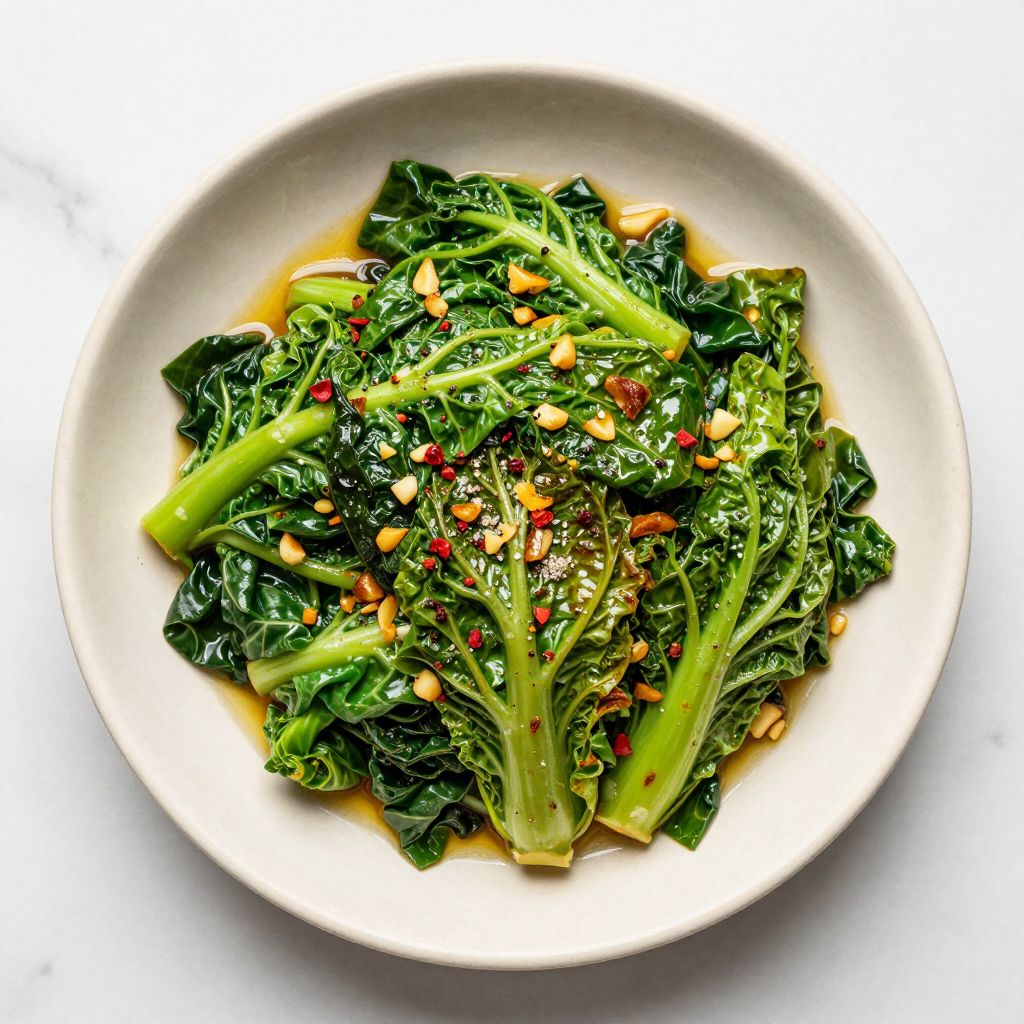
Swamp Cabbage
Ingredients
Equipment
Method
- Rinse fresh swamp cabbage hearts under cool running water and pat dry with paper towels. Chop into 1-inch pieces, removing any tough or discolored outer layers.
- Place a large skillet over medium-high heat and add butter. Let butter melt completely and begin to foam, about 1 minute.
- Add minced garlic to the hot butter and stir constantly for about 30 seconds until fragrant. Avoid burning the garlic.
- Add chopped swamp cabbage to the skillet and stir well to coat with buttery garlic mixture.
- Sprinkle salt, black pepper, and red pepper flakes (if using) over the vegetables and toss to combine.
- Pour water or vegetable broth over the vegetables and cover skillet with a lid or aluminum foil.
- Reduce heat to medium and cook, stirring occasionally, for 10 to 12 minutes until tender and a fork pierces the largest pieces easily.
- Remove lid and cook uncovered for about 1 minute to evaporate excess liquid if necessary.
- Taste and adjust seasoning with additional salt and pepper if needed. Transfer to a serving bowl and serve.