Rose water is one of those magical kitchen staples that transforms both sweet and savory dishes with just a few drops of floral elegance. Making your own rose water recipe at home is simpler than you’d think, requiring only fresh roses and water to create a fragrant liquid that tastes infinitely better than store-bought versions. Whether you’re planning to use it in Persian desserts, cocktails, or skincare, homemade rose water delivers authentic flavor and aroma that commercial products simply can’t match.
This guide walks you through the entire process, from selecting the right roses to storing your finished product for months of culinary enjoyment. Let’s get started.
Why You’ll Love This Recipe
Homemade rose water costs a fraction of what you’d pay for quality bottles, and you control exactly what goes into it. The flavor is noticeably more delicate and pure than commercial versions, which often contain additives or artificial components.
- Pure, fragrant rose water ready in under an hour
- Uses only two simple ingredients: roses and water
- Perfect for baking, beverages, skincare, and aromatherapy
- Stores for months in the refrigerator or freezer
- Significantly cheaper than buying bottled versions
My Experience Making This Recipe
The first time I made rose water, I was skeptical that something so simple could yield such a potent result. Within minutes of heating the roses, my entire kitchen filled with the most intoxicating floral aroma, and I knew I’d never buy store-bought again.
I’ve since made it dozens of times for everything from rosewater shortbread to cocktails, and guests consistently ask where I sourced such high-quality rose water. The best part is watching their faces when I tell them I made it myself in less than an hour.
My family now requests it regularly, especially when I bake Persian desserts or make homemade cosmetics. It’s become one of those recipes I make in batches and gift to friends, always with the proud knowledge that I created something truly special.
Recipe Overview
- Recipe Name: Homemade Rose Water
- Servings: Makes approximately 1 to 2 cups of rose water
- Prep Time: 10 minutes
- Cook Time: 30 to 45 minutes
- Total Time: 40 to 55 minutes
- Course: Condiment or Ingredient
- Cuisine: Persian, Middle Eastern, Global
- Calories per Serving: 0 calories (negligible)
Equipment You Will Need
- Large stainless steel pot with a lid
- Heat-safe glass bowl or metal bowl that fits inside the pot
- Long-handled spoon for stirring
- Cheesecloth or fine mesh strainer
- Glass bottles or jars for storage
- Thermometer (optional but helpful)
- Measuring cups
- Funnel (optional)
Ingredients for Rose Water
- Fresh rose petals: 2 to 3 cups, pesticide-free and unsprayed
- Distilled water: 3 to 4 cups
Ingredient Notes and Substitutions
- Fresh rose petals are the foundation of this recipe because they contain the volatile oils that create the signature floral aroma and flavor. If fresh roses aren’t available, dried rose petals work, but use half the quantity and expect slightly less intensity.
- Distilled water prevents mineral buildup and ensures a pure, clean final product. Tap water works in a pinch, but distilled water produces superior results and longer shelf stability.
How to Make Rose Water
Step 1: Select and Prepare Your Roses
Start with fresh, pesticide-free roses from a farmers market, florist, or your own garden rather than grocery store bouquets, which are typically treated with chemicals. Gently rinse the petals under cool water and pat them dry with a clean kitchen towel to remove any dirt or debris.
Step 2: Fill Your Pot with Water
Pour 3 to 4 cups of distilled water into your large pot and bring it to a gentle boil over medium heat. You need enough water to create steam, which will carry the rose oils into your collection vessel.
Step 3: Prepare Your Distillation Setup
Once the water boils, place a heat-safe glass or metal bowl upside down in the center of the pot, positioning it so it rests on the bottom without touching the boiling water. This inverted bowl will collect the condensed rose water as it drips down.
Step 4: Add the Rose Petals
Scatter your fresh rose petals around the inverted bowl in the hot water, being careful not to burn yourself from the steam. The petals will release their essential oils into the water, and those oils will vaporize and condense on the lid above.
Step 5: Cover and Seal the Pot
Place the pot lid on top, but invert it so the underside faces the rose petals, creating a dome that traps the steam. This setup is crucial because the condensing steam will drip down into your collection bowl underneath.
Step 6: Monitor the Distillation Process
Reduce the heat to medium-low to maintain a gentle, consistent simmer for 30 to 45 minutes. You’ll see droplets forming on the inside of the inverted lid and dripping into the bowl below, which is exactly what you want.
Step 7: Check for Completion
After about 30 minutes, you should have collected a noticeable amount of fragrant rose water in your collection bowl. You’ll know it’s ready when the liquid smells distinctly of roses and has a pale pink or clear appearance.
Step 8: Cool and Strain
Carefully remove the pot from heat and allow it to cool for several minutes until it’s safe to handle. Use a fine mesh strainer or cheesecloth to pour the collected rose water into a clean glass bottle, discarding any rose petals or debris.
Step 9: Store Properly
Pour your finished rose water into sterilized glass bottles and seal them tightly. Store in the refrigerator for up to 3 months or freeze for up to 1 year for long-term preservation.
Pro Tip: If you want extra-strong rose water, repeat the entire process using your first batch of rose water instead of distilled water, infusing it with a fresh batch of petals for intensified flavor and aroma.
Tips for the Best Rose Water
- Use the most fragrant roses you can find, typically old-fashioned garden varieties or roses from specialty florists, not grocery store arrangements. The more aromatic the starting roses, the more potent your finished product.
- Keep your heat low and steady rather than rolling boil, which accelerates evaporation and reduces the amount of condensation you collect. Patience here truly pays off with a higher yield.
- If your lid doesn’t seal well, wrap the edges with a damp kitchen towel to trap more steam and improve condensation. This simple trick can increase your rose water yield by 25 percent or more.
- Collect the rose water multiple times throughout the simmering process by carefully tilting the collection bowl and pouring into a separate container. This prevents the bowl from overflowing and allows you to assess quality as you go.
- Invest in distilled water rather than using tap water, which contains minerals that cloud the final product and reduce shelf stability. Your rose water will be clearer, cleaner-tasting, and last significantly longer.
- Label your bottles with the date and storage location so you remember to use them within the proper timeframe. Frozen rose water lasts about a year, while refrigerated versions stay fresh for 3 months.
Common Mistakes to Avoid
- Using treated florist roses instead of pesticide-free varieties introduces chemicals into your rose water, creating an off-flavor and potential health concerns. Always source from farmers markets, specialty florists, or your own garden.
- Boiling the water too vigorously causes excessive evaporation, leaving less water for condensation and reducing your final yield significantly. Keep the heat moderate and consistent throughout the process.
- Forgetting to invert the lid creates a flat surface instead of a dome, which prevents condensation from dripping properly into your collection bowl. This simple setup error can cut your yield in half.
- Overheating the rose petals by letting them simmer directly in boiling water creates a bitter, cooked flavor instead of the delicate floral notes you want. The indirect steam distillation method keeps petals from overheating.
- Storing rose water in clear plastic bottles or leaving it on the counter exposes it to light and air, causing degradation and shortened shelf life. Always use dark glass bottles and refrigerate or freeze immediately after cooling.
Serving Suggestions
Homemade rose water shines in both sweet and savory applications, from Persian desserts to craft cocktails and skincare formulations. A few drops transform ordinary dishes into something restaurant-worthy and distinctly fragrant.
- Drizzle into whipped cream, ice cream, or yogurt for an elegant dessert topping
- Mix into lemonade or iced tea for a sophisticated floral beverage
- Add to cocktails like gin fizzes, champagne cocktails, or rosewater martinis
- Sprinkle over fresh fruit salads or use in fruit preserves
- Stir into homemade face masks or toners for skincare benefits
Variations to Try
- Orange blossom water uses the same distillation method but substitutes fresh orange blossoms for rose petals, creating a citrus-floral ingredient perfect for Moroccan and Middle Eastern desserts. The flavor is lighter and more delicate than rose water.
- Hibiscus water follows the identical process but uses dried hibiscus flowers, yielding a tart, ruby-colored liquid that adds sophistication to beverages and desserts. It has a slightly tart edge compared to the sweet floral profile of rose water.
- Double-strength rose water repeats the distillation process using your first batch of rose water as the liquid base, concentrating the floral flavor and aroma for deeper impact. Use this sparingly since it’s much more potent than single-distilled versions.
- Rose water with cardamom adds 4 to 5 cracked green cardamom pods to the original rose petals during distillation, creating a warm, spiced floral notes perfect for South Asian desserts. The cardamom adds complexity without overpowering the rose.
- Culinary versus cosmetic grade separates based on distillation method and purity, with culinary versions prioritizing taste and cosmetic versions prioritizing skin safety. For cooking, use only rose water you’ve made yourself or labeled specifically as culinary-grade.
Dietary Adaptations
- Gluten-free: Rose water is naturally gluten-free in its pure form, making it safe for celiac and gluten-sensitive diets. No substitutions needed.
- Dairy-free: Rose water contains no dairy and works beautifully in dairy-free recipes from coconut ice cream to plant-based custards. It’s an excellent ingredient for vegan baking without any alterations.
- Vegan and vegetarian: Rose water is completely plant-based and suitable for all vegan and vegetarian diets without modification. It’s a staple in plant-based Persian and Middle Eastern cuisines.
- Low-carb and keto: Rose water is virtually carb-free with negligible calories, making it ideal for low-carb and keto cooking. Use it to flavor keto-friendly desserts without impacting macronutrient ratios.
Storage and Reheating
Refrigerator
Store your rose water in a tightly sealed glass bottle in the coldest part of your refrigerator, where it stays fresh for up to 3 months. Check occasionally for any discoloration or off-odors, which indicate spoilage.
- Keep bottles sealed between uses to prevent contamination and evaporation
- Store away from strong-smelling foods that might transfer odors
- Use a clean spoon or dropper to dispense, never dip fingers directly into the bottle
Freezer
Rose water freezes beautifully in ice cube trays or small glass bottles, extending shelf life to approximately 1 year. Frozen rose water maintains its flavor and aroma better than refrigerated versions over extended storage.
- Pour into ice cube trays and freeze, then transfer cubes to freezer bags for convenient portioning
- Label with the date so you track how long it’s been frozen
- Thaw at room temperature before using, or add frozen cubes directly to warm beverages
Reheating
Rose water requires no reheating since it’s already prepared and doesn’t degrade from cold temperatures. Simply thaw if frozen and use as needed in recipes both hot and cold.
- Add to hot beverages or cooking liquids directly from frozen
- Thaw completely at room temperature for best flavor in cold applications
- Never boil rose water as heat can diminish delicate floral notes
Nutrition Information
| Nutrient | Amount |
|---|---|
| Calories | 0 |
| Total Fat | 0g |
| Saturated Fat | 0g |
| Carbohydrates | 0g |
| Fiber | 0g |
| Sugar | 0g |
| Protein | 0g |
| Sodium | 0mg |
| Cholesterol | 0mg |
Rose water contains virtually no calories or macronutrients since it’s primarily water infused with floral oils in trace amounts. Its value lies in flavor and aromatic properties rather than nutritional content.
Frequently Asked Questions
Can I use dried rose petals instead of fresh?
Yes, dried rose petals work well and sometimes produce a more concentrated flavor since they’ve lost water weight. Use about half the quantity of dried petals compared to fresh, as they’re more potent.
How do I know if my rose water has gone bad?
Spoiled rose water develops a sour or fermented smell, shows visible mold, or changes color significantly. When in doubt, discard it and start fresh.
Can I use roses from my garden?
Absolutely, as long as they’ve never been treated with pesticides or chemical sprays. Homegrown roses often produce the most fragrant rose water since they’re typically more aromatic varieties.
What’s the difference between rose water and rose extract?
Rose water is a distilled, diluted infusion with a delicate flavor, while rose extract is a concentrated essence that’s much stronger. Rose extract requires only a few drops, whereas rose water can be used more liberally in recipes.
Can I make this in a slow cooker instead?
A slow cooker doesn’t generate enough steam for proper distillation, so stick with the stovetop method for best results. The direct heat and steam production are essential to the process.
Is homemade rose water safe for skincare?
Rose water you’ve made yourself from pesticide-free roses is generally safe for skincare, though it’s less refined than commercial cosmetic-grade versions. If you have sensitive skin, patch-test first and consider using only culinary-grade rose water on your face.
Final Thoughts
Making your own rose water transforms a simple two-ingredient pantry staple into something genuinely special. The process takes less than an hour, costs pennies, and delivers results that rival expensive bottled versions.
Once you’ve tasted homemade rose water in a dessert or beverage, you’ll wonder why you ever settled for store-bought. Start with the basic recipe, and soon you’ll be experimenting with variations and sharing your fragrant creations with everyone you know.
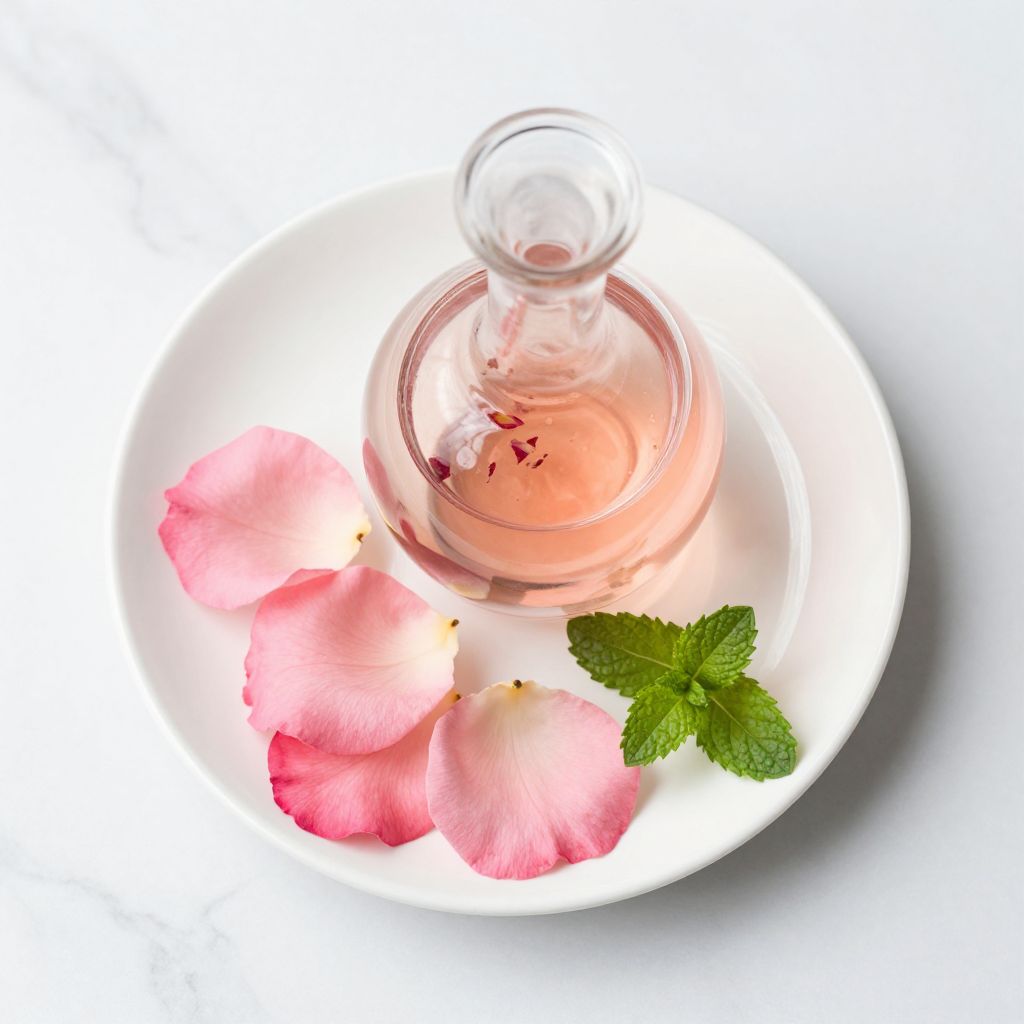
Homemade Rose Water
Ingredients
Equipment
Method
- Start with fresh, pesticide-free rose petals. Gently rinse them under cool water and pat dry with a clean kitchen towel to remove any dirt or debris.
- Pour 3 to 4 cups of distilled water into a large stainless steel pot and bring it to a gentle boil over medium heat.
- Place a heat-safe glass or metal bowl upside down in the center of the pot, ensuring it rests on the bottom without touching the water.
- Scatter the fresh rose petals around the inverted bowl in the pot, being careful to avoid steam burns.
- Place the pot lid inverted (upside down) on top of the pot so the underside faces the rose petals, creating a dome that traps the steam.
- Reduce the heat to medium-low and simmer gently for 30 to 45 minutes, allowing steam to condense on the lid and drip into the collection bowl.
- After simmering, carefully remove the pot from heat and allow it to cool for several minutes.
- Pour the collected rose water from the bowl through a fine mesh strainer or cheesecloth into a clean glass bottle, discarding any petals or debris.
- Seal the glass bottle tightly and store rose water in the refrigerator for up to 3 months or freeze for up to 1 year.