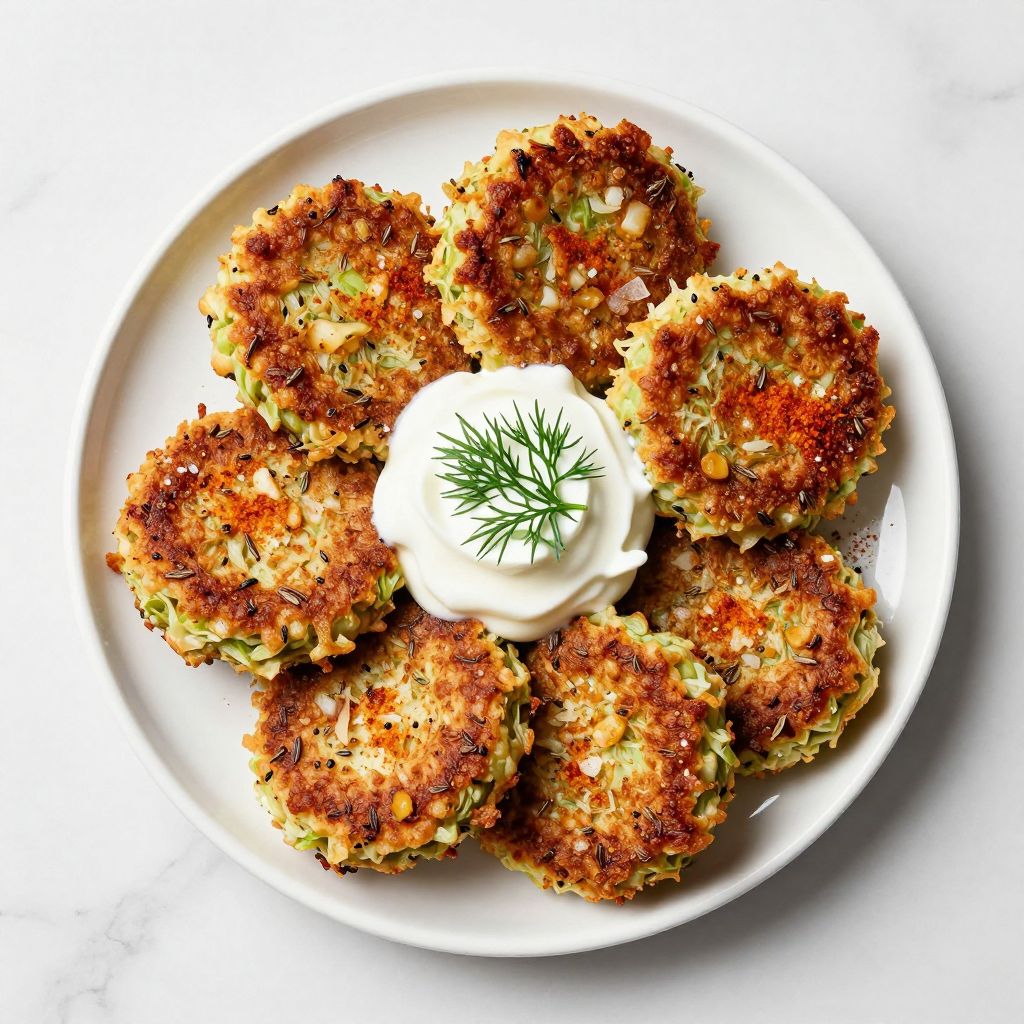
Cabbage patties are crispy, golden-brown fritters that pack tender cabbage, aromatic spices, and savory flavors into every bite. These versatile patties work as an appetizer, side dish, or light meal, and they come together in under an hour with pantry staples.
Whether you’re looking for a vegetable-forward comfort food or a crowd-pleasing finger food, this recipe delivers texture and taste without fuss. Let’s walk through how to make them perfectly every time.
Why You’ll Love This Recipe
Cabbage patties hit that sweet spot between wholesome and indulgent, delivering crispy exteriors with soft, flavorful insides.
- Quick to prepare with simple, affordable ingredients you likely already have.
- Naturally vegetarian and adaptable to most dietary needs.
- Excellent for meal prep since they reheat beautifully.
- Kids and adults alike devour them without complaints.
- Perfect for using up a head of cabbage before it wilts.
My Experience Making This Recipe
I first made these cabbage patties on a rainy weeknight when my fridge held little more than half a cabbage and eggs. The aroma filling my kitchen was incredible, and within minutes, I had golden, crispy patties that tasted restaurant-quality.
My family finished an entire batch in one sitting, which told me everything I needed to know. Since then, I’ve made them dozens of times, tweaking seasonings and testing cooking methods to land on this version.
The best part? They’re equally delicious served hot or at room temperature, making them ideal for lunchboxes or casual entertaining. Every time I pull a tray from the oven, I’m reminded how simple ingredients transform into something truly special.
Recipe Overview
- Recipe Name: Cabbage Patties
- Servings: Makes 12 to 14 patties (serves 4 to 6)
- Prep Time: 15 minutes
- Cook Time: 20 minutes
- Total Time: 35 minutes
- Course: Appetizer, side dish, or light main
- Cuisine: Eastern European inspired
- Calories per Serving: 95 calories per patty
Equipment You Will Need
- Large mixing bowl
- Sharp chef’s knife
- Cutting board
- Colander or fine-mesh strainer
- Paper towels
- Measuring cups and spoons
- Fork or whisk
- Large skillet or shallow baking dish
- Spoon or ice cream scoop
- Baking sheet lined with parchment paper
Ingredients for Cabbage Patties
- 1 medium head of green cabbage (about 2 pounds), finely shredded
- 3 large eggs
- 1/2 cup all-purpose flour
- 1/4 cup grated Parmesan cheese
- 1 small onion, minced
- 2 cloves garlic, minced
- 1 teaspoon salt
- 1/2 teaspoon black pepper
- 1/2 teaspoon caraway seeds (optional but recommended)
- 1/4 teaspoon paprika
- 2 tablespoons vegetable oil for pan-frying or 3 tablespoons for baking
Ingredient Notes and Substitutions
- Green cabbage: The neutral flavor and tender texture work best here. Red cabbage will work but creates darker patties and adds earthiness. Napa cabbage yields softer patties if you prefer less structure.
- Eggs: They bind the mixture and create structure. You can substitute one egg with 3 tablespoons aquafaba (chickpea liquid) if making this vegan, though the patties will be slightly more fragile.
- All-purpose flour: Use this as your binder. Replace with rice flour or cornstarch for gluten-free versions, though you may need an extra tablespoon since these absorb moisture differently.
- Parmesan cheese: Adds umami and saltiness. Feta cheese brings tanginess, cheddar adds sharpness, or skip it entirely for a dairy-free option.
- Caraway seeds: A traditional Eastern European touch that adds warm, subtle spice. Skip them if you dislike their flavor, or swap for cumin seeds for a different depth.
How to Make Cabbage Patties
Step 1: Shred and Prepare the Cabbage
Remove the outer leaves from your cabbage and rinse it under cold water. Slice the cabbage into thin, even strips using a sharp knife or a food processor fitted with a shredding blade.
Fine shredding ensures the cabbage cooks evenly and creates a cohesive mixture when bound with eggs. Aim for pieces about the thickness of matchsticks so they soften quickly without becoming mushy.
Step 2: Salt and Drain the Cabbage
Transfer your shredded cabbage to a colander or fine-mesh strainer and sprinkle it generously with salt. Let it sit for 5 minutes to release its water content, then press gently with your hands to squeeze out excess moisture.
This step is critical because cabbage holds a lot of water. Removing that moisture prevents soggy, falling-apart patties and ensures they crisp up properly during cooking.
Step 3: Prepare Your Mix-Ins
While the cabbage drains, mince your onion and garlic as finely as possible. Larger pieces of onion or garlic will create texture inconsistencies and may not cook through, so aim for pieces smaller than a pea.
If using caraway seeds, measure them out now so you’re ready to add them in the next step. Having everything prepped speeds up assembly.
Step 4: Combine the Wet Ingredients
Crack your eggs into a large mixing bowl and whisk them together with a fork until they’re fully blended. Add the minced onion and garlic, then stir until combined.
Whisking the eggs before adding other ingredients distributes them evenly throughout the mixture, which helps bind everything together uniformly. Don’t skip this step.
Step 5: Add Dry Ingredients and Drained Cabbage
Sprinkle the flour, Parmesan, salt, black pepper, caraway seeds, and paprika directly over the egg mixture. Gently fold these into the eggs using a fork until mostly combined.
Add your drained cabbage in batches, folding gently after each addition. Mix until everything is evenly distributed, but don’t overmix, which can make the patties dense.
Step 6: Form the Patties
Let your mixture rest for 2 minutes, then use a spoon or ice cream scoop to portion the mixture onto a cutting board or plate. You should get 12 to 14 patties depending on size.
Gently shape each portion into a flat patty about 2 inches in diameter and half an inch thick. If the mixture falls apart, it likely needs more time to rest as the flour hydrates and the cabbage releases remaining moisture.
Step 7: Pan-Fry the Patties (Stovetop Method)
Heat 2 tablespoons of vegetable oil in a large skillet over medium-high heat until it shimmers. Once hot, carefully place patties in the pan, working in batches to avoid overcrowding.
Cook for 4 to 5 minutes on the first side until golden brown and crispy, then flip and cook the other side for another 3 to 4 minutes. Transfer cooked patties to a paper towel-lined plate to absorb excess oil.
Step 8: Bake the Patties (Oven Method, Alternative)
Preheat your oven to 400 degrees Fahrenheit and line a baking sheet with parchment paper. Brush both sides of each patty lightly with vegetable oil, then arrange them on the baking sheet without overlapping.
Bake for 20 to 22 minutes, flipping halfway through, until both sides are golden brown and crispy. This method uses less oil and is easier for batch cooking, though pan-fried patties develop a slightly crisper crust.
Pro Tip: Don’t skip the step of draining salted cabbage. It’s the difference between crispy patties and sad, soggy ones that fall apart.
Tips for the Best Cabbage Patties
- Shred your cabbage as finely as possible. Larger pieces won’t integrate into the batter or cook through properly, leaving tough bits in your final patties.
- Make sure your oil is hot before adding patties. A temperature of at least 350 degrees Fahrenheit creates a protective crust that keeps the inside tender.
- Don’t flip the patties too early. Wait until they develop a golden-brown crust before flipping, which usually takes 4 to 5 minutes on medium-high heat.
- If your mixture seems too wet after mixing, refrigerate it for 15 minutes. This allows the flour to fully hydrate, making the mixture easier to handle.
- Serve them immediately after cooking for peak crispness, or keep them warm in a 200-degree oven for up to 15 minutes before serving.
- Let cooked patties rest on a paper towel for at least 2 minutes to drain excess oil and allow the exterior to fully set.
Common Mistakes to Avoid
- Skipping the salt-and-drain step leads to excess moisture that prevents crisping. Your patties will turn out steamed and soggy instead of golden and crunchy.
- Using large chunks of cabbage creates uneven texture and cooking. Always shred as finely as possible for a cohesive bite.
- Adding too much flour makes the patties dense and bread-like rather than light and tender. Stick to the 1/2 cup called for in the recipe.
- Overcrowding the pan drops the oil temperature and causes patties to absorb oil instead of crisping. Cook in smaller batches and give each patty space.
Serving Suggestions
Serve your warm cabbage patties with a cooling topping or dipping sauce to balance their richness. A simple sour cream dollop or a squeeze of fresh lemon transforms them into a complete bite.
- Sour cream mixed with fresh dill for a classic pairing.
- Greek yogurt with garlic and lemon for a lighter version.
- Marinara sauce for an Italian twist.
- Sriracha mayo for a spicy kick.
- Fresh salad on the side, especially something tart like vinegar-based slaw.
Variations to Try
- Cheese and herb patties: Add 1/2 cup shredded cheddar or gruyere plus 2 tablespoons fresh parsley. The cheese adds richness and the herbs brighten the flavor profile.
- Potato and cabbage version: Replace half the cabbage with finely grated potato for a heartier patty. This creates a more filling side dish or main course option.
- Spiced version: Increase paprika to 1 teaspoon and add 1/4 teaspoon cayenne pepper for heat. This works beautifully with a cooling yogurt dip.
- Cabbage and mushroom: Sauté 1 cup finely chopped mushrooms with the onions before mixing. Mushrooms add umami depth and create a more complex flavor.
- Spring vegetable version: Mix in 1/2 cup blanched and chopped broccoli or kale. This boosts nutrition and adds textural contrast.
Dietary Adaptations
- Gluten-free: Use rice flour or cornstarch instead of all-purpose flour. The trade-off is slightly less binding power, so use one tablespoon more than the recipe calls for.
- Dairy-free: Skip the Parmesan cheese or replace it with nutritional yeast for savory depth. You’ll lose some umami but gain a vegan-friendly dish.
- Vegan: Replace eggs with a mixture of 3 tablespoons aquafaba plus 1 tablespoon cornstarch. The patties will be more delicate but still delicious, especially if baked rather than pan-fried.
- Low-carb or keto: Replace flour with almond flour or psyllium husk powder in equal amounts. Patties won’t crisp quite as much but will still be tasty and fit your macros.
Storage and Reheating
Refrigerator
Store cooked cabbage patties in an airtight container on a single layer separated by parchment paper. They keep for 4 to 5 days and taste great cold or reheated.
- Keep uncooked patties refrigerated in a covered container for up to 2 days before cooking.
Freezer
Freeze cooked patties on a baking sheet for 2 hours until solid, then transfer to a freezer-safe container. They last up to 3 months and cook from frozen without thawing.
- Layer patties between parchment paper to prevent sticking.
- Add an extra 2 to 3 minutes to cooking time when reheating from frozen.
Reheating
Reheat in a 350-degree oven for 8 to 10 minutes to restore crispness, or microwave for 1 to 2 minutes if you’re short on time. The oven method gives better texture, but the microwave works in a pinch.
- To crisp up refrigerated patties, pan-fry them briefly over medium heat for 1 to 2 minutes per side.
Nutrition Information
| Nutrient | Amount |
|---|---|
| Calories | 95 |
| Total Fat | 5 grams |
| Saturated Fat | 1.5 grams |
| Carbohydrates | 9 grams |
| Fiber | 1.5 grams |
| Sugar | 2 grams |
| Protein | 4 grams |
| Sodium | 280 milligrams |
| Cholesterol | 50 milligrams |
Nutritional values are approximate and calculated per patty based on pan-frying in vegetable oil. Values vary slightly depending on cooking method and specific ingredient brands used.
Frequently Asked Questions
Can I Make the Batter Ahead of Time?
Yes, you can prepare the batter up to 4 hours in advance and keep it refrigerated in a covered container. The flour needs about 15 minutes to fully hydrate, so let it rest at room temperature for 5 minutes before shaping if it’s been chilled.
Why Are My Patties Falling Apart?
This usually means the mixture is too wet. Make sure you’re thoroughly draining the salted cabbage and pressing out excess moisture. If the problem persists, add an extra tablespoon of flour to the mixture and let it rest for 10 minutes to hydrate.
What’s the Best Oil for Cooking?
Use neutral oils with high smoke points like vegetable, canola, or light olive oil. Avoid butter or extra-virgin olive oil, which burn at the temperatures needed to crisp the patties.
Can I Bake These Instead of Pan-Frying?
Absolutely. Baking is easier for large batches and uses less oil. Brush patties lightly with oil, place on a parchment-lined baking sheet, and bake at 400 degrees for 20 to 22 minutes, flipping halfway through. They’ll be slightly less crispy than pan-fried versions but still delicious.
How Do I Make Them Crispier?
Ensure your oil is at least 350 degrees before adding patties, don’t flip them until they’re golden brown on the first side, and let them drain on paper towels immediately after cooking. Baking with a light brush of oil also produces crispy results.
Can I Use Napa Cabbage Instead?
Yes, but the patties will be softer since napa cabbage is more delicate and watery than green cabbage. Drain it thoroughly and you’ll still get good results, just with less structural integrity.
Final Thoughts
Cabbage patties prove that simple vegetables and basic pantry ingredients create something restaurant-worthy when you apply a little technique. They’re affordable, flexible, and genuinely delicious whether you’re feeding a family or hosting guests.
Give this recipe a try, and don’t be surprised when you find yourself making them regularly. Serve them with your favorite toppings, experiment with variations, and enjoy the satisfaction of a homemade dish that tastes far better than the effort required to make it.
Cabbage Patties
Ingredients
Equipment
Method
- Remove the outer leaves from your cabbage and rinse it under cold water. Slice the cabbage into thin, even strips about the thickness of matchsticks using a sharp knife or food processor with shredding blade.
- Transfer shredded cabbage to a colander or fine-mesh strainer and sprinkle it generously with salt. Let sit for 5 minutes to release water, then press gently with your hands to squeeze out excess moisture.
- While cabbage drains, mince onion and garlic as finely as possible.
- Crack eggs into a large mixing bowl and whisk together with a fork until fully blended. Add minced onion and garlic and stir until combined.
- Sprinkle flour, Parmesan cheese, salt, black pepper, caraway seeds, and paprika over egg mixture. Fold gently with a fork until mostly combined.
- Add drained cabbage in batches, folding gently after each addition until evenly distributed, taking care not to overmix.
- Let the mixture rest for 2 minutes to allow the flour to hydrate.
- Use a spoon or ice cream scoop to portion the mixture onto a plate or cutting board to make 12 to 14 patties. Gently shape each into a flat patty about 2 inches in diameter and 0.5 inch thick.
- To pan-fry (stovetop method): Heat 2 tablespoons vegetable oil in a large skillet over medium-high heat until shimmering. Place patties in the pan in batches without overcrowding.
- Cook patties for 4 to 5 minutes on the first side until golden brown and crispy, then flip and cook for another 3 to 4 minutes on the other side. Transfer patties to a paper towel-lined plate to drain excess oil.
- To bake (oven method, alternative): Preheat oven to 400°F (200°C) and line a baking sheet with parchment paper. Brush both sides of patties lightly with vegetable oil and arrange without overlapping.
- Bake patties for 20 to 22 minutes, flipping halfway through, until both sides are golden brown and crispy.
- Let cooked patties rest on paper towels for at least 2 minutes before serving.