Pate sucree recipe is a French sweet tart dough that transforms simple butter, flour, and sugar into the most elegant pastry base you’ll ever make. This rich, buttery crust is the foundation for everything from fruit tarts to chocolate ganache masterpieces, and once you master it, you’ll understand why French pastry chefs consider it non-negotiable.
The magic happens when you work cold butter into flour just right, creating a tender crumb that bakes up golden and crisp without ever becoming tough or greasy. Whether you’re a beginner nervous about pastry or a seasoned baker looking to refine your technique, this recipe walks you through every step so you can nail it every single time.
Why You’ll Love This Recipe
This dough is the workhorse of French pastry for good reason: it’s forgiving, versatile, and genuinely delicious. Once you’ve made it once, you’ll find yourself reaching for it constantly.
- Creates a crisp, buttery shell that stays tender even when filled with wet fruit or ganache
- Sweet enough to stand alone but not so sweet it competes with your filling
- Makes excellent use of kitchen scraps: you can patch cracks with dough scraps and water
- Freezes beautifully for up to three months, ready to bake whenever you need it
- Impresses dinner guests without requiring any fancy equipment or advanced skills
My Experience Making This Recipe
The first time I made pate sucree, I was genuinely intimidated by the French name and the reputation of pastry chefs who treat it like sacred ground. I kept second-guessing myself about whether my dough looked right, whether the butter was cold enough, whether I’d overworked it.
Then something clicked: I realized the dough doesn’t need to be perfect. It needs to be cold, mixed just until it comes together, and handled with confidence, not finesse. My kitchen smelled incredible as it baked, and when I pulled out that golden tart shell, I understood why people pay good money for French pastry.
I’ve since made dozens of tarts with this dough, from a rustic berry number for a picnic to an elegant lemon curd creation for a dinner party. Every single time, people ask for the recipe, and every single time, I smile knowing they’re about to master French pastry.
Recipe Overview
- Recipe Name: Pate Sucree (French Sweet Tart Dough)
- Servings: Makes one 9-inch tart shell or two 4-inch tartlets
- Prep Time: 15 minutes (plus chilling)
- Cook Time: 20-25 minutes
- Total Time: 40 minutes plus 30 minutes chilling
- Course: Dessert base
- Cuisine: French
- Calories per Serving: 280 (per 1/8 of tart)
Equipment You Will Need
- Food processor or pastry cutter
- Measuring cups and spoons
- 9-inch tart pan with removable bottom
- Mixing bowl
- Fork or wooden spoon
- Plastic wrap
- Parchment paper
- Baking sheet
- Pie weights or dried beans (optional but helpful)
Ingredients for Pate Sucree Recipe
- 1 3/4 cups all-purpose flour
- 1/2 cup cold unsalted butter, cut into small cubes
- 1/4 cup granulated sugar
- 1/4 teaspoon fine sea salt
- 1 large egg yolk
- 2 tablespoons ice water, plus more as needed
- 1/2 teaspoon vanilla extract (optional but recommended)
Ingredient Notes and Substitutions
- All-purpose flour: This is the standard choice because it has enough protein to create structure without being tough like bread flour. If you only have cake flour, add an extra tablespoon of all-purpose flour to strengthen the dough.
- Cold unsalted butter: Cold butter creates steam pockets that make the crust flaky, and unsalted lets the sugar shine. If your butter is warm, pop it in the freezer for 10 minutes before cutting it up.
- Granulated sugar: This provides sweetness without any grittiness that comes from coarser sugars. You can substitute superfine sugar in a 1:1 ratio, though the texture will be nearly identical.
- Egg yolk: The yolk binds the dough and adds richness; the white would make it tough. If you’re out of eggs, use 3 tablespoons of cold sour cream or Greek yogurt mixed with a tablespoon of ice water.
- Ice water: Cold liquid keeps the butter from melting during mixing, preserving those precious pockets. Room temperature water will make your dough greasy and tough.
How to Make Pate Sucree Recipe
Step 1: Mix the Dry Ingredients
Whisk together the flour, sugar, and salt in a large mixing bowl or in your food processor work bowl. Combining them now distributes the sugar and salt evenly so you won’t end up with sweet or salty patches in the finished dough.
Step 2: Cut in the Cold Butter
Add the cold butter cubes to the flour mixture and work them in using a pastry cutter, your fingertips, or pulse them in a food processor until the mixture resembles coarse cornmeal with a few pea-sized pieces of butter still visible. This step is crucial: those small butter pieces create steam during baking, which gives you a tender, flaky crust instead of a dense, compact one.
Step 3: Add the Egg Yolk
Pour the egg yolk and vanilla extract (if using) into a small bowl and lightly beat them together with a fork, then add them to the flour mixture. The vanilla adds a subtle depth that rounds out the sugar without tasting like vanilla.
Step 4: Combine Until Just Barely Cohesive
Using a fork or your fingertips, gently mix the dough until it just begins to hold together in clumps, adding ice water one tablespoon at a time only if absolutely necessary. Overworking this dough develops gluten, which makes it tough and chewy instead of tender and delicate.
Step 5: Form the Disk and Chill
Turn the dough out onto a piece of plastic wrap and gently gather it into a ball, then flatten it into a disk about 3/4 inch thick. Wrap it tightly and refrigerate for at least 30 minutes, or up to overnight.
Chilling relaxes the gluten and ensures the butter stays cold, both of which lead to a more tender, flakier result. The dough becomes much easier to roll when chilled.
Step 6: Roll Out the Dough
Remove the dough from the fridge and let it sit at room temperature for 2-3 minutes so it’s pliable but still cold. On a lightly floured surface, roll it out to about 1/8 inch thick, working from the center outward and rotating the disk every few rolls to keep it even.
Step 7: Fit the Dough into the Tart Pan
Gently transfer the rolled dough into your tart pan by rolling it loosely around your rolling pin and then unrolling it over the pan. Press the dough gently into the corners and sides, then trim any excess by rolling the pin over the top edge so the dough breaks off cleanly.
A removable-bottom tart pan makes this easiest, but if you’re using a regular pie pan, just fit it in as best you can. Poke the bottom a few times with a fork to prevent big bubbles.
Step 8: Chill and Prebake
Refrigerate the fitted dough for at least 15 minutes while you preheat your oven to 375 degrees Fahrenheit. Line the dough with parchment paper and fill it with pie weights or dried beans.
Blind baking (baking without a filling) prevents the bottom from puffing up and the sides from slumping. Bake for 12-15 minutes until the edges are pale golden, then carefully remove the weights and parchment.
Step 9: Final Bake
Return the shell to the oven and bake for 5-10 more minutes until the bottom is pale golden and set but not deeply colored. You want it just barely cooked at this stage since it might bake a bit more with your filling, depending on what you’re making.
Let the shell cool completely before filling. This prevents the butter from softening and the dough from becoming greasy.
Pro Tip: If your dough cracks while rolling or fitting, don’t panic. Gather the scraps, let them warm slightly, press them together, and patch the crack like you’re applying spackle to drywall. A tiny dab of water helps seal the patch perfectly.
Tips for the Best Pate Sucree Recipe
- Keep everything cold: your ingredients, your equipment, and your hands if possible. Cold temperature preserves the butter and prevents the dough from toughening up.
- Don’t be afraid to add ice water gradually. It’s easier to add more liquid than to fix a dough that’s too wet, so go slow and stop as soon as the dough holds together.
- Use a food processor if you have one and are nervous about working with your hands. It does the job in seconds and takes the guesswork out of whether you’ve overworked it.
- Roll the dough between two sheets of parchment paper to prevent sticking and keep everything tidy. This also protects the dough from warming up too fast.
- Freeze unbaked tart shells and bake them straight from the freezer if you’d like. Add 2-3 minutes to the blind baking time since the dough is colder.
- If your shell puffs up during baking, gently press it down with a fork while it’s still hot. It will deflate and settle as it cools.
Common Mistakes to Avoid
- Warm butter: Warm butter gets worked into the dough and makes a paste, resulting in a tough, dense shell instead of a flaky, tender one. If you’re struggling with this, cut your cold butter into small pieces and toss them in the freezer for 5 minutes.
- Overworking the dough: Mixing too much develops gluten and makes the dough tough and chewy. Stop as soon as it holds together; lumpy is good.
- Not chilling before rolling: Warm dough shrinks dramatically in the oven and becomes difficult to work with. Always chill, even if you’re in a hurry.
- Skipping blind baking: A wet filling will make the bottom soggy, and a dry filling will allow the sides to collapse inward. Blind baking prevents both problems.
- Using room temperature water: This causes the butter to warm and soften, resulting in a greasy, tough dough. Always use ice water and add it slowly.
Serving Suggestions
Pate sucree is the perfect base for almost any filling you can imagine, from classic fruit to rich chocolate or creamy custard. The sweetness of the shell pairs beautifully with tart fruit and makes even simple fillings feel elegant.
- Fill with pastry cream and fresh berries for a classic French tart
- Add a layer of chocolate ganache and top with poached pears or fresh raspberries
- Fill with lemon curd and meringue for a sophisticated lemon tart
- Spread with almond cream and arrange fresh apples or plums on top, then bake together
- Top with salted caramel and fleur de sel for an elegant dessert that needs nothing else
Variations to Try
- Chocolate pate sucree: Replace 1/4 cup of the flour with unsweetened cocoa powder for a tender shell with subtle chocolate flavor that pairs beautifully with fruit or vanilla fillings. The cocoa adds sophistication without overwhelming the delicate pastry.
- Almond pate sucree: Replace 1/4 cup of the flour with finely ground blanched almonds for a nuttier flavor and slightly softer texture that works wonderfully with apple or apricot fillings. The almonds toast slightly during baking and add depth.
- Citrus pate sucree: Add 1 tablespoon of lemon or orange zest to the dry ingredients for a bright, fragrant base that pairs especially well with chocolate or custard fillings. The zest releases its oils during mixing and flavors the entire dough.
- Spiced pate sucree: Add 1/2 teaspoon of ground cinnamon and 1/4 teaspoon of ground nutmeg to the dry ingredients for a warm, subtle spice that complements apple, pear, or caramel fillings. This variation feels especially nice in fall.
- Brown butter pate sucree: Brown the butter in a saucepan, let it cool completely, then use it in place of regular cold butter for a deeper, nuttier flavor with almost no change to the technique. The brown butter separates slightly, so stir it well before using.
Dietary Adaptations
- Gluten-free: Replace the all-purpose flour with a 1:1 gluten-free flour blend that includes xanthan gum, using the exact same amounts. The dough will be slightly more delicate and harder to patch, but the results are quite good if you handle it gently.
- Dairy-free: Substitute cold coconut oil or vegan butter for the regular butter in equal amounts, working it in exactly the same way. The dough will be slightly less rich and more crumbly, but still tender and delicious.
- Vegan: Replace the egg yolk with 2 tablespoons of aquafaba (the liquid from a can of chickpeas) beaten lightly, and use vegan butter. The results are very close to the traditional version, though the dough may need an extra tablespoon of ice water.
- Low-carb or keto: Replace all-purpose flour with almond flour mixed with a small amount of psyllium husk powder for structure, keeping the proportions mostly the same. The result is grainier and more fragile, but fills the craving for a sweet tart shell.
Storage and Reheating
Refrigerator
Store a baked tart shell covered loosely with plastic wrap for up to 3 days. Unbaked dough keeps for up to 5 days in the fridge, making it perfect for planning ahead.
- Cover the shell to protect it from absorbing odors from other foods
- Don’t wrap too tightly or the crust will become soft and steam-y
Freezer
Freeze both baked shells and unbaked dough for up to 3 months in an airtight container or wrapped tightly in plastic wrap. Freezing is actually ideal for unbaked dough because the cold keeps the butter perfectly preserved until you’re ready to use it.
- Thaw unbaked dough in the fridge overnight before rolling
- Bake frozen shells straight from the freezer, adding 2-3 minutes to the bake time
Reheating
If your baked shell has softened slightly, place it in a 325 degree Fahrenheit oven for 3-5 minutes to crisp it back up. Never use the microwave, as it will make the crust tough and rubbery.
- A brief warming in the oven is usually enough to restore crispness
- This works best if the shell hasn’t been filled yet
Nutrition Information
| Nutrient | Amount |
|---|---|
| Calories | 280 |
| Total Fat | 16g |
| Saturated Fat | 10g |
| Carbohydrates | 32g |
| Fiber | 1g |
| Sugar | 8g |
| Protein | 3g |
| Sodium | 95mg |
| Cholesterol | 60mg |
Nutrition values are based on one serving of the unfilled baked tart shell divided into 8 equal pieces. Your final nutrition will vary depending on what filling you use.
Frequently Asked Questions
Can I make pate sucree by hand without a food processor?
Absolutely. Use a pastry cutter or two knives held together to cut the cold butter into the flour, or simply use your fingertips to rub the butter into the flour until it resembles coarse cornmeal. Working quickly keeps everything cold.
How do I know when my dough is mixed enough?
Stop mixing as soon as the dough holds together when you squeeze it, but before it becomes smooth. You should still see tiny flecks of butter throughout the dough.
What should I do if my dough is too dry and won’t hold together?
Add ice water one teaspoon at a time, mixing gently after each addition. Most doughs only need 2-3 teaspoons of water, so go slowly to avoid overshooting.
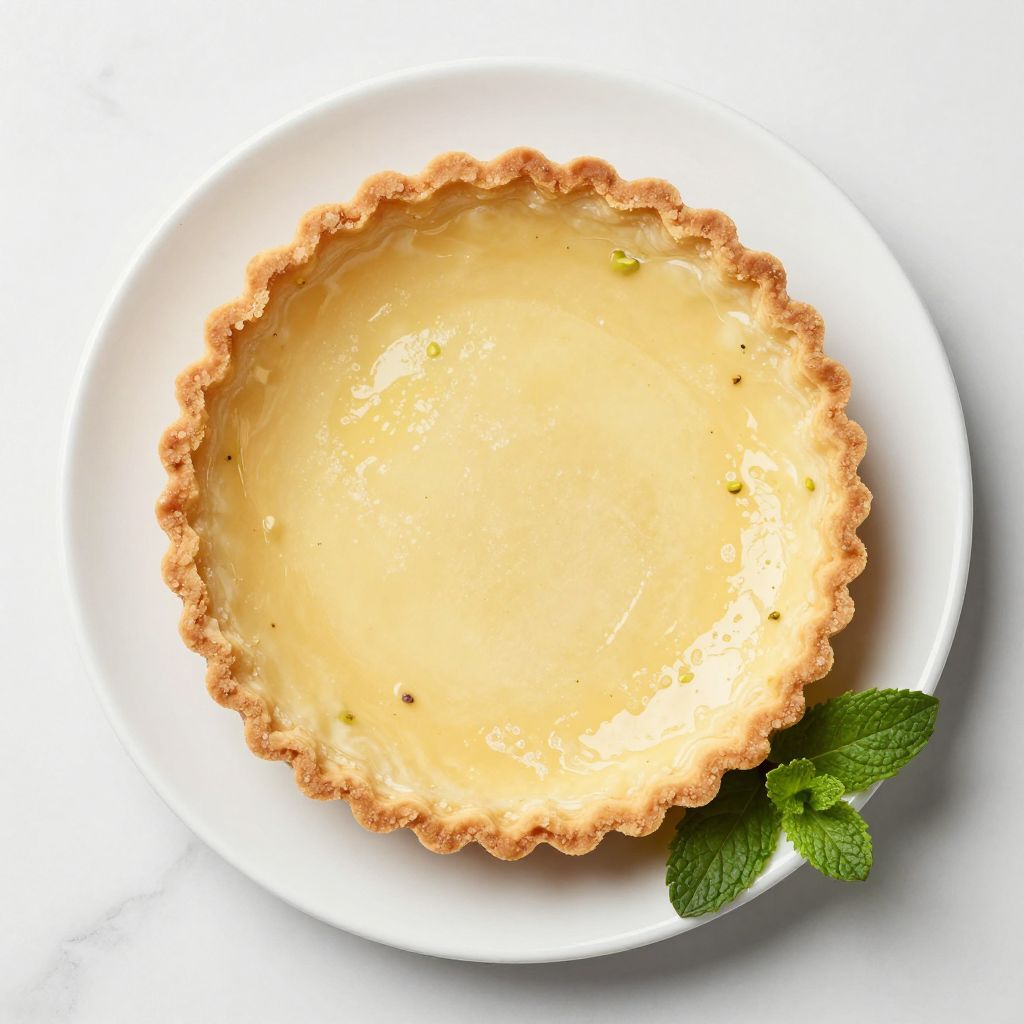
Pate Sucree (French Sweet Tart Dough)
Ingredients
Equipment
Method
- Whisk together the flour, sugar, and salt in a large mixing bowl or food processor bowl to distribute evenly.
- Add the cold cubed butter and work it into the flour mixture using a pastry cutter, fingertips, or by pulsing in a food processor until the mixture looks like coarse cornmeal with some pea-sized butter pieces.
- In a small bowl, lightly beat the egg yolk and vanilla extract (if using), then add to the flour mixture.
- Gently mix the dough with a fork or fingertips until it just starts to hold together, adding ice water one tablespoon at a time only if necessary. Avoid overmixing to prevent toughness.
- Turn the dough out onto plastic wrap, shape into a disk about 3/4 inch thick, wrap tightly, and refrigerate for at least 30 minutes or up to overnight.
- Remove the dough from the fridge and let it sit for 2-3 minutes until pliable but still cold. On a floured surface, roll it out to about 1/8 inch thick, rotating occasionally for evenness.
- Transfer the rolled dough to a 9-inch tart pan by rolling it around the rolling pin and unrolling it over the pan. Press gently into corners and sides, then trim excess by rolling the pin over the edge.
- Chill the fitted dough in the refrigerator for at least 15 minutes while preheating the oven to 375°F (190°C).
- Line the dough with parchment paper and fill with pie weights or dried beans. Blind bake for 12-15 minutes until edges are pale golden.
- Carefully remove weights and parchment paper, then bake the shell for another 5-10 minutes until the bottom is pale golden and set but not deeply colored.
- Let the tart shell cool completely before filling to prevent greasiness and softening.