Korean BBQ marinade recipe transforms ordinary beef, pork, or chicken into something absolutely crave-worthy. This sweet, savory, and slightly smoky sauce delivers authentic bulgogi flavor right in your own kitchen.
Once you taste homemade Korean BBQ, you will never reach for a bottled version again. The combination of soy sauce, Asian pear, garlic, and sesame oil creates a flavor profile that restaurant menus charge premium prices for.
Ready to become the grill master your friends and family deserve? Let me walk you through every step of making this incredible marinade from scratch.
Why You Will Love This Recipe
This Korean BBQ marinade hits all the right notes and works with whatever protein you have on hand. The balance of sweet, salty, and umami makes every bite irresistible.
- Uses pantry staples you probably already own
- Ready in just 10 minutes of active prep time
- Works beautifully with beef, pork, chicken, or tofu
- Makes enough marinade for multiple meals
- Tastes better than takeout at a fraction of the cost
My Experience Making This Recipe
I first made this marinade on a random Tuesday when I wanted to impress some dinner guests without spending hours in the kitchen. The aroma that filled my house while the meat sizzled had everyone gathering around the stove like moths to a flame.
The caramelization on the edges of the beef was absolutely perfect. That sticky, slightly charred exterior gave way to tender, flavor-packed meat that disappeared from the platter embarrassingly fast.
My neighbor asked if I had ordered from a Korean restaurant, which might be the highest compliment a home cook can receive. Since then, this marinade has become a permanent fixture in my monthly meal rotation.
Recipe Overview
- Recipe Name: Korean BBQ Marinade
- Servings: 8 servings (enough for 2 pounds of meat)
- Prep Time: 10 minutes
- Cook Time: 0 minutes (marinating time: 2 to 24 hours)
- Total Time: 10 minutes active, plus marinating
- Course: Sauce, Marinade
- Cuisine: Korean
- Calories per Serving: 65 calories
Equipment You Will Need
- Blender or food processor
- Measuring cups and spoons
- Large mixing bowl or resealable plastic bags
- Sharp knife and cutting board
- Microplane or garlic press
- Airtight container for storage
Ingredients for Korean BBQ Marinade
- Soy sauce, 1/2 cup (use low sodium if watching salt intake)
- Asian pear, 1 medium, peeled and cored (or substitute 1/4 cup applesauce)
- Brown sugar, 3 tablespoons, packed
- Sesame oil, 2 tablespoons, toasted
- Garlic, 6 cloves
- Fresh ginger, 1 inch piece, peeled
- Rice wine, 2 tablespoons (mirin or sake)
- Green onions, 3 stalks, roughly chopped
- Black pepper, 1/2 teaspoon, freshly ground
- Gochugaru, 1 teaspoon (Korean red pepper flakes, optional for heat)
Ingredient Notes and Substitutions
- Asian pear: This fruit contains enzymes that naturally tenderize meat while adding subtle sweetness. Substitute with ripe Bosc pear, applesauce, or kiwi in equal amounts.
- Soy sauce: Provides the salty umami backbone of the marinade. Tamari works as a gluten free alternative with nearly identical flavor.
- Sesame oil: Toasted sesame oil delivers that distinctive nutty aroma. Regular sesame oil lacks the depth, so stick with toasted varieties.
- Rice wine: Adds brightness and helps carry flavors into the meat. Dry sherry or even white wine works in a pinch.
- Gochugaru: Traditional Korean pepper flakes add gentle heat and slight smokiness. Regular red pepper flakes substitute fine, but use half the amount.
- Brown sugar: Creates that signature caramelization when the meat hits heat. Honey or maple syrup substitutes well at a 1:1 ratio.
How to Make Korean BBQ Marinade
Step 1: Prepare the Asian Pear
Peel and core your Asian pear, then cut it into rough chunks. The pear purees more smoothly when cut into smaller pieces, and removing the core prevents any gritty texture in your final marinade.
Step 2: Prep the Aromatics
Peel your garlic cloves and ginger root. Give the green onions a rough chop since everything goes into the blender anyway.
Step 3: Combine Wet Ingredients
Add the soy sauce, rice wine, and sesame oil to your blender or food processor. These liquids help the blade catch the solid ingredients and create a smooth puree.
Step 4: Add Remaining Ingredients
Toss in the Asian pear, garlic, ginger, green onions, brown sugar, black pepper, and gochugaru if using. Scrape down any brown sugar stuck to your measuring spoon since every bit of sweetness counts for proper caramelization.
Step 5: Blend Until Smooth
Process everything on high for 60 to 90 seconds until completely smooth. You want zero chunks remaining because any large pieces will burn before the meat finishes cooking.
Step 6: Taste and Adjust
Dip a clean spoon in and taste your marinade. The flavor should taste slightly intense since the meat will absorb and mellow the seasonings during marinating.
Step 7: Prepare Your Protein
Slice your chosen meat against the grain into thin strips, about 1/4 inch thick. Thinner cuts absorb more marinade and cook faster with better caramelization.
Step 8: Marinate the Meat
Place sliced meat in a large bowl or resealable bag and pour the marinade over it. Massage the marinade into every piece, then refrigerate for at least 2 hours or up to 24 hours for maximum flavor penetration.
Step 9: Bring to Room Temperature
Remove the marinated meat from the refrigerator 30 minutes before cooking. Cold meat hitting a hot pan drops the temperature and prevents proper searing.
Step 10: Cook to Perfection
Heat your grill, grill pan, or cast iron skillet over high heat until smoking. Cook the meat in batches without crowding, about 2 to 3 minutes per side until beautifully charred and caramelized.
Pro Tip: Do not move the meat around while it cooks. Let it sit undisturbed to develop that gorgeous caramelized crust that makes Korean BBQ so irresistible.
Tips for the Best Korean BBQ Marinade
- Freeze your meat for 20 minutes before slicing to make cutting thin strips much easier and safer.
- Marinate for at least 2 hours, but overnight delivers the most flavorful results.
- Pat excess marinade off the meat before cooking to prevent steaming instead of searing.
- Use the highest heat your cooking surface can handle for authentic Korean BBQ char.
- Double the recipe and freeze half for quick weeknight dinners later.
- Let the marinade rest for 10 minutes after blending to allow flavors to meld.
Common Mistakes to Avoid
- Overcrowding the pan: Too much meat at once releases moisture and causes steaming, preventing that delicious caramelization from forming.
- Skipping the Asian pear: The enzymes in the fruit tenderize the meat in ways sugar alone cannot replicate.
- Using cold meat: Refrigerator temperature protein drops pan heat dramatically and results in uneven cooking.
- Marinating too long: Beyond 24 hours, the enzymes break down the meat too much and create mushy texture.
- Low heat cooking: You need high, intense heat to caramelize the sugars before the meat overcooks internally.
Serving Suggestions
Korean BBQ shines brightest when served family style with plenty of accompaniments. Set up a spread and let everyone build their perfect bite.
- Steamed white rice or cauliflower rice
- Crisp lettuce leaves for wrapping (butter lettuce or perilla leaves)
- Kimchi and pickled vegetables
- Ssamjang (Korean dipping sauce)
- Thinly sliced fresh garlic and jalapeños
Variations to Try
- Spicy version: Add 2 tablespoons gochujang (Korean red pepper paste) for a fiery kick that still keeps the sweetness balanced.
- Citrus twist: Include 2 tablespoons fresh orange juice for brightness that pairs exceptionally with pork.
- Smoky depth: Add 1 teaspoon smoked paprika when you cannot grill outdoors but want that charred flavor.
- Extra umami: Mix in 1 tablespoon fish sauce for deeper savory notes that seafood lovers will appreciate.
- Sweet and sticky: Increase brown sugar to 1/4 cup for a sweeter glaze style finish.
Dietary Adaptations
- Gluten free: Replace regular soy sauce with tamari or coconut aminos. Check that your rice wine is gluten free as well.
- Dairy free: This recipe contains no dairy and is naturally dairy free as written.
- Vegan and vegetarian: Use this marinade on extra firm tofu, portobello mushrooms, or seitan. Marinate tofu for only 30 minutes to prevent texture issues.
- Low carb and keto: Substitute brown sugar with monk fruit sweetener or erythritol. The carb count drops significantly with this simple swap.
Storage and Reheating
Refrigerator
Store unused marinade in an airtight container for maximum freshness.
- Keeps well for up to 5 days refrigerated
- Never reuse marinade that has touched raw meat
- Shake or stir before using as separation may occur
Freezer
This marinade freezes beautifully for future meal prep sessions.
- Freeze in ice cube trays for portion control
- Lasts up to 3 months in the freezer
- Thaw overnight in the refrigerator before using
Reheating
Cooked Korean BBQ meat reheats best with quick, high heat methods.
- Reheat in a hot skillet for 1 to 2 minutes per side
- Microwave works but sacrifices texture
- Add a splash of water to prevent drying out
Nutrition Information
| Nutrient | Amount |
|---|---|
| Calories | 65 |
| Total Fat | 3.5g |
| Saturated Fat | 0.5g |
| Carbohydrates | 8g |
| Fiber | 0.5g |
| Sugar | 6g |
| Protein | 1g |
| Sodium | 890mg |
| Cholesterol | 0mg |
Nutritional values are estimates based on the marinade only and do not include the protein you choose to marinate. Values may vary based on specific brands and ingredient substitutions.
Frequently Asked Questions
Can I use this marinade on chicken or pork instead of beef?
Absolutely. This marinade works wonderfully with chicken thighs, pork shoulder, or pork belly. Adjust marinating time to 2 to 4 hours for chicken to prevent texture breakdown.
How far in advance can I marinate the meat?
Marinate anywhere from 2 to 24 hours for best results. Beyond 24 hours, the enzymes from the pear begin to break down the meat too much.
Why is my Korean BBQ not caramelizing properly?
Your heat is probably too low or you crowded the pan. Cook in smaller batches over the highest heat possible for proper char development.
Can I use this marinade as a sauce after cooking?
Only if you set some aside before it touches raw meat. Never use marinade that has contacted raw protein without boiling it for at least 5 minutes first.
What if I cannot find Asian pear at my grocery store?
Substitute with an equal amount of ripe Bosc pear, apple, or unsweetened applesauce. Kiwi works too but use only half the amount since it contains more powerful enzymes.
Final Thoughts
This Korean BBQ marinade recipe delivers restaurant quality results with minimal effort and maximum flavor. The combination of sweet, savory, and aromatic ingredients creates something truly special that will have everyone asking for your secret.
Give this recipe a try for your next cookout or weeknight dinner. Once you experience homemade Korean BBQ, that bottled stuff will never tempt you again.
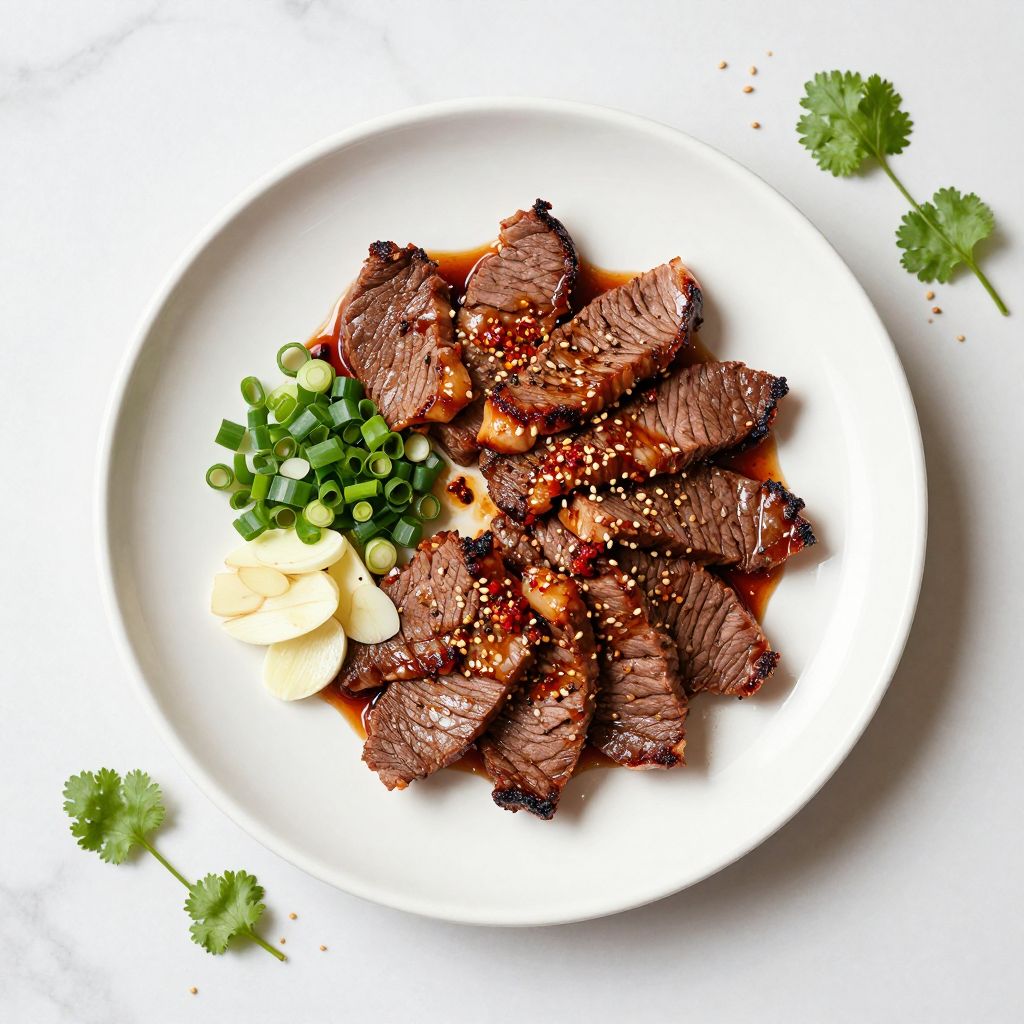
Korean BBQ Marinade
Ingredients
Equipment
Method
- Peel and core your Asian pear, then cut it into rough chunks. The pear purees more smoothly when cut into smaller pieces, and removing the core prevents any gritty texture in your final marinade.
- Peel your garlic cloves and ginger root. Give the green onions a rough chop since everything goes into the blender anyway.
- Add the soy sauce, rice wine, and sesame oil to your blender or food processor. These liquids help the blade catch the solid ingredients and create a smooth puree.
- Toss in the Asian pear, garlic, ginger, green onions, brown sugar, black pepper, and gochugaru if using. Scrape down any brown sugar stuck to your measuring spoon since every bit of sweetness counts for proper caramelization.
- Process everything on high for 60 to 90 seconds until completely smooth. You want zero chunks remaining because any large pieces will burn before the meat finishes cooking.
- Dip a clean spoon in and taste your marinade. The flavor should taste slightly intense since the meat will absorb and mellow the seasonings during marinating.
- Slice your chosen meat against the grain into thin strips, about 1/4 inch thick. Thinner cuts absorb more marinade and cook faster with better caramelization.
- Place sliced meat in a large bowl or resealable bag and pour the marinade over it. Massage the marinade into every piece, then refrigerate for at least 2 hours or up to 24 hours for maximum flavor penetration.
- Remove the marinated meat from the refrigerator 30 minutes before cooking. Cold meat hitting a hot pan drops the temperature and prevents proper searing.
- Heat your grill, grill pan, or cast iron skillet over high heat until smoking. Cook the meat in batches without crowding, about 2 to 3 minutes per side until beautifully charred and caramelized.