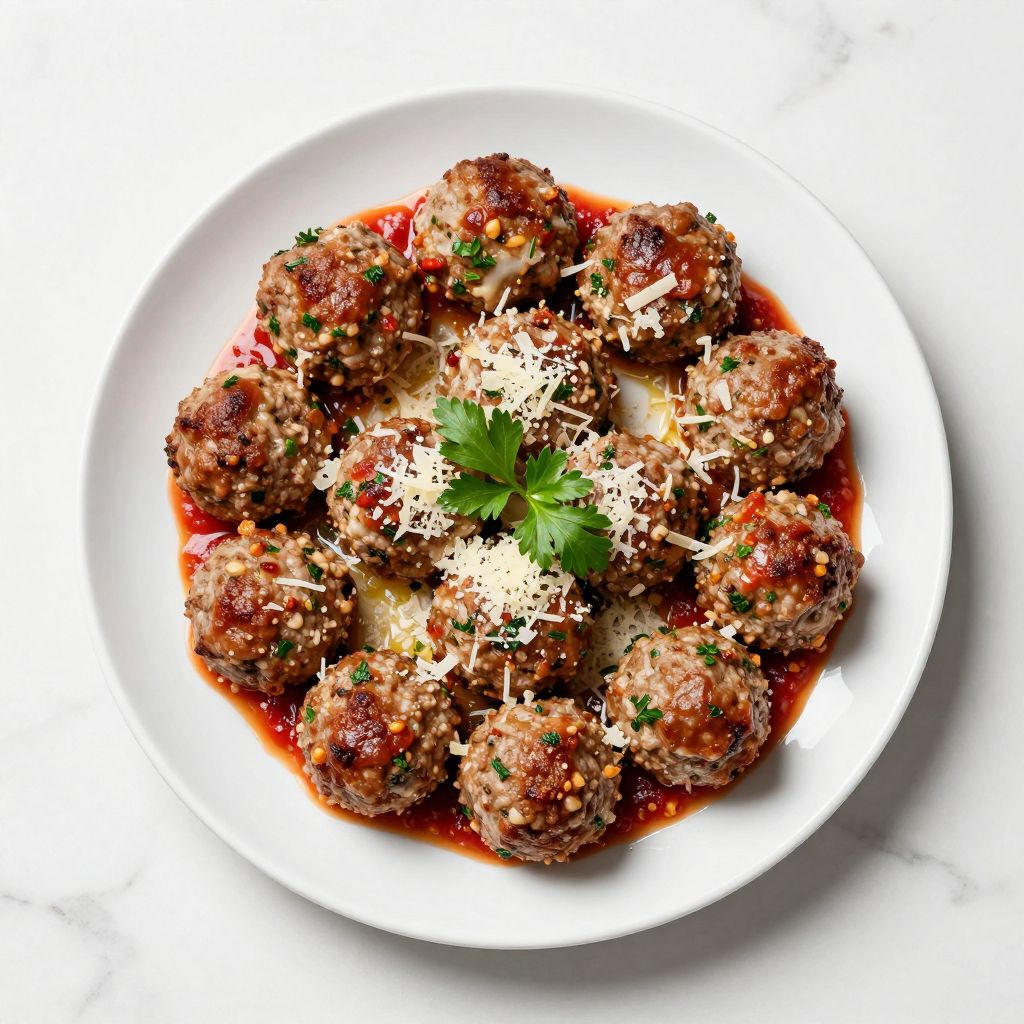
Polpette are the ultimate Italian meatballs, and once you make them from scratch, you will never go back to store bought. These tender, herb flecked bites of perfection work beautifully for a cozy Sunday dinner or an impressive weeknight meal.
Made with a blend of beef and pork, fresh breadcrumbs, and a generous amount of Parmesan, these meatballs practically melt in your mouth. Let me walk you through everything you need to know to nail this classic recipe.
Why You Will Love This Recipe
This polpette recipe delivers restaurant quality results with pantry friendly ingredients. Here is what makes it special:
- Incredibly tender texture thanks to the milk soaked breadcrumb technique
- Ready in under an hour from start to finish
- Freezer friendly for easy meal prep
- Versatile enough to serve with pasta, in sandwiches, or as appetizers
- Uses simple ingredients you probably already have on hand
My Experience Making This Recipe
I have been making these polpette for years, and they have become my go to recipe whenever company comes over. The aroma of garlic and fresh herbs filling the kitchen always gets people wandering toward the stove.
The first time I served these at a dinner party, my friend actually accused me of ordering them from an Italian restaurant. That is the kind of compliment that sticks with you.
What strikes me every time is how the meatballs stay impossibly moist inside while developing that gorgeous golden crust on the outside. The combination of beef and pork creates a depth of flavor that beef alone simply cannot achieve.
Recipe Overview
- Recipe Name: Classic Italian Polpette
- Servings: 6 servings (approximately 24 meatballs)
- Prep Time: 20 minutes
- Cook Time: 25 minutes
- Total Time: 45 minutes
- Course: Main Course or Appetizer
- Cuisine: Italian
- Calories per Serving: 385 calories
Equipment You Will Need
- Large mixing bowl
- Small bowl for soaking breadcrumbs
- Large oven safe skillet or cast iron pan
- Baking sheet with wire rack
- Measuring cups and spoons
- Box grater or microplane for cheese
- Meat thermometer
- Wooden spoon or spatula
Ingredients for Polpette
For the Meatballs
- 1 pound ground beef (80/20 blend works best)
- 1/2 pound ground pork
- 3/4 cup fresh breadcrumbs
- 1/3 cup whole milk
- 1/2 cup freshly grated Parmesan cheese
- 2 large eggs, lightly beaten
- 4 cloves garlic, minced
- 1/4 cup fresh Italian parsley, finely chopped
- 2 tablespoons fresh basil, finely chopped
- 1 teaspoon salt
- 1/2 teaspoon black pepper
- 1/4 teaspoon red pepper flakes (optional)
- 2 tablespoons olive oil for pan frying
Ingredient Notes and Substitutions
- Ground beef: The 80/20 fat ratio keeps meatballs moist and flavorful. You can substitute ground turkey, but add an extra tablespoon of olive oil to the mixture.
- Ground pork: Adds sweetness and tenderness to the blend. Ground veal or Italian sausage (casings removed) works as a substitute.
- Fresh breadcrumbs: They absorb milk better than dried and create a softer texture. Panko can substitute, but soak it an extra few minutes.
- Whole milk: The fat content helps keep things tender. Substitute with half and half for even richer results.
- Parmesan cheese: Provides umami and helps bind the mixture. Pecorino Romano adds a sharper, saltier kick if you prefer.
- Fresh herbs: They give brighter flavor than dried versions. Use 1 teaspoon dried Italian seasoning if fresh herbs are unavailable.
How to Make Polpette
Step 1: Soak the Breadcrumbs
Place the fresh breadcrumbs in a small bowl and pour the milk over them. Let this mixture sit for about 10 minutes until the bread fully absorbs the liquid.
This technique, called a panade, is the secret weapon for tender meatballs. The milk soaked bread creates pockets of moisture that prevent the meat from turning dense and rubbery.
Step 2: Prepare Your Mixing Bowl
In a large mixing bowl, combine the ground beef and ground pork. Break up any large clumps with your fingers to help the meats blend evenly.
Using cold meat straight from the refrigerator makes mixing easier and prevents the fat from melting prematurely.
Step 3: Add the Wet Ingredients
Squeeze any excess milk from the soaked breadcrumbs and add them to the meat. Add the beaten eggs, minced garlic, Parmesan cheese, parsley, and basil.
The eggs act as a binder while the cheese adds both flavor and structure. Do not skip the fresh garlic here because jarred garlic lacks the punch this recipe needs.
Step 4: Season and Mix
Sprinkle the salt, black pepper, and red pepper flakes over the mixture. Use your hands to gently combine everything until just incorporated.
Overmixing is your enemy here because it develops the proteins too much and creates tough, chewy meatballs. Stop as soon as you no longer see streaks of individual ingredients.
Step 5: Shape the Meatballs
Wet your hands slightly to prevent sticking, then portion the mixture into golf ball sized rounds. You should get approximately 24 meatballs from this recipe.
Roll each portion gently between your palms to form smooth spheres. Uniform sizing ensures even cooking, so resist the urge to eyeball wildly different sizes.
Step 6: Sear the Meatballs
Heat olive oil in a large skillet over medium high heat until shimmering. Working in batches to avoid crowding, add meatballs and cook for 2 to 3 minutes per side.
You want a deep golden brown crust on at least two sides. The Maillard reaction happening here creates incredible flavor compounds you cannot achieve by baking alone.
Step 7: Finish in the Oven
Preheat your oven to 400 degrees Fahrenheit. Transfer seared meatballs to a baking sheet fitted with a wire rack.
Bake for 12 to 15 minutes until the internal temperature reaches 165 degrees Fahrenheit. The oven finish ensures even cooking without burning the exterior crust you worked so hard to create.
Step 8: Rest Before Serving
Remove meatballs from the oven and let them rest for 5 minutes before serving. This allows the juices to redistribute throughout the meat.
Cutting into them immediately causes all those lovely juices to run out onto the plate. Patience pays off here, I promise.
Pro Tip: For even more flavor, simmer your finished polpette in marinara sauce for 15 to 20 minutes before serving. The meatballs absorb some of the sauce while adding their meaty richness back into it.
Tips for the Best Polpette
- Always use a combination of meats because single meat meatballs lack complexity and tend to dry out faster.
- Chill the shaped meatballs for 15 minutes before cooking if you have time since this helps them hold their shape during searing.
- Test one meatball first by cooking it in a small pan to check seasoning levels before committing to the whole batch.
- Use a cookie scoop for perfectly uniform meatballs every single time.
- Do not press down on meatballs while cooking because you will squeeze out all the delicious juices.
- Grate your own Parmesan fresh since the pre grated stuff contains anti caking agents that affect texture.
Common Mistakes to Avoid
- Overmixing the meat: This compacts the proteins and results in dense, rubbery meatballs that nobody enjoys eating.
- Skipping the panade: Without milk soaked bread, your meatballs will be significantly drier and tougher.
- Crowding the pan: Too many meatballs at once drops the pan temperature and causes steaming instead of searing.
- Using lean meat only: Fat equals flavor and moisture, so avoid anything labeled 90/10 or leaner.
- Not resting before serving: Cutting in too early releases all the internal juices and leaves you with dry meatballs.
Serving Suggestions
Polpette are incredibly versatile and work with countless accompaniments. Here are my favorite ways to serve them:
- Classic style over spaghetti with marinara sauce and extra Parmesan
- Stuffed into crusty Italian rolls for meatball subs
- Served as appetizers with toothpicks and a side of warm marinara for dipping
- Alongside creamy polenta and sauteed greens for something different
- On top of homemade pizza with fresh mozzarella and basil
Variations to Try
- Ricotta Polpette: Add 1/2 cup of ricotta cheese to the mixture for an even more tender, almost creamy interior.
- Cheesy Stuffed Version: Press a small cube of mozzarella into the center of each meatball before shaping for a melty surprise.
- Spicy Calabrian Style: Increase red pepper flakes to 1 teaspoon and add 1 tablespoon of Calabrian chili paste.
- Lamb Polpette: Replace pork with ground lamb and add 1 teaspoon of cumin plus fresh mint for a Mediterranean twist.
- Mini Cocktail Size: Shape into 1 inch balls for appetizer portions and reduce cooking time by half.
Dietary Adaptations
- Gluten free: Use gluten free breadcrumbs or crushed gluten free crackers with identical results.
- Dairy free: Substitute nutritional yeast for Parmesan and use oat milk instead of cow milk.
- Keto and low carb: Replace breadcrumbs with crushed pork rinds or almond flour and skip the milk entirely.
- Lighter version: Use ground turkey and chicken instead of beef and pork, and bake without searing first.
Storage and Reheating
Refrigerator
Cooked polpette keep well in the refrigerator for up to 4 days. Store in an airtight container, ideally in a single layer.
- Let cool completely before refrigerating
- Store with or without sauce
- Bring to room temperature before reheating for best results
Freezer
These meatballs freeze beautifully for up to 3 months. Flash freeze on a baking sheet first, then transfer to freezer bags.
- Freeze raw or cooked depending on your preference
- Label bags with date and quantity
- Thaw overnight in refrigerator before cooking or reheating
Reheating
The best method preserves moisture while restoring that lovely exterior texture. Avoid the microwave if you can.
- Oven: 350 degrees for 15 minutes, covered with foil
- Stovetop: Simmer in sauce over low heat for 10 minutes
- Air fryer: 350 degrees for 5 to 7 minutes
Nutrition Information
| Nutrient | Amount |
|---|---|
| Calories | 385 |
| Total Fat | 26g |
| Saturated Fat | 10g |
| Carbohydrates | 8g |
| Fiber | 1g |
| Sugar | 1g |
| Protein | 28g |
| Sodium | 620mg |
| Cholesterol | 125mg |
Nutritional values are estimates based on standard ingredients and may vary depending on specific brands and modifications used.
Frequently Asked Questions
Can I make polpette ahead of time?
Absolutely. Shape the meatballs and refrigerate them raw for up to 24 hours before cooking, or fully cook and reheat when ready to serve.
Why are my meatballs falling apart?
This usually happens when there is not enough binding agent or the mixture is too wet. Add another egg or a bit more breadcrumbs to help them hold together.
Can I bake polpette without searing first?
You can, but you will sacrifice significant flavor from the caramelized crust. If pressed for time, bake at 425 degrees for 20 to 25 minutes.
What makes Italian polpette different from American meatballs?
Traditional polpette often contain more bread and cheese, creating a lighter texture. They are frequently served on their own or with just a drizzle of sauce rather than drowning in it.
How do I know when polpette are fully cooked?
Use a meat thermometer and look for an internal temperature of 165 degrees Fahrenheit. The center should no longer be pink when cut open.
Final Thoughts
This polpette recipe has earned a permanent spot in my cooking rotation, and I have a feeling it will do the same for you. The technique is straightforward, the ingredients are accessible, and the results consistently impress everyone at the table.
Give this recipe a try and taste the difference homemade makes. Once you experience that perfect balance of crispy exterior and impossibly tender interior, takeout meatballs will never quite hit the same way again.
Classic Italian Polpette
Ingredients
Equipment
Method
- Place the fresh breadcrumbs in a small bowl and pour the milk over them. Let this mixture sit for about 10 minutes until the bread fully absorbs the liquid. This technique, called a panade, is the secret weapon for tender meatballs.
- In a large mixing bowl, combine the ground beef and ground pork. Break up any large clumps with your fingers to help the meats blend evenly. Using cold meat straight from the refrigerator makes mixing easier.
- Squeeze any excess milk from the soaked breadcrumbs and add them to the meat. Add the beaten eggs, minced garlic, Parmesan cheese, parsley, and basil.
- Sprinkle the salt, black pepper, and red pepper flakes over the mixture. Use your hands to gently combine everything until just incorporated. Stop as soon as you no longer see streaks of individual ingredients to avoid tough meatballs.
- Wet your hands slightly to prevent sticking, then portion the mixture into golf ball sized rounds. You should get approximately 24 meatballs. Roll each portion gently between your palms to form smooth spheres.
- Preheat your oven to 400 degrees Fahrenheit.
- Heat olive oil in a large skillet over medium high heat until shimmering. Working in batches to avoid crowding, add meatballs and cook for 2 to 3 minutes per side until deep golden brown on at least two sides.
- Transfer seared meatballs to a baking sheet fitted with a wire rack. Bake for 12 to 15 minutes until the internal temperature reaches 165 degrees Fahrenheit.
- Remove meatballs from the oven and let them rest for 5 minutes before serving. This allows the juices to redistribute throughout the meat.