Karela recipe transforms one of the most polarizing vegetables into a dish you will actually crave. This bitter gourd preparation, packed with Indian spices and caramelized onions, turns skeptics into believers with its complex, savory flavors.
Whether you grew up eating karela or you are trying it for the first time, this method balances bitterness with aromatic spices beautifully. Let me show you exactly how to make karela that even picky eaters will enjoy.
Why You Will Love This Recipe
This karela recipe delivers bold flavors while being surprisingly simple to prepare. Once you nail the technique, it becomes a weeknight staple.
- Ready in under 40 minutes with minimal prep work
- The salt treatment removes excessive bitterness without eliminating character
- Loaded with nutrients including vitamin C, iron, and antioxidants
- Naturally vegan and gluten free
- Pairs perfectly with roti, rice, or dal for a complete meal
My Experience Making This Recipe
I will be honest: I avoided karela for years because childhood memories of overly bitter versions haunted me. Then my neighbor shared her technique of salting and squeezing the slices, and everything changed.
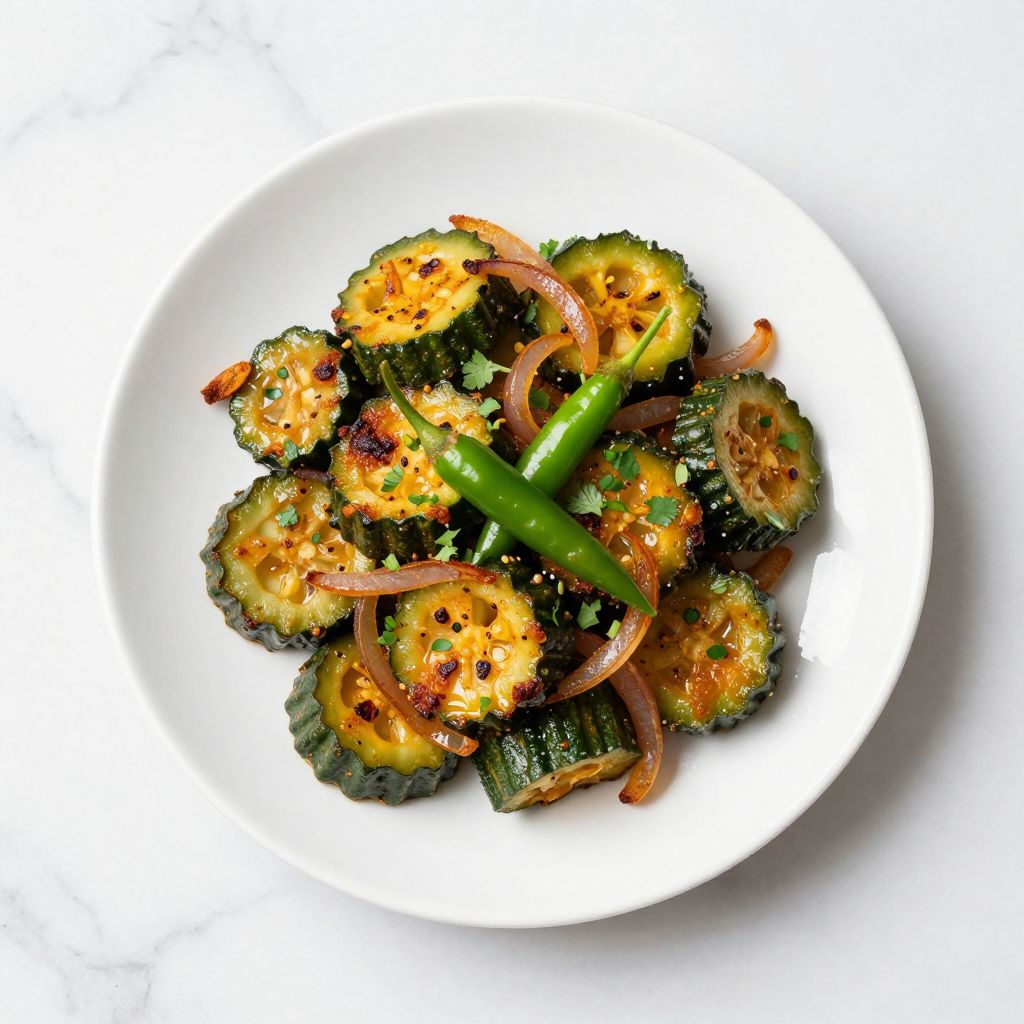
The first time I made this version, the kitchen filled with the aroma of cumin seeds crackling in hot oil. My family gathered around, skeptical but curious, and watched as golden brown karela rings emerged from the pan.
The verdict? Clean plates and requests for seconds. The slight bitterness remained but played nicely against the sweet onions and warm spices. Now I make this at least twice a month.
Recipe Overview
- Recipe Name: Karela Sabzi (Bitter Gourd Stir Fry)
- Servings: 4
- Prep Time: 20 minutes (plus 30 minutes salting)
- Cook Time: 20 minutes
- Total Time: 70 minutes
- Course: Main Course or Side Dish
- Cuisine: Indian
- Calories per Serving: 145
Equipment You Will Need
- Large mixing bowl for salting the karela
- Sharp knife and cutting board
- Wide skillet or kadhai (Indian wok)
- Wooden spatula or cooking spoon
- Clean kitchen towel or paper towels
- Measuring spoons
- Small bowl for spice mixture
Ingredients for Karela Recipe
- Bitter gourd (karela) 500 grams, about 4 medium sized
- Salt 1 tablespoon for debittering, plus more to taste
- Onion 2 medium, thinly sliced
- Mustard oil or vegetable oil 3 tablespoons
- Cumin seeds 1 teaspoon
- Turmeric powder half teaspoon
- Red chili powder 1 teaspoon, adjust to taste
- Coriander powder 1 teaspoon
- Amchur (dry mango powder) 1 teaspoon
- Garam masala half teaspoon
- Fresh green chilies 2, slit lengthwise (optional)
- Fresh coriander leaves 2 tablespoons, chopped for garnish
Ingredient Notes and Substitutions
- Bitter gourd: Choose firm, dark green karela with pointed ridges for best texture. Avoid any with yellow spots as they are overripe and extra bitter.
- Mustard oil: Traditional choice that adds a pungent kick. Substitute with vegetable oil or ghee if you prefer a milder flavor.
- Amchur: Provides tanginess that balances bitterness beautifully. Lemon juice (1 tablespoon) or tamarind paste works as a substitute.
- Red chili powder: Kashmiri chili gives color without extreme heat. Use paprika mixed with cayenne if unavailable.
- Onions: Essential for sweetness that counters the bitter notes. Do not skip these or reduce the quantity.
How to Make Karela Recipe
Step 1: Prepare the Bitter Gourd
Wash the karela thoroughly under running water and pat dry. Trim both ends, then slice into thin rounds about 3mm thick.
Uniform thickness matters here because it ensures even cooking. Thicker pieces stay raw inside while thin ones burn.
Step 2: Salt and Debitter the Karela
Place the sliced karela in a large bowl and sprinkle with 1 tablespoon of salt. Toss well to coat every piece, then set aside for 30 minutes.
Salt draws out the bitter juices through osmosis. This step is non negotiable if you want a pleasant eating experience.
Step 3: Squeeze Out the Bitter Liquid
After 30 minutes, you will notice brown liquid pooling in the bowl. Take small handfuls of karela and squeeze firmly to extract as much liquid as possible.
Really press hard here. The more liquid you remove, the less bitter your final dish will taste. Pat the squeezed slices dry with a kitchen towel.
Step 4: Heat the Oil and Temper the Spices
Heat the mustard oil in a wide skillet over medium high heat until it shimmers and just begins to smoke lightly. Add cumin seeds and let them crackle for about 10 seconds.
Mustard oil needs this heating step to mellow its raw, pungent flavor. Skipping this leaves an unpleasant sharpness.
Step 5: Fry the Karela Until Crispy
Add the squeezed karela slices to the hot oil in a single layer. Let them cook undisturbed for 3 minutes, then stir and continue frying for another 8 to 10 minutes.
Resist the urge to stir constantly. The karela needs contact time with the hot pan to develop those crispy, caramelized edges that taste incredible.
Step 6: Add the Onions
Push the karela to one side and add the sliced onions to the empty space. Saute the onions for 5 minutes until they turn golden and slightly caramelized.
The natural sugars in onions provide sweetness that balances the remaining bitterness. Golden onions also add beautiful color contrast.
Step 7: Add the Spice Powders
Reduce heat to medium low. Add turmeric, red chili powder, coriander powder, and amchur. Stir everything together for 1 minute to coat the karela and onions evenly.
Lower heat prevents the ground spices from burning, which would make them taste acrid. The brief cooking removes the raw spice flavor.
Step 8: Finish and Season
Sprinkle garam masala over the dish and add the green chilies if using. Taste and adjust salt if needed, remembering you already added salt earlier.
Cook for another 2 minutes to let the flavors meld. Transfer to a serving dish and garnish with fresh coriander leaves.
Pro Tip: For extra crispy karela, spread the fried pieces on a baking sheet and pop them under the broiler for 2 minutes. This trick gives restaurant quality crunch without deep frying.
Tips for the Best Karela Recipe
- Choose young, small karela as they tend to be less bitter than large, mature ones.
- Scrape the seeds out if you find them too bitter. The flesh has a more pleasant, milder taste.
- Do not wash the karela after salting. You will lose the surface starch that helps with crisping.
- Use a wide pan to avoid overcrowding. Crowded karela steams instead of frying.
- Add a pinch of sugar along with the spices if you want extra bitterness balance.
- Let the karela come to room temperature after squeezing. Cold vegetables lower oil temperature and get soggy.
Common Mistakes to Avoid
- Skipping the salting step: You will end up with unbearably bitter karela that nobody wants to eat.
- Not squeezing thoroughly: Leftover liquid makes the karela soggy and retains excessive bitterness.
- Cooking on low heat: The karela will steam and turn mushy instead of crisping up properly.
- Adding too much salt at the end: Remember the karela absorbed salt during debittering. Taste before adjusting.
- Overcrowding the pan: This traps steam and prevents the beautiful browning you want.
Serving Suggestions
This karela sabzi shines as part of an Indian thali or as a simple weeknight side. The bitter, spicy flavors need something mild to balance them.
- Hot chapati or paratha for scooping up every flavorful bite
- Steamed basmati rice with a dollop of ghee
- Cooling cucumber raita to contrast the spice
- Yellow dal tadka for a complete protein rich meal
- Plain yogurt on the side for those who want to temper the heat
Variations to Try
- Karela with potatoes: Add cubed potatoes during the frying step. They absorb spices and add starchy comfort.
- Stuffed karela: Make a slit lengthwise and stuff with spiced onion mixture before pan frying.
- Karela chips: Slice paper thin and deep fry until completely crisp for an addictive snack.
- South Indian style: Add curry leaves, mustard seeds, and grated coconut for a coastal twist.
- Karela with eggs: Scramble eggs into the finished karela for added protein and richness.
Dietary Adaptations
- Gluten free: This recipe is naturally gluten free. Just verify your spice blends contain no additives.
- Dairy free: Already dairy free when using vegetable or mustard oil instead of ghee.
- Vegan: Completely vegan as written. No modifications needed.
- Low carb and keto: Karela is very low in carbs, making this ideal for keto diets. Skip adding sugar if your variation includes it.
Storage and Reheating
Refrigerator
Store cooled karela in an airtight container. It keeps well for up to 4 days.
- Let it cool completely before refrigerating to prevent condensation
- The texture softens slightly but flavors actually improve overnight
Freezer
Freezing is possible but not ideal for this dish. The texture becomes quite soft upon thawing.
- Freeze in portions for up to 1 month
- Best used in stuffed parathas or mixed into rice dishes after freezing
Reheating
The skillet method works best for bringing back some crispness. Avoid the microwave if possible.
- Heat a dry skillet over medium high heat
- Add the karela and stir fry for 3 to 4 minutes
- A splash of oil helps re crisp the edges
Nutrition Information
| Nutrient | Amount |
|---|---|
| Calories | 145 |
| Total Fat | 10g |
| Saturated Fat | 1g |
| Carbohydrates | 12g |
| Fiber | 4g |
| Sugar | 4g |
| Protein | 3g |
| Sodium | 380mg |
| Cholesterol | 0mg |
Nutritional values are estimates based on standard ingredients and may vary depending on specific products used and portion sizes.
Frequently Asked Questions
Can I make karela less bitter without salt?
You can soak sliced karela in buttermilk or yogurt for 30 minutes instead. The acidity helps neutralize some bitter compounds, though salt remains more effective.
How do I pick the best karela at the store?
Look for firm, dark green karela with sharp, pointed ridges. Avoid any with soft spots, yellowing, or smooth ridges as these indicate overripeness and extra bitterness.
Can I prepare karela ahead of time?
Yes, you can salt, squeeze, and dry the karela slices up to 24 hours in advance. Store them covered in the refrigerator and bring to room temperature before cooking.
Why did my karela turn out soggy?
Soggy karela usually results from overcrowding the pan or not squeezing out enough liquid after salting. Use a wide pan and work in batches if needed.
Is karela safe to eat raw?
While not toxic, raw karela is extremely bitter and hard to digest. Cooking makes it more palatable and easier on your stomach.
Final Thoughts
This karela recipe proves that bitter gourd deserves a spot in your regular cooking rotation. The combination of proper debittering technique and aromatic spices creates something genuinely delicious.
Give this recipe a try and you might surprise yourself. Tag me in your karela creations because I love seeing how this underrated vegetable wins over new fans.
Karela Sabzi (Bitter Gourd Stir Fry)
Ingredients
Equipment
Method
- Wash the karela thoroughly under running water and pat dry. Trim both ends, then slice into thin rounds about 3mm thick. Ensure uniform thickness for even cooking.
- Place the sliced karela in a large bowl and sprinkle with 1 tablespoon of salt. Toss well to coat every piece, then set aside for 30 minutes to draw out the bitter juices.
- After 30 minutes, take small handfuls of karela and squeeze firmly to extract as much brown liquid as possible. Pat the squeezed slices dry with a kitchen towel.
- Heat the mustard oil in a wide skillet over medium high heat until it shimmers and just begins to smoke lightly. Add cumin seeds and let them crackle for about 10 seconds.
- Add the squeezed karela slices to the hot oil in a single layer. Let them cook undisturbed for 3 minutes, then stir and continue frying for another 8 to 10 minutes until crispy and golden brown.
- Push the karela to one side and add the sliced onions to the empty space. Saute the onions for 5 minutes until they turn golden and slightly caramelized.
- Reduce heat to medium low. Add turmeric, red chili powder, coriander powder, and amchur. Stir everything together for 1 minute to coat the karela and onions evenly.
- Sprinkle garam masala over the dish and add the green chilies if using. Taste and adjust salt if needed. Cook for another 2 minutes to let the flavors meld.
- Transfer to a serving dish and garnish with fresh coriander leaves. Serve hot with chapati, rice, or dal.