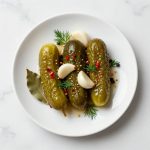
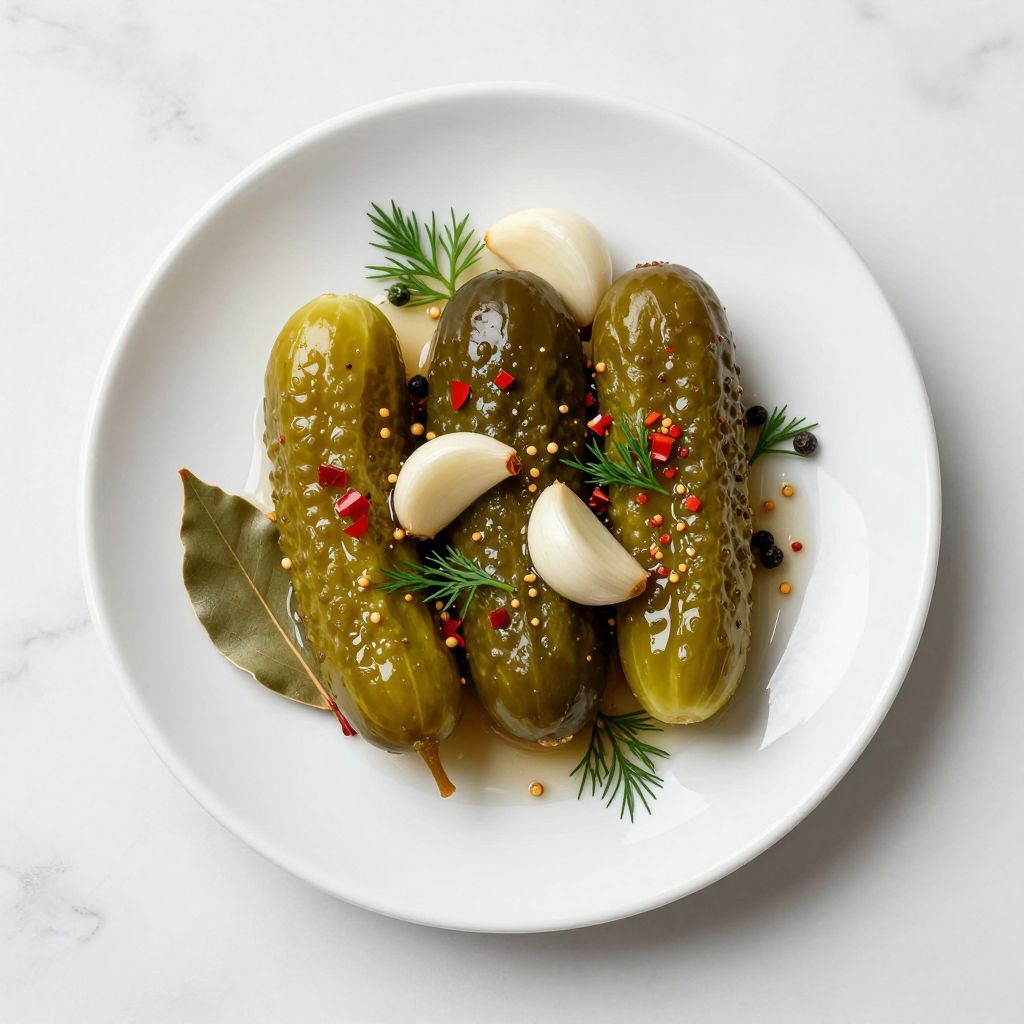
Spicy dill pickle recipe transforms fresh cucumbers into tangy, fiery fermented treats that pack serious flavor punch. If you love pickles with kick and want to skip the bland store-bought versions, this homemade approach delivers crunch and heat in every bite.
Making spicy dill pickles at home takes just a few hours of hands-on work and minimal special equipment. You’ll end up with shelf-stable jars that taste infinitely better than anything you can buy, and your friends will wonder where you found such incredible pickles.
Why You’ll Love This Recipe
Homemade spicy dill pickles offer freshness, control, and flavor that factory pickles simply cannot match. You pick the heat level, the garlic intensity, and the dill freshness, making every jar exactly what you crave.
- Customizable spice level from mild to tongue-tingling heat
- Fresh dill and garlic flavors shine brighter than commercial versions
- Satisfying crunch that stays crisp for weeks in the fridge
- Fermented benefits support gut health and digestion
- Budget-friendly and faster than you’d expect
My Experience Making This Recipe
The first time I made spicy dill pickles, I filled four jars on a lazy Sunday afternoon and forgot about them for three days. When I cracked open the first jar, the aroma hit me like a flavor bomb: garlicky, peppery, herbaceous, and impossibly fresh.
My husband grabbed a pickle straight from the jar and bit in without hesitation, then immediately reached for a second one. Within a week, two jars sat completely empty, and I was already planning my next batch with even more red pepper flakes.
The best part came two weeks later when a friend took one taste and asked for the recipe immediately. Now I make double batches just to keep up with requests, and honestly, I love having an excuse to fill my kitchen with this pickle-brined aroma.
Recipe Overview
- Recipe Name: Spicy Dill Pickle Recipe
- Servings: Makes 3 to 4 quart jars
- Prep Time: 25 minutes
- Cook Time: 15 minutes
- Total Time: 40 minutes plus 3 to 7 days fermentation
- Course: Condiment, Snack
- Cuisine: American, European
- Calories per Serving: 12 calories per pickle
Equipment You Will Need
- Large stainless steel stockpot
- Cutting board and sharp knife
- Measuring spoons and cups
- Three to four quart-sized glass jars with lids
- Wooden spoon or non-metal stirring utensil
- Funnel (optional but helpful)
- Kitchen scale (optional)
- Cheesecloth or coffee filter
Ingredients for Spicy Dill Pickle Recipe
- Fresh pickling cucumbers: 4 to 5 pounds, washed and trimmed
- Fresh dill: 1 bunch (about 8 to 10 sprigs per jar)
- Garlic cloves: 12 to 16 cloves, peeled and halved
- Red pepper flakes: 2 to 3 teaspoons total
- Black peppercorns: 2 teaspoons
- Mustard seeds: 1 teaspoon
- Coriander seeds: 1/2 teaspoon
- Apple cider vinegar: 3 cups
- Water: 3 cups
- Pickling salt: 3 tablespoons
- Bay leaves: 2 to 3 leaves
Ingredient Notes and Substitutions
- Pickling cucumbers: These small, thin-skinned varieties stay crunchier than slicing cucumbers because they have fewer seeds and thinner flesh. If you can’t find them, you can use small Kirby cucumbers, though the texture may be slightly softer after fermentation.
- Fresh dill: Fresh dill delivers far brighter flavor than dried dill and creates that authentic pickle shop taste. Dried dill works in a pinch, but use only one-third the amount since it concentrates during drying.
- Apple cider vinegar: The acetic acid in apple cider vinegar ferments cucumbers and adds subtle fruity notes that white vinegar cannot match. You can substitute white distilled vinegar in equal amounts, though the flavor becomes sharper and less complex.
- Red pepper flakes: These deliver consistent heat throughout the jar and keep the flavor bright. For a milder version, reduce to one-half teaspoon, or substitute fresh hot peppers sliced lengthwise (one to two peppers per jar).
- Pickling salt: This non-iodized salt dissolves cleanly without additives that cloud the brine. Regular table salt contains iodine and anti-caking agents that may discolor the pickles and create cloudiness.
How to Make Spicy Dill Pickle Recipe
Step 1: Prepare and Clean Your Cucumbers
Wash each cucumber under cool running water and scrub gently with a soft brush to remove any dirt or residue. Trim off both the blossom end and the stem end, cutting about one-quarter inch from each side, because enzymes in these areas can soften the pickles during fermentation.
Step 2: Sterilize Your Jars and Lids
Wash your glass jars and lids with hot soapy water, then rinse thoroughly with hot water. You can also run them through a hot dishwasher cycle immediately before use to ensure they are clean and warm when you fill them.
Step 3: Prepare Your Spice Mix
In a small bowl, combine the black peppercorns, mustard seeds, coriander seeds, and red pepper flakes. Divide this mixture evenly among your jars, distributing about one-half to three-quarters teaspoon into the bottom of each jar so the heat distributes throughout the fermentation.
Step 4: Layer Cucumbers and Aromatics
Place fresh dill sprigs on top of the spice mix in each jar, then add half of your garlic cloves. Pack the cucumbers vertically into each jar, fitting them snugly but not so tightly that they crush or prevent brine from flowing between them, then top with remaining garlic and bay leaves.
Step 5: Combine Water, Vinegar, and Salt
Pour three cups of water and three cups of apple cider vinegar into your stockpot, then add three tablespoons of pickling salt. Stir over medium-high heat until the salt dissolves completely, which takes about three to five minutes, then remove the pot from heat and let the brine cool for ten minutes.
Step 6: Pour Brine Over Cucumbers
Carefully pour the warm brine into each jar, leaving about one-half inch headspace at the top so the brine can expand slightly during fermentation. Use a funnel to avoid spills and splashes, and make sure all cucumbers stay submerged under the brine.
Step 7: Seal and Label Your Jars
Wipe the rim of each jar clean with a damp cloth, then screw on the lids securely but not so tight that gas cannot escape during fermentation. Label each jar with the date so you remember when you made them and can track their progress.
Step 8: Ferment at Room Temperature
Place the jars on a clean countertop away from direct sunlight, and let them ferment for three to seven days depending on your desired flavor intensity and room temperature. Taste one after three days, and if you want more tang and complexity, leave them for a few more days.
Step 9: Refrigerate and Store
Once the pickles reach your preferred flavor, screw the lids on tightly and transfer the jars to your refrigerator, where they will keep for up to three months. The cold slows fermentation almost to a stop, preserving the pickles at their current flavor stage.
Pro Tip: If your cucumbers float to the surface during fermentation, they may soften or mold where they contact the air, so weigh them down using a small glass jar or fermentation weight placed on top of the pickles inside the brine.
Tips for the Best Spicy Dill Pickle Recipe
- Use cucumbers picked within a day or two of pickling, since older cucumbers have softer cells that collapse more easily during fermentation. Check farmers markets or roadside stands for the freshest options rather than grocery store pickles that may have been sitting for weeks.
- Start your brine with filtered or distilled water if your tap water is heavily chlorinated, since chlorine can interfere with fermentation and create off-flavors. Chlorine-free water allows the natural fermentation microbes to thrive undisturbed.
- Taste your pickles on day three and then daily until they reach your preferred level of sourness and heat. What tastes perfect to you on day four might taste too sour on day seven, so catching them at your ideal moment matters.
- Keep your fermentation space at temperatures between 65 and 75 degrees Fahrenheit for steady, predictable fermentation. Warmer kitchens ferment faster but sometimes produce softer pickles, while colder spaces ferment slower and yield crunchier results.
- Save your leftover brine after eating the pickles, since you can use it to quick-pickle fresh vegetables like onions, radishes, or green beans in just two to three hours. This brine is liquid gold for adding tangy crunch to salads and sandwiches.
- Invest in fresh dill for this recipe rather than using dried or frozen varieties, since fresh dill provides the floral, bright notes that make homemade pickles sing. Store fresh dill in a damp paper towel inside a plastic bag in your refrigerator for up to two weeks.
Common Mistakes to Avoid
- Skipping the step of trimming both ends of the cucumber introduces enzymes that soften the pickles and make them mushy after just a few days. These enzyme-rich areas are the primary culprit in disappointing soft pickles, so take thirty seconds per cucumber to cut them away.
- Using table salt instead of pickling salt adds iodine and anti-caking agents that cloud the brine and create an unpleasant metallic flavor. Pickling salt costs just pennies more and makes a tremendous difference in clarity and taste.
- Packing the jar too tightly prevents brine from circulating evenly, leaving some cucumbers underbrined and others overly fermented. Pack them snugly enough that they do not float, but loosely enough that you can see brine flowing between the pickles.
- Fermenting in direct sunlight causes the pickles to fade in color and develop off-flavors from light exposure and excess heat. Choose a dark corner of your pantry or countertop away from windows for consistent results.
- Tasting pickles with a fork or knife that touches your mouth and then goes back into the jar introduces bacteria that can lead to mold or spoilage. Always use a clean utensil each time, or simply pour pickles and brine into a small bowl before tasting.
Serving Suggestions
Spicy dill pickles shine as a crunchy snack straight from the jar, but they also elevate burgers, sandwiches, charcuterie boards, and relish trays with their bold flavor. Serve them with the brine so guests can sip the tangy liquid as a natural probiotic shooter after the pickles are gone.
- Serve alongside cured meats and aged cheeses for a traditional charcuterie board
- Chop and add to relish or tartar sauce for fish tacos and fried fish sandwiches
- Top nachos with diced spicy pickles and drizzle with some of the brine for intense flavor
- Pair with smoked brisket, pulled pork, or other barbecue as a bright, acidic counterpoint
- Serve as a palate cleanser between rich or spicy courses at dinner parties
Variations to Try
- Garlic and Herb Blend: Add fresh thyme, oregano, and extra garlic for a Mediterranean spin that tastes like Greek island summers. This variation pairs beautifully with olives and feta cheese on boards or in salads.
- Smoky Heat: Include one-half teaspoon of smoked paprika and one dried chipotle pepper per jar for a deep, smoky heat that complements barbecue and grilled meats. The smoke adds complexity that brightens as the pickles ferment.
- Sweeter Style: Add one-quarter cup of honey or one-eighth cup of maple syrup to the brine for a sweet-spicy balance that appeals to those who prefer less pucker. The sweetness amplifies the garlic and dill while rounding out the raw heat.
- Whole Spice Blend: Replace dried spices with whole fresh ingredients like coriander, fennel, and caraway seeds for earthier, more herbaceous pickles that taste like artisanal delis. Toast the spices lightly in a dry pan for thirty seconds before adding to the jars to amplify their flavors.
- Turmeric Golden Pickles: Add one-quarter teaspoon of ground turmeric and one-quarter teaspoon of ground ginger per jar for anti-inflammatory golden pickles with warming spice notes. These taste incredible with Indian curries and roasted chicken.
Dietary Adaptations
- Gluten-Free: This recipe is naturally gluten-free as written, since all ingredients contain no gluten or gluten-containing additives. Verify that your vinegar and salt labels confirm gluten-free status if you have severe sensitivity.
- Dairy-Free: The basic spicy dill pickle recipe contains no dairy products of any kind, making it perfect for those avoiding milk and cheese. Serve alongside dairy-free foods for a completely plant-based meal component.
- Vegan and Vegetarian: Both diets enjoy this recipe fully since pickles contain no animal products or byproducts. Share pickles freely with vegetarian and vegan guests knowing they are completely aligned with their dietary choices.
- Low-Carb and Keto: One medium pickle contains only two to three grams of carbohydrates and zero net carbs after accounting for fiber, making them ideal for keto lifestyles. Fermented vegetables like these pickles also support ketogenic digestion and provide probiotics.
Storage and Reheating
Refrigerator
Transfer finished pickles to the refrigerator in their sealed jars, where they will keep for up to three months without spoiling. The cold temperature halts fermentation, preserving the pickles at exactly the flavor level you prefer.
- Store jars on a shelf away from the back wall to maintain consistent temperature
- Keep lids tightly sealed to prevent oxidation and flavor loss
- Discard any pickle that develops mold or smells off
Freezer
You can freeze spicy dill pickles to extend their shelf life to six months, though the texture becomes softer after thawing. Frozen pickles work best when thawed and used in relishes, chopped toppings, or brine applications rather than eaten whole.
- Freeze pickles in airtight freezer bags with brine to prevent freezer burn
- Thaw overnight in the refrigerator before using
- Use thawed pickles within two weeks of defrosting
Reheating
These pickles are best enjoyed cold directly from the refrigerator and do not require reheating. If you want to use the brine as a warm dressing or sauce, pour it into a saucepan and heat gently over medium heat until warm, then drizzle over hot foods.
- Never boil the brine, as high heat destroys the beneficial probiotics
- Use warm brine to dress cooked vegetables or grain bowls
- Pour warm brine over fried fish or chicken for bright acidity
Nutrition Information
| Nutrient | Amount |
|---|---|
| Calories | 12 |
| Total Fat | 0.1g |
| Saturated Fat | 0g |
| Carbohydrates | 2.5g |
| Fiber | 0.5g |
| Sugar | 1g |
| Protein | 0.5g |
| Sodium | 420mg |
| Cholesterol | 0mg |
Nutrition values represent one medium pickle with a small amount of brine and assume a standard recipe yield. Values vary slightly based on the exact size of your cucumbers and how much brine you consume with each pickle.
Frequently Asked Questions
Can I use regular vinegar instead of apple cider vinegar?
Yes, white distilled vinegar works perfectly in equal amounts, though you lose the subtle fruity undertones that apple cider vinegar provides. The resulting pickles taste sharper and more straightforward, which some people actually prefer.
How can I make my pickles less soft?
Softer texture usually stems from using older cucumbers, fermenting too long, or keeping the jars too warm. Select the
Spicy Dill Pickle Recipe
Ingredients
Equipment
Method
- Wash each cucumber under cool running water and scrub gently with a soft brush to remove any dirt or residue. Trim about one-quarter inch off both the blossom and stem ends to prevent softening during fermentation.
- Wash glass jars and lids thoroughly with hot soapy water, rinse well, and optionally run through a hot dishwasher cycle to sterilize and warm them.
- In a small bowl, combine black peppercorns, mustard seeds, coriander seeds, and red pepper flakes. Divide the spice mix evenly among the jars, placing about one-half to three-quarters teaspoon at the bottom of each jar.
- Layer fresh dill sprigs on top of the spices in each jar, then add half of the garlic cloves.
- Pack cucumbers vertically into each jar, fitting them snugly but leaving space for brine to flow. Add remaining garlic cloves and bay leaves on the top.
- In a large stainless steel stockpot, combine 3 cups water, 3 cups apple cider vinegar, and 3 tablespoons pickling salt. Stir over medium-high heat until the salt dissolves completely, about 3 to 5 minutes. Remove from heat and let the brine cool for 10 minutes.
- Carefully pour the warm brine over cucumbers in each jar, leaving about one-half inch headspace. Use a funnel to avoid spills and ensure all cucumbers are submerged.
- Wipe rims of jars clean with a damp cloth, then screw on lids securely but not too tight to allow gases to escape during fermentation. Label jars with the date.
- Place jars on a clean countertop away from direct sunlight and ferment at room temperature (65–75°F) for 3 to 7 days based on preferred flavor. Taste starting at day three and continue until desired tanginess is achieved.
- Once fermentation reaches your preferred flavor, screw lids on tightly and transfer jars to refrigerator. Pickles will keep up to three months refrigerated.