Masa for tamales is the soul of authentic tamales, and making it from scratch transforms your cooking game entirely. This simple blend of masa harina, lard, broth, and seasonings creates a light, fluffy dough that steams into pillowy perfection inside corn husks. If you’ve ever tasted a homemade tamale, you know the difference between store-bought masa and the real deal.
Once you master this recipe, you’ll understand why families across Mexico and beyond guard their masa techniques like treasures. Let’s walk through exactly how to build the foundation of incredible tamales.
Why You’ll Love This Recipe
This masa recipe delivers tender, moist tamales with a light crumb that falls apart on your tongue. You control every ingredient, skip preservatives, and create something far superior to packaged alternatives.
- Fluffy texture that steams to perfection in minutes
- Rich flavor from quality lard and good broth
- Scales easily for small batches or feeding a crowd
- Budget-friendly when made with pantry staples
- Makes enough to freeze and use throughout the year
My Experience Making This Recipe
I first learned to make masa at my grandmother’s kitchen counter on a cold December morning, and the aroma alone was worth every minute. She taught me that properly beaten masa should float in cold water, a test that seemed magical until she explained the science: whipped air creates lift.
The first batch I made on my own, I under-beat the mixture and ended up with dense, heavy tamales that my family ate anyway (out of love, I’m sure). The second attempt, I invested in a stand mixer and beat that masa for the full fifteen minutes, and the difference was absolutely night and day.
Now when I make tamales for gatherings, people ask for my recipe immediately. They don’t realize the secret isn’t some hidden ingredient, it’s simply patience and proper technique with quality ingredients.
Recipe Overview
- Recipe Name: Masa for Tamales
- Servings: Makes approximately 60 tamales (8 cups masa)
- Prep Time: 15 minutes
- Cook Time: None (assembly time only)
- Total Time: 15 minutes
- Course: Main Ingredient
- Cuisine: Mexican
- Calories per Serving: 180 (per 2 tablespoon serving)
Equipment You Will Need
- Stand mixer with paddle attachment (or electric hand mixer)
- Large mixing bowl
- Measuring cups and spoons
- Wooden spoon (for testing consistency)
- Kitchen scale (optional but helpful)
- Thermometer (to check broth temperature)
Ingredients for Masa for Tamales
- 4 cups masa harina (corn flour made from nixtamalized corn)
- 2 cups lard (room temperature, or vegetable shortening)
- 2 cups warm chicken or vegetable broth (about 100 to 110 degrees)
- 1 tablespoon baking powder
- 1 teaspoon salt
- 1/2 teaspoon ground cumin (optional)
- 1/4 teaspoon white pepper (optional)
Ingredient Notes and Substitutions
- Masa harina: This is finely ground nixtamalized corn flour, essential for authentic tamale texture and flavor. If unavailable, you can substitute cornmeal mixed with a tiny amount of lime juice, though the result will be less authentic and slightly grainier.
- Lard: Lard produces the lightest, fluffiest masa and creates superior flavor that vegetable shortening cannot match. Vegetable shortening works in a pinch and produces nearly identical results, but lacks the subtle richness lard provides.
- Warm broth: Warm broth incorporates more evenly than cold liquid and helps the masa reach the perfect consistency faster. Cold broth works but requires longer mixing time and may result in slightly uneven hydration throughout the dough.
- Baking powder: This leavening agent creates the characteristic light texture and helps tamales rise during steaming. Omitting it results in denser tamales that still taste good but lack that signature fluffy crumb.
- Salt: Salt enhances all flavors and balances richness from the lard. You can reduce it to one-half teaspoon if your broth is already salted, but don’t skip it entirely.
How to Make Masa for Tamales
Step 1: Bring Your Lard to Room Temperature
Remove your lard from the refrigerator and let it sit at room temperature for at least an hour. Cold lard won’t incorporate properly into the masa and will create lumps instead of a smooth, unified dough.
Step 2: Combine Dry Ingredients
Pour the four cups of masa harina into a large mixing bowl and sift in the baking powder, salt, cumin, and white pepper if using them. Sifting distributes the leavening agent evenly, preventing pockets of baking powder that can create bitter flavors.
Step 3: Heat Your Broth
Warm your broth to between 100 and 110 degrees, checking with a thermometer if you have one. Broth at this temperature incorporates smoothly and helps activate the baking powder, which works best when mixed with warm liquid.
Step 4: Add Lard to the Mixer
Place the room-temperature lard in the bowl of your stand mixer fitted with the paddle attachment. You can also use an electric hand mixer in a large bowl, though the stand mixer gives you freedom to step back while it works.
Step 5: Beat the Lard Until Fluffy
Turn the mixer to medium-high speed and beat the lard for three to five minutes until it resembles fluffy clouds. The lard will lighten in color and increase in volume, trapping tiny air pockets that create the light texture in your finished tamales.
Step 6: Alternate Dry Ingredients and Broth
With the mixer running on medium speed, add half of your masa harina mixture, then pour in the warm broth slowly while beating. Stop the mixer and add the remaining masa harina, beating again until fully combined and smooth.
Step 7: Beat Until Proper Consistency Is Reached
Continue beating on medium speed for five to seven more minutes until the masa is light, fluffy, and pale in color. The mixture should hold soft peaks when you lift the paddle and should be thick enough to hold its shape but spreadable.
Step 8: Test the Floatation Method
Drop a small teaspoon of masa into a glass of cold water. If it floats immediately, your masa is ready; if it sinks, beat it for another minute or two and test again.
Step 9: Adjust Consistency If Needed
If your masa feels too thick, add broth one tablespoon at a time until it reaches the right consistency. If it feels too thin, beat it longer, which will incorporate more air and thicken the mixture naturally.
Pro Tip: The most common mistake home cooks make is not beating the masa long enough, resulting in heavy, dense tamales that disappoint even before they’re steamed.
Tips for the Best Masa for Tamales
- Use high-quality masa harina from a Mexican market rather than the grocery store version, which often contains fillers and produces inferior results.
- Keep your lard at room temperature throughout the process to ensure proper incorporation and maximum volume.
- Beat the masa longer than you think necessary; underbeat masa is the number one reason homemade tamales disappoint.
- Don’t skip the floatation test, as it reliably tells you when your masa has enough air incorporated to create light tamales.
- Make your masa no more than two hours before assembling tamales, as it can dry out and become difficult to spread if it sits too long.
- If making masa in advance, cover it tightly with plastic wrap and refrigerate for up to eight hours, then bring to room temperature and re-beat briefly before using.
Common Mistakes to Avoid
- Using cold lard: This creates lumps and prevents proper incorporation, resulting in grainy masa that produces tough tamales instead of tender ones.
- Not beating long enough: Underbeaten masa lacks the air pockets needed for light texture and creates dense, heavy tamales that taste more like cornmeal mush.
- Adding cold broth: Cold liquid mixes unevenly and takes longer to incorporate, potentially creating pockets of dry masa flour throughout your dough.
- Overfilling tamales: Too much masa in each tamale prevents proper steaming and creates dry, tough results instead of tender, moist ones.
- Skipping the floatation test: This simple technique reliably indicates when your masa is ready, and skipping it means guessing and frequently getting disappointing results.
Serving Suggestions
Use this masa to assemble tamales with your choice of fillings, then steam them and serve warm with salsa, crema, and fresh lime wedges. Each batch makes enough masa for roughly sixty tamales depending on how generously you fill them.
- Rajas con queso (poblano peppers and cheese filling)
- Chicken with mole sauce filling
- Red chile and pork filling
- Cheese and jalapeño filling for a spicy kick
- Vegetarian black bean and cheese filling
Variations to Try
- Green tamale masa: Substitute one cup of the broth with salsa verde, which adds bright green color and tangy flavor that pairs beautifully with chicken or cheese fillings.
- Sweet masa for tamales dulces: Replace the salt with two tablespoons of sugar and add one teaspoon of vanilla extract, creating a sweet dough perfect for fruit or chocolate fillings.
- Lighter masa with oil: Substitute vegetable oil for half the lard, which creates a slightly less rich masa that still steams perfectly and appeals to those avoiding heavy fats.
- Chile-spiced masa: Add two tablespoons of ground dried chile powder to the dry ingredients, infusing deep color and complex spice throughout every tamale.
- Masa with cheese: Fold in one cup of shredded cotija or queso fresco after beating is complete, creating creamy pockets of salty cheese throughout the tamales.
Dietary Adaptations
- Gluten-free: This recipe is naturally gluten-free when using certified gluten-free masa harina and baking powder, with no modifications needed.
- Dairy-free: This recipe contains no dairy and is already dairy-free as written, though some fillings may contain cheese.
- Vegan: Replace lard with vegetable shortening or vegan butter in equal amounts, and use vegetable broth instead of chicken broth for completely plant-based masa.
- Low-carb or keto: Unfortunately, this recipe cannot be successfully adapted to low-carb because masa harina is primarily corn starch, which is high in carbohydrates by nature.
Storage and Reheating
Refrigerator
Store finished masa in an airtight container in the refrigerator for up to three days, though it’s best used within twenty-four hours of making.
- Cover tightly with plastic wrap before placing the lid on your container to prevent drying.
- Bring to room temperature and briefly re-beat before using if the masa has been refrigerated.
Freezer
Freeze assembled tamales wrapped individually in plastic wrap and stored in a freezer bag for up to three months, rather than freezing raw masa.
- Freeze tamales on a baking sheet before wrapping to prevent them from sticking together.
- Thaw overnight in the refrigerator before steaming, or steam directly from frozen (add five to ten minutes to cooking time).
Reheating
Reheat steamed tamales by wrapping them in a damp paper towel and microwaving for one to two minutes, or by placing them in a steamer basket over simmering water for five minutes.
- Avoid reheating in the oven, which dries out the masa significantly.
- Tamales stay moist and tender for three days when properly stored and reheated with steam.
Nutrition Information
| Nutrient | Amount |
|---|---|
| Calories | 180 |
| Total Fat | 12g |
| Saturated Fat | 5g |
| Carbohydrates | 16g |
| Fiber | 2g |
| Sugar | 0g |
| Protein | 3g |
| Sodium | 420mg |
| Cholesterol | 12mg |
These values represent nutrition per two-tablespoon serving of raw masa and will vary based on your specific filling and cooking method. Nutritional information is estimated and not guaranteed.
Frequently Asked Questions
Can I make masa without a stand mixer?
Yes, you can use an electric hand mixer or beat by hand with a wooden spoon, though this requires significantly more effort. Hand beating takes fifteen to twenty minutes and demands strong arm endurance, while a stand mixer takes only ten to twelve minutes total.
What if my masa won’t float in the cold water test?
This means your masa needs more air incorporated, so continue beating on medium speed for another two to three minutes and test again. Some masa may require up to eighteen minutes of total beating time depending on your mixer’s power and your room temperature.
Can I make masa with shortening instead of lard?
Yes, vegetable shortening produces nearly identical results and is an acceptable substitute if you prefer not to use lard. The flavor will be slightly less rich, but the texture will be equally light and fluffy.
How much filling should I put in each tamale?
Use roughly one tablespoon of masa on the corn husk and one teaspoon of filling in the center, which prevents the tamale from bursting open during steaming. Overstuffed tamales are nearly impossible to wrap, and the filling leaks out during cooking.
Can I use store-bought corn masa instead of masa harina?
Fresh corn masa from a local mill creates superior results compared to masa harina, so absolutely use it if available in your area. Fresh masa may require slightly less broth to reach the proper consistency, so add it gradually and adjust as needed.
How do I know when my tamales are fully cooked?
Tamales are done steaming when the masa pulls away cleanly from the corn husk without sticking, usually after forty-five to sixty minutes depending on tamale size. A test tamale unwraps easily and holds its shape when done.
Final Thoughts
Making masa for tamales from scratch is one of those kitchen skills that seems intimidating until you realize it’s simply lard, flour, broth, and a little patience. Once you’ve beaten out that first perfect batch and tasted the difference it makes, you’ll never go back to shortcuts again.
Your family and friends will taste the love and care you put into these tamales, and they’ll ask you for the recipe knowing something extraordinary went into them. Get in the kitchen, grab those ingredients, and create something your loved ones will remember for years to come.
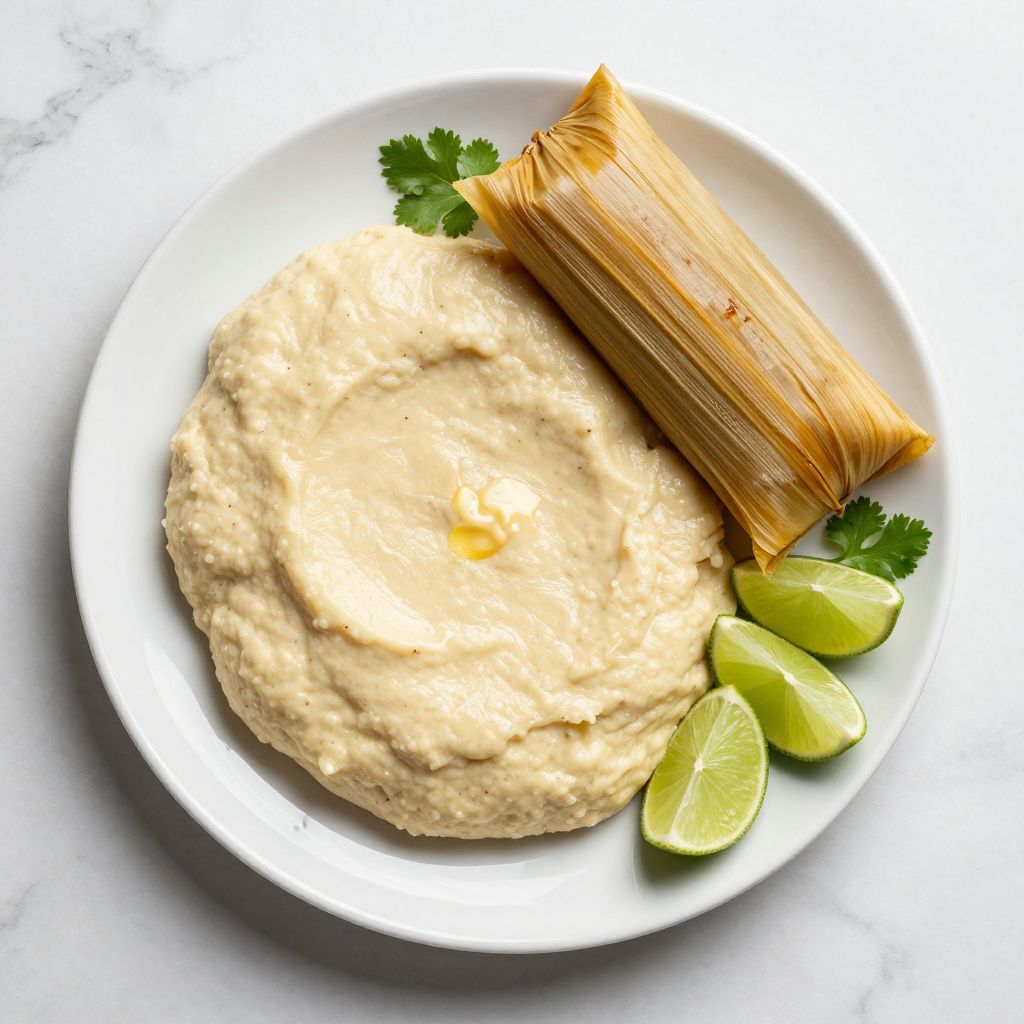
Masa for Tamales
Ingredients
Equipment
Method
- Remove your lard from the refrigerator and let it sit at room temperature for at least an hour to ensure it incorporates properly.
- Pour the four cups of masa harina into a large mixing bowl and sift in the baking powder, salt, cumin, and white pepper if using them.
- Warm your broth to between 100 and 110 degrees Fahrenheit, checking with a thermometer if available.
- Place the room-temperature lard in the bowl of your stand mixer fitted with the paddle attachment.
- Turn the mixer to medium-high speed and beat the lard for three to five minutes until it resembles fluffy clouds; the lard will lighten in color and increase in volume.
- With the mixer running on medium speed, add half of the masa harina mixture, then pour in the warm broth slowly while beating.
- Stop the mixer and add the remaining masa harina, beating again until fully combined and smooth.
- Continue beating on medium speed for five to seven more minutes until the masa is light, fluffy, pale in color, and holds soft peaks.
- Drop a small teaspoon of masa into a glass of cold water; if it floats immediately, your masa is ready. If it sinks, beat it for another minute or two and test again.
- If the masa feels too thick, add broth one tablespoon at a time until it reaches the right consistency; if too thin, beat it longer to thicken naturally.