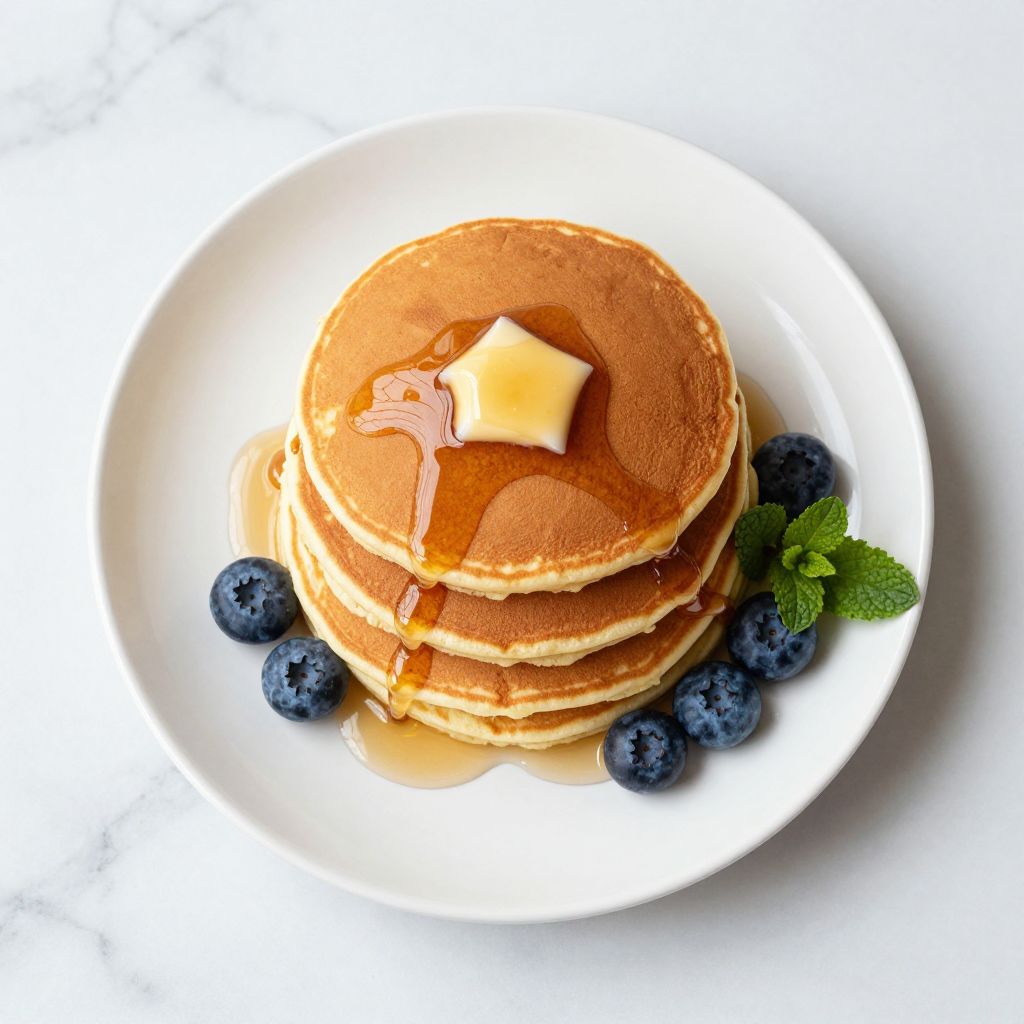
Betty Crocker pancakes are the ultimate weekday breakfast that delivers fluffy, golden-brown results every single time. This classic Betty Crocker pancake recipe uses simple pantry staples and takes just 20 minutes from mixing bowl to plate, making it perfect for busy mornings when you need something satisfying fast.
Whether you’re feeding a crowd or treating yourself to a leisurely weekend breakfast, these pancakes strike that perfect balance between crispy edges and a tender, cloud-like interior. Let me walk you through exactly how to nail this beloved recipe.
Why You’ll Love This Recipe
This recipe works because it removes all the guesswork from pancake making. You get consistent, reliable results without fussy techniques or hard-to-find ingredients.
- Ready in under 20 minutes from start to finish
- Uses ingredients you already have in your kitchen
- Makes fluffy pancakes with crispy edges every single time
- Easily doubles or triples for feeding a family
- Works great for meal prep and freezer-friendly leftovers
My Experience Making This Recipe
I grew up on Betty Crocker pancakes, and they remain my go-to when I need breakfast fast. The smell of them cooking on the griddle brings back memories of Saturday mornings before soccer games.
What I love most is how forgiving the recipe is for beginners. I’ve watched friends who claim they can’t cook flip these pancakes perfectly on their first try. The batter has just the right consistency that spreads evenly without spreading too thin.
My family requests these constantly, and I’ve perfected small tricks like adding a touch more vanilla and letting the batter rest that make them taste just slightly better each time. Your guests will genuinely think you made them from scratch.
Recipe Overview
- Recipe Name: Betty Crocker Pancakes
- Servings: 12 to 16 pancakes (serves 4 to 6)
- Prep Time: 5 minutes
- Cook Time: 12 to 15 minutes
- Total Time: 17 to 20 minutes
- Course: Breakfast
- Cuisine: American
- Calories per Serving: 140 calories per pancake
Equipment You Will Need
- Large mixing bowl
- Medium mixing bowl
- Measuring cups and spoons
- Whisk or fork
- Griddle or large nonstick skillet
- Spatula
- Ladle or quarter-cup measuring cup for scooping batter
Ingredients for Betty Crocker Pancakes
- 2 cups all-purpose flour
- 2 tablespoons granulated sugar
- 2 teaspoons baking powder
- 1 teaspoon salt
- 2 eggs
- 1 3/4 cups whole milk
- 2 tablespoons melted butter
- 1 teaspoon vanilla extract
Ingredient Notes and Substitutions
- All-purpose flour: This neutral flour provides structure and helps pancakes hold their shape without becoming dense. You can substitute with cake flour for extra tenderness, though you may need slightly less since cake flour is softer.
- Baking powder: This is your leavening agent that makes pancakes rise and become fluffy. If you only have baking soda on hand, use half a teaspoon plus half a teaspoon of cream of tartar mixed together as a substitute.
- Eggs: Eggs bind the ingredients together and add richness. If you’re out of eggs, use two tablespoons of applesauce mixed with a splash of milk as a binder, though your pancakes will be slightly less fluffy.
- Whole milk: The fat in whole milk creates tender pancakes. You can swap it for two percent milk or even buttermilk, which adds tanginess and extra tenderness.
- Melted butter: This adds flavor and helps create crispy edges. Vegetable oil works in a pinch but won’t give you quite the same rich taste.
How to Make Betty Crocker Pancakes
Step 1: Mix Your Dry Ingredients
Whisk together flour, sugar, baking powder, and salt in a large bowl. Combining these before adding any wet ingredients distributes the leavening agent evenly throughout the batter, ensuring your pancakes rise uniformly.
Step 2: Combine Your Wet Ingredients
In a separate medium bowl, beat the eggs and then stir in the milk, melted butter, and vanilla extract. Mixing these separately first prevents lumps and gives you better control over the batter texture.
Step 3: Create the Batter
Pour the wet ingredients into the dry ingredients and stir gently with a whisk or fork until just barely combined. Some small lumps are your friend here; overmixing develops gluten and makes pancakes tough and chewy instead of fluffy.
Step 4: Let the Batter Rest
Let the batter sit for two to three minutes at room temperature. This resting period allows the flour to fully hydrate and the baking powder to activate slightly, which helps create better rise and fluffier pancakes.
Step 5: Preheat Your Cooking Surface
Heat a griddle or large nonstick skillet over medium heat for about two minutes. You’ll know it’s ready when a drop of water sizzles immediately upon contact with the surface.
Step 6: Lightly Grease if Needed
If using a non-nonstick skillet, lightly butter or oil the surface. A nonstick griddle usually doesn’t need added fat, but a light coating prevents sticking and helps you achieve golden-brown, crispy edges.
Step 7: Scoop and Cook
Pour about one quarter cup of batter onto the griddle for each pancake, leaving about two inches between them. Watch for bubbles to form on top and the edges to look slightly dry, which takes about two to three minutes.
Step 8: Flip and Finish
Flip each pancake once the bubbles pop and edges look set, and cook for another one to two minutes until the bottom is golden brown. Flip only once; multiple flips deflate the pancakes and prevent them from rising properly.
Step 9: Keep Warm and Serve
Transfer finished pancakes to a warm plate or baking sheet in a 200-degree oven while you finish cooking the remaining batter. This keeps them warm for serving without drying them out.
Pro Tip: Don’t walk away from the griddle while cooking; pancakes cook fast, and catching them right at the flip point makes all the difference between fluffy and flat.
Tips for the Best Betty Crocker Pancakes
- Use medium heat, not high; too much heat burns the outside before the inside cooks through, leaving you with dark pancakes that are still raw in the middle.
- Let your batter rest for a few minutes after mixing to give the flour time to absorb the liquid and create fluffier pancakes.
- If your first pancake comes out less fluffy than you’d like, the griddle probably wasn’t quite hot enough; adjust and try again.
- Add chocolate chips, blueberries, or banana slices to the batter right after pouring onto the griddle so they distribute evenly and cook into the pancake.
- Use a ladle or quarter-cup measure to scoop batter; this creates uniform pancake sizes that cook at the same rate.
- Save your first pancake as a “tester” to adjust heat; this pancake often looks different than the rest while you find your rhythm.
Common Mistakes to Avoid
- Overmixing the batter: Beating the batter too vigorously develops gluten, which makes pancakes dense and tough rather than tender and fluffy.
- Flipping multiple times: Flipping more than once deflates the bubbles you worked to create and results in flat, sad pancakes.
- Using too-hot heat: High heat burns the exterior while leaving the interior undercooked and gummy; medium heat lets them cook through evenly.
- Skipping the rest period: Rushing to cook immediately after mixing prevents proper hydration and leavening activation, reducing fluffiness.
- Making them too thin: Pouring too much batter spreads them wide and thin so they cook too fast and become rubbery instead of tender.
Serving Suggestions
Betty Crocker pancakes are the blank canvas for whatever toppings you love. Serve them fresh and hot for the best texture, and let each person customize their plate.
- Maple syrup with butter and fresh whipped cream
- Fresh berries with a drizzle of honey and Greek yogurt
- Nutella and sliced strawberries for a dessert-for-breakfast vibe
- Cinnamon sugar and a sprinkle of chopped pecans
- Scrambled eggs and bacon on the side for a hearty breakfast plate
Variations to Try
- Blueberry pancakes: Fold one cup of fresh or frozen blueberries into the batter just before cooking; frozen berries work best because they don’t break apart as easily.
- Buttermilk pancakes: Swap the whole milk for buttermilk and reduce the baking powder to one teaspoon while adding half a teaspoon of baking soda for a tangier, more tender pancake.
- Chocolate chip pancakes: Stir one cup of chocolate chips into the finished batter, and pour onto the griddle; the heat will partially melt them into the pancakes.
- Banana pancakes: Mash one ripe banana into the wet ingredients for natural sweetness and a subtle banana flavor that pairs beautifully with maple syrup.
- Cornmeal pancakes: Substitute half a cup of all-purpose flour with cornmeal for a slightly grittier texture and a nod to old-fashioned pancakes.
Dietary Adaptations
- Gluten-free: Use a one-to-one gluten-free flour blend in place of all-purpose flour; the result is slightly denser but still delicious, and you’ll get the same cooking time.
- Dairy-free: Swap the whole milk for almond or oat milk and use melted coconut oil instead of butter; the pancakes will be just as fluffy with a slightly different flavor profile.
- Vegan: Replace eggs with two tablespoons of applesauce or ground flaxseed mixed with three tablespoons of water, use dairy-free milk and oil, and the pancakes turn out tender though slightly less fluffy.
- Low-carb or keto: Use almond flour mixed with coconut flour, swap sugar for a sweetener like erythritol, and expect denser pancakes that work better with more toppings and less syrup.
Storage and Reheating
Refrigerator
Store leftover pancakes in an airtight container for up to four days. Layer them with parchment paper between each pancake to prevent sticking.
- Keep them in a sealed container on the bottom shelf
- They stay fresh for up to four days
- Parchment between layers prevents them from sticking together
Freezer
Betty Crocker pancakes freeze beautifully for up to three months. Lay them flat on a baking sheet, freeze until solid, then transfer to a freezer bag or container.
- Freeze on a baking sheet first to prevent clumping
- Transfer to freezer bags after they’re frozen solid
- They keep for up to three months frozen
Reheating
Reheat frozen or refrigerated pancakes in the toaster on medium-high heat for one to two minutes per side. This restores crispiness better than microwaving.
- Use the toaster for best results and restores crispiness
- Microwave for 30 seconds if you’re in a hurry but expect softer pancakes
- Oven reheating at 350 degrees for five minutes works for larger batches
Nutrition Information
| Nutrient | Amount |
|---|---|
| Calories | 140 |
| Total Fat | 4g |
| Saturated Fat | 2g |
| Carbohydrates | 22g |
| Fiber | 0g |
| Sugar | 3g |
| Protein | 3g |
| Sodium | 310mg |
| Cholesterol | 35mg |
These values are approximate and based on one pancake using the ingredients listed. Nutritional content may vary slightly based on specific brands and how you measure your ingredients.
Frequently Asked Questions
Can I make the batter ahead of time?
Yes, you can refrigerate the batter in an airtight container for up to 24 hours. The batter may thicken slightly, so add a splash of milk to reach the right consistency before cooking.
Why are my pancakes turning out flat?
Flat pancakes usually come from overmixing the batter, which develops gluten, or from griddle temperature that’s too low. Stir gently and ensure your griddle is hot enough that water droplets sizzle immediately.
Can I use self-rising flour instead of all-purpose flour?
You can, but reduce the baking powder to half a teaspoon and omit the salt since self-rising flour contains both. Your pancakes will turn out fine with these adjustments.
How do I know when to flip my pancakes?
Watch for bubbles to form on the top surface and for the edges to look slightly dry and set. This usually takes two to three minutes; flip once and cook for another minute or two until golden brown.
Do I need to use melted butter or can I use oil?
Melted butter is preferred for flavor, but vegetable or canola oil works fine in a pinch. Coconut oil adds a subtle flavor that some people love and others skip.
What if I don’t have baking powder?
Make a substitute by mixing half a teaspoon of baking soda with half a teaspoon of cream of tartar; this creates a baking powder-like effect. Mix this combination with your dry ingredients as you would baking powder.
Final Thoughts
Betty Crocker pancakes have earned their place in American breakfast culture for good reason: they’re reliable, delicious, and require zero fancy skills or ingredients. Making them has taught me that sometimes the simplest recipes are the most satisfying, and there’s real joy in mastering something this classic.
Fire up your griddle this weekend and make a batch for yourself or someone you love. These pancakes deliver comfort and warmth in every fluffy bite, and I promise you’ll understand why they’ve been a breakfast favorite for generations.
Betty Crocker Pancakes
Ingredients
Equipment
Method
- Whisk together flour, sugar, baking powder, and salt in a large bowl to evenly distribute the leavening agent.
- In a separate medium bowl, beat the eggs, then stir in the milk, melted butter, and vanilla extract to avoid lumps and achieve better batter texture.
- Pour the wet ingredients into the dry ingredients and stir gently with a whisk or fork until just barely combined; small lumps are fine, avoid overmixing to keep pancakes fluffy.
- Let the batter rest at room temperature for 2 to 3 minutes to allow flour hydration and baking powder activation for better rise and fluffiness.
- Preheat a griddle or large nonstick skillet over medium heat for about 2 minutes; the surface is ready when a drop of water sizzles immediately upon contact.
- If using a non-nonstick skillet, lightly grease with butter or oil; a nonstick griddle usually does not need added fat.
- Scoop about one quarter cup of batter onto the griddle per pancake, leaving about 2 inches of space between each.
- Cook each pancake for 2 to 3 minutes until bubbles form on top and edges look dry.
- Flip each pancake once the bubbles pop and edges look set; cook for an additional 1 to 2 minutes until the bottom is golden brown. Flip only once.
- Transfer finished pancakes to a warm plate or baking sheet kept in a 200-degree Fahrenheit oven while cooking remaining batter to keep them warm without drying out.