Egg pudding is a silky, custard-like dessert that feels luxurious but comes together in under an hour. Made with just eggs, milk, sugar, and vanilla, this simple recipe delivers rich, creamy comfort that tastes far more complicated than it actually is.
Whether you serve it warm or chilled, this classic pudding satisfies sweet cravings without the fuss of fancy techniques. Let’s walk through how to make it perfectly every time.
Why You’ll Love This Recipe
This pudding hits all the marks for a go-to dessert. It’s affordable, quick, and requires ingredients you likely have on hand right now.
- Simple ingredient list with no exotic or hard-to-find items
- Ready in under an hour from start to finish
- Naturally gluten-free and adaptable to dietary needs
- Tastes elegant enough for guests but humble enough for a weeknight treat
- Stores beautifully in the fridge for multiple days
My Experience Making This Recipe
I first made egg pudding on a rainy Sunday afternoon when I wanted dessert but didn’t have the energy for baking. The smell of vanilla and custard warming in the oven instantly lifted my mood.
The texture was silkier than I expected, with a gentle jiggle that told me the custard had set perfectly. My family devoured it within minutes, and I’ve made it at least a dozen times since.
What surprised me most was how the flavor deepens when you let it chill overnight. The vanilla becomes more prominent, and the pudding takes on an almost velvety richness that tastes completely indulgent.
Recipe Overview
- Recipe Name: Egg Pudding
- Servings: 4 to 6 servings
- Prep Time: 10 minutes
- Cook Time: 35 to 40 minutes
- Total Time: 45 to 50 minutes (plus chilling time)
- Course: Dessert
- Cuisine: European
- Calories per Serving: 180 calories
Equipment You Will Need
- Medium mixing bowl
- Whisk
- Measuring cups and spoons
- 9-inch round baking dish or similar
- Larger roasting pan (for water bath)
- Kettle or pot for hot water
- Oven
- Instant-read thermometer (optional but helpful)
Ingredients for Egg Pudding
- 4 large eggs
- 2 cups whole milk
- 1/2 cup granulated sugar
- 2 teaspoons vanilla extract
- 1/4 teaspoon salt
- Pinch of nutmeg (optional, for topping)
Ingredient Notes and Substitutions
- Eggs are the thickening agent here, creating the custard structure through gentle heat. You can’t omit them, but you could try 3 large eggs plus 2 tablespoons cornstarch if you need to stretch the recipe slightly.
- Whole milk creates the creamiest texture and richness. Half-and-half works beautifully if you want extra indulgence, though the pudding will be slightly denser.
- Granulated sugar dissolves quickly and blends smoothly into the custard. Brown sugar adds molasses depth but will darken the pudding slightly.
- Vanilla extract provides the signature flavor note. Almond extract or a teaspoon of maple syrup can replace it for a different spin.
- Salt enhances sweetness and prevents the pudding from tasting flat. There’s no real substitute here, but you can omit it if making this for someone with sodium restrictions.
How to Make Egg Pudding
Step 1: Preheat Your Oven
Set your oven to 325 degrees Fahrenheit. A lower oven temperature prevents the eggs from scrambling and ensures the pudding cooks evenly with a silky, tender crumb.
Step 2: Prepare the Baking Dish
Lightly butter or oil a 9-inch round baking dish. This prevents sticking and makes serving much easier once the pudding has cooled.
Step 3: Combine Eggs and Sugar
Crack all four eggs into a medium mixing bowl and add the sugar. Whisk vigorously for about two minutes until the mixture is pale yellow and slightly thick.
This whisking step aerates the eggs and helps distribute the sugar evenly, creating a smoother final texture. Don’t skip it, or you’ll end up with grainy pudding.
Step 4: Add the Milk and Vanilla
Pour in the milk slowly while whisking continuously. Once combined, add the vanilla extract and salt, whisking until everything is fully blended.
Adding milk gradually prevents lumps from forming and ensures the eggs incorporate smoothly. If you do spot a few lumps, strain the mixture through a fine-mesh sieve.
Step 5: Pour Into the Baking Dish
Transfer the custard mixture into your prepared baking dish. Use a spoon to skim any excess foam from the top, as this can create an uneven surface.
Step 6: Set Up the Water Bath
Place the filled baking dish into a larger roasting pan. Pour hot water into the roasting pan until it reaches about halfway up the sides of the baking dish.
A water bath distributes heat gently and evenly, preventing the edges from overcooking before the center sets. This is the secret to a creamy pudding with no rubbery texture.
Step 7: Bake Until Set
Carefully transfer the water bath to the oven and bake for 35 to 40 minutes. The pudding is done when the edges are set but the center still has a slight jiggle, about a quarter inch in diameter.
If you use a thermometer, the center should register around 170 to 175 degrees Fahrenheit. Overbaking creates a dense, custardy pudding instead of a silky one, so err on the side of underbaking slightly.
Step 8: Cool and Chill
Remove the baking dish from the water bath and set it on the counter to cool to room temperature, about 30 minutes. Once cool, refrigerate for at least two hours before serving.
Chilling firms up the pudding and lets the flavors mellow beautifully. You can serve it cold or gently warm it in the microwave for 20 to 30 seconds if you prefer a softer texture.
Pro Tip: Don’t panic if the pudding jiggles slightly when you remove it from the oven; carryover cooking will continue setting it for a few minutes after it leaves the heat, and chilling will firm it up further.
Tips for the Best Egg Pudding
- Use room temperature eggs so they blend smoothly with the milk and don’t create lumps in the custard.
- Don’t skip the water bath. This simple technique prevents the pudding from developing a rubbery texture around the edges.
- If your oven runs hot, check the pudding at the 30-minute mark to avoid overbaking.
- Add a tiny pinch of nutmeg on top just before serving for a subtle warmth that complements the vanilla beautifully.
- Make this pudding a day ahead so the flavors have time to deepen and meld together.
Common Mistakes to Avoid
- Whisking the eggs too little leaves you with a pudding that separates into layers instead of staying smooth and uniform.
- Using skim milk creates a thin, watery pudding with almost no richness. Stick with whole milk or higher fat dairy.
- Skipping the water bath causes overcooking at the edges and a curdled or rubbery texture overall.
- Baking at too high a temperature scrambles the eggs and ruins the delicate custard texture you’re after.
- Opening the oven door repeatedly during baking causes temperature fluctuations that prevent even cooking.
Serving Suggestions
Egg pudding shines on its own, but a few simple additions take it from good to memorable. Think fresh fruit, crispy cookies, or a drizzle of something sweet.
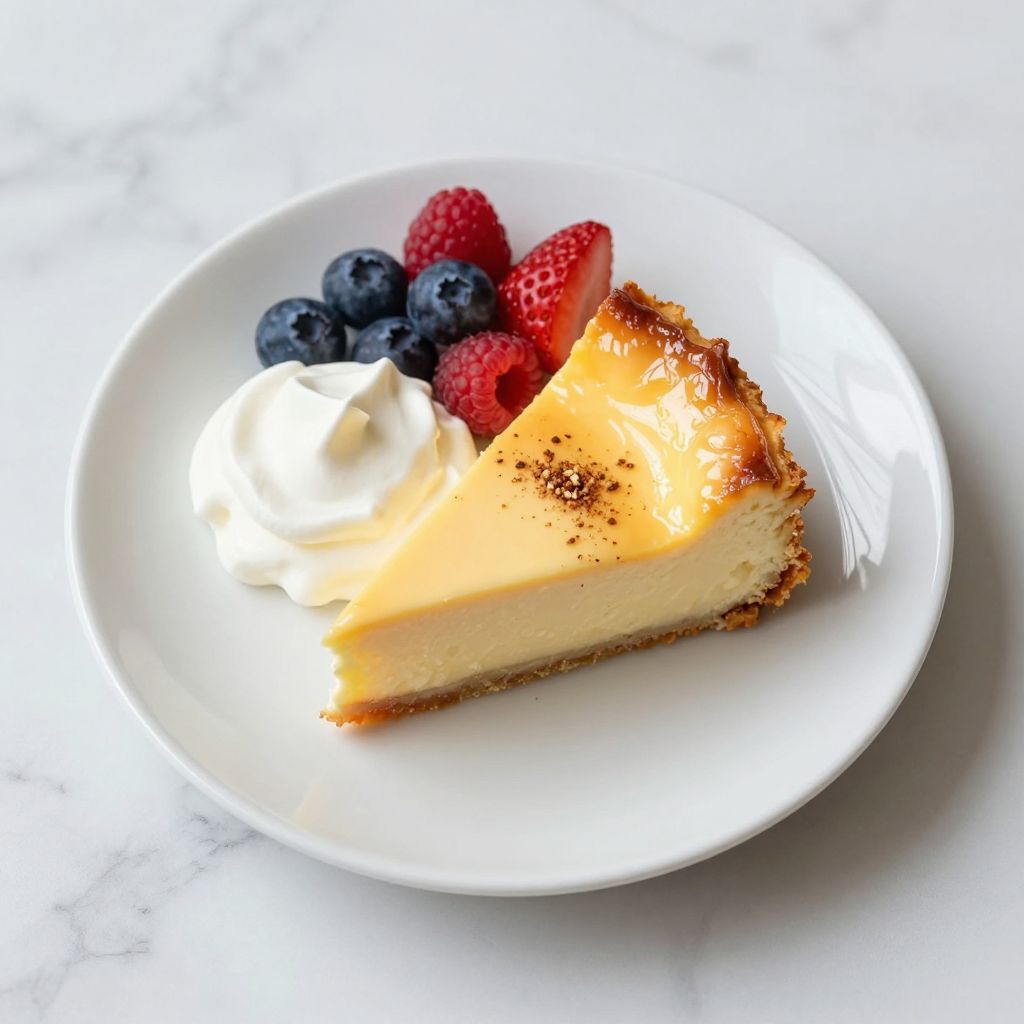
- Top with fresh berries and a dollop of whipped cream for brightness and texture contrast
- Serve alongside butter cookies or ladyfinger biscuits for dipping
- Drizzle with a spoonful of caramel sauce or chocolate syrup just before serving
- Pair with fresh whipped cream and a sprinkle of cinnamon for warmth
- Top with crushed amaretti or gingersnap cookies for a spiced crunch
Variations to Try
- Chocolate Egg Pudding: Melt 2 ounces of dark chocolate and whisk it into the custard mixture before baking. This creates a silky chocolate version that’s equally foolproof.
- Citrus Pudding: Replace the vanilla with the zest of one lemon or one orange added to the egg mixture. The brightness cuts through the richness beautifully.
- Coffee Pudding: Dissolve 1 tablespoon of instant coffee powder in the warm milk before whisking it into the eggs. This creates a subtle mocha flavor.
- Maple Pudding: Swap half the sugar for pure maple syrup and reduce vanilla to one teaspoon. The result is earthy and warming.
- Spiced Pudding: Add 1/2 teaspoon cinnamon, 1/4 teaspoon ginger, and a pinch of cloves to the custard for a warming fall version.
Dietary Adaptations
- Gluten-Free: This recipe is naturally gluten-free as written. Just confirm any toppings or add-ons you serve with it don’t contain gluten.
- Dairy-Free: Replace milk with an unsweetened oat milk or almond milk, though the pudding will be slightly less rich and may require an extra 5 minutes of baking time.
- Vegan: Substitute eggs with aquafaba (3 tablespoons per egg) and use plant-based milk, but note that the texture will be less custardy and more mousse-like.
- Low-Carb or Keto: Replace sugar with erythritol or monk fruit sweetener in a 1:1 ratio. The bake time stays the same, and the pudding will still set beautifully.
Storage and Reheating
Refrigerator
Store the cooled pudding in an airtight container for up to four days. The flavor actually improves slightly on day two as the vanilla deepens.
- Keep it covered to prevent the surface from drying out or absorbing fridge odors
- Serve cold straight from the fridge or warm gently before serving
Freezer
Egg pudding freezes reasonably well for up to two months, though the texture becomes slightly grainier upon thawing. Layer the pudding in an airtight freezer container with parchment between portions if you’d like to freeze individual servings.
- Thaw overnight in the refrigerator before serving
- The pudding will be slightly less silky after freezing but still delicious
Reheating
To warm chilled pudding, place a portion in a microwave-safe dish and heat for 20 to 30 seconds, or place the entire dish in a warm water bath for 5 to 10 minutes. Don’t overheat, or the texture will become grainy.
- Gentle, indirect heat preserves the silky texture
- Serve warm with fresh whipped cream or fruit
Nutrition Information
| Nutrient | Amount |
|---|---|
| Calories | 180 |
| Total Fat | 8 grams |
| Saturated Fat | 4 grams |
| Carbohydrates | 22 grams |
| Fiber | 0 grams |
| Sugar | 20 grams |
| Protein | 6 grams |
| Sodium | 95 milligrams |
| Cholesterol | 185 milligrams |
Nutrition values are approximate and based on a recipe yield of five servings. Actual values vary depending on specific brands and measurement methods used.
Frequently Asked Questions
Can I make egg pudding without a water bath?
You can, but the results won’t be as good. Without a water bath, the edges overcook before the center sets, creating a rubbery texture instead of the silky custard you want. The water bath is worth the extra effort.
What if my pudding separates into layers?
Layering happens when the eggs aren’t whisked enough before baking. Make sure to whisk for a full two minutes until the mixture is pale and slightly thick. If you’ve already baked it, try blending the pudding smooth with an immersion blender.
Can I make this ahead of time?
Yes, egg pudding actually tastes better made a day or two in advance. The vanilla flavor deepens as it sits, and the texture firms up to perfection. Store it covered in the refrigerator for up to four days.
Why is my pudding runny in the center?
A slightly jiggly center is correct and means the pudding will have a silky texture. If it’s completely liquid or doesn’t jiggle in a contained way, it needs a few more minutes of baking. Add time in two-minute increments.
Can I use brown eggs instead of white eggs?
Absolutely. Brown and white eggs are nutritionally identical and will produce the same results. The color of the pudding might be ever so slightly different, but the taste and texture remain the same.
What’s the best way to serve this pudding?
Serve it chilled with fresh berries and whipped cream, or warm it slightly and top with caramel sauce. Either way tastes wonderful, so go with whatever sounds good to you.
Final Thoughts
Egg pudding proves that simple ingredients in the right proportions create magic. There’s no fancy technique, no special equipment, and no stress involved, yet the result tastes like you spent hours in the kitchen.
Make this pudding this week and taste for yourself. You’ll be amazed at how elegant something so humble can be, and you’ll find yourself making it again and again.
Egg Pudding
Ingredients
Equipment
Method
- Preheat your oven to 325 degrees Fahrenheit.
- Lightly butter or oil a 9-inch round baking dish to prevent sticking.
- Crack all four eggs into a medium mixing bowl and add the sugar. Whisk vigorously for about two minutes until pale yellow and slightly thick.
- Pour in the milk slowly while whisking continuously. Add vanilla extract and salt, whisking until fully blended. Strain mixture through a fine-mesh sieve if lumps appear.
- Transfer the custard mixture into the prepared baking dish. Skim any excess foam from the surface with a spoon.
- Place the baking dish into a larger roasting pan. Pour hot water into the roasting pan until it reaches halfway up the sides of the baking dish to create a water bath.
- Carefully transfer the water bath to the oven and bake for 35 to 40 minutes. The pudding is set when the edges are firm but the center has a slight jiggle about a quarter inch in diameter; the center temperature should be 170 to 175 degrees Fahrenheit.
- Remove the baking dish from the water bath and let cool to room temperature for about 30 minutes. Refrigerate for at least two hours before serving to allow flavors to develop and pudding to firm up.
- Serve chilled or gently warm in the microwave for 20 to 30 seconds if preferred. Optionally, sprinkle with a pinch of nutmeg before serving.