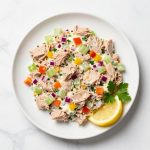
Italian Salmon brings together the richness of fresh salmon with the bright, herbaceous flavors of Italy in one stunning dish. This recipe uses lemon, garlic, and fresh herbs to create a meal that feels restaurant-quality yet comes together in under 30 minutes.
Whether you’re cooking for a weeknight dinner or impressing guests, this recipe delivers tender, flaky salmon with a vibrant flavor profile that tastes far more complicated than it actually is.
Why You’ll Love This Recipe
This dish strikes the perfect balance between simplicity and sophistication, making it ideal for both busy weeknights and special occasions.
- Ready in under 30 minutes from start to finish
- Minimal ingredients that pack maximum flavor
- Works beautifully for meal prep or entertaining
- Pairs perfectly with pasta, roasted vegetables, or a fresh salad
- Naturally gluten-free and packed with omega-3 fatty acids
My Experience Making This Recipe
I first made this dish on a random Tuesday when I had salmon thawing and almost nothing else in my pantry. The results shocked me: golden, perfectly cooked salmon with a sauce so good I found myself spooning it over everything on my plate.
My family devoured it without a single complaint, which rarely happens in my house. The combination of crispy garlic and fresh basil creates this addictive quality that keeps people coming back for seconds.
Since then, I’ve made it dozens of times, tweaking it slightly each time, and it never disappoints. The magic lies in the simplicity, so don’t overthink it or try to add too many extras.
Recipe Overview
- Recipe Name: Italian Salmon
- Servings: 4
- Prep Time: 10 minutes
- Cook Time: 15 minutes
- Total Time: 25 minutes
- Course: Main Dish
- Cuisine: Italian
- Calories per Serving: 380
Equipment You Will Need
- Large skillet or sauté pan
- Cutting board
- Chef’s knife
- Measuring spoons and cups
- Wooden spoon or silicone spatula
- Instant-read thermometer (optional but helpful)
- Paper towels
Ingredients for Italian Salmon
- 4 salmon fillets (6 ounces each, skin-on)
- 3 tablespoons olive oil, divided
- 4 cloves garlic, thinly sliced
- 1 lemon, zested and halved
- 1/2 cup dry white wine (or chicken broth)
- 1 cup cherry tomatoes, halved
- 1/4 cup fresh basil, loosely packed
- 2 tablespoons fresh parsley, chopped
- Salt and black pepper to taste
- Red pepper flakes (optional, 1/4 teaspoon)
Ingredient Notes and Substitutions
- Salmon: Choose skin-on fillets for better flavor and texture during cooking. If you only have skinless salmon, reduce the cook time by 2 to 3 minutes to prevent drying out.
- Olive oil: Extra-virgin olive oil adds rich flavor here. Regular olive oil works fine if that’s what you have on hand, though the final dish will taste slightly less robust.
- Garlic: Fresh garlic is non-negotiable for this recipe. Garlic powder lacks the aromatic punch and slightly sharp edge that makes this dish sing.
- White wine: Dry white wine like Pinot Grigio or Sauvignon Blanc adds acidity and depth. Chicken or vegetable broth makes a solid substitute, though you’ll lose some complexity.
- Fresh herbs: Basil and parsley brighten everything at the end. Oregano or thyme can replace basil if needed, but fresh basil gives the authentic Italian flavor this dish depends on.
How to Make Italian Salmon
Step 1: Prepare Your Salmon Fillets
Pat the salmon fillets dry with paper towels and season generously on both sides with salt and pepper. Damp salmon won’t brown properly, so don’t skip this step.
Step 2: Heat Your Pan and Oil
Heat 1.5 tablespoons of olive oil in a large skillet over medium-high heat until it shimmers, about 2 minutes. The oil needs to be hot enough to create a golden crust on the salmon skin.
Step 3: Sear the Salmon
Place the salmon fillets skin-side down in the hot oil and cook without moving them for 5 to 6 minutes. Resist the urge to flip or poke at them; this time allows the skin to crisp and the flesh to develop a beautiful golden color.
Step 4: Flip and Sear the Other Side
Gently flip each fillet using a spatula and cook for another 2 to 3 minutes on the flesh side. The salmon doesn’t need as much time on this side since most of the cooking happens skin-side down.
Step 5: Remove the Salmon and Set Aside
Transfer the salmon to a clean plate, leaving about 1 tablespoon of oil in the pan. The salmon will finish cooking with carryover heat while you build the sauce.
Step 6: Create the Garlic and Tomato Base
Add the remaining 1.5 tablespoons of olive oil to the pan, then add the sliced garlic and cook for 30 seconds until fragrant. Don’t let the garlic brown, or it will turn bitter and ruin the sauce.
Stir in the cherry tomatoes and cook for 2 minutes, letting them soften slightly and release their juices.
Step 7: Deglaze the Pan with Wine
Pour the white wine into the pan, scraping up any browned bits from the bottom with your wooden spoon. These browned bits, called fond, contain tons of concentrated flavor and create the backbone of your sauce.
Let the wine reduce by half, about 2 to 3 minutes, concentrating the flavors.
Step 8: Finish the Sauce and Combine
Squeeze the lemon juice into the pan and add the lemon zest, then return the salmon fillets skin-side up to the skillet. Spoon some of the sauce over the top of each fillet and cook for 1 to 2 minutes to warm everything through.
Sprinkle the fresh basil and parsley over the top and add a pinch of red pepper flakes if you like subtle heat. Taste the sauce and adjust salt and pepper as needed.
Pro Tip: Don’t overcrowd your pan when searing the salmon; if your skillet is small, cook the fillets in batches so they brown evenly rather than steaming in their own moisture.
Tips for the Best Italian Salmon
- Bring salmon to room temperature for 10 minutes before cooking so it cooks evenly throughout without the outside overcooking before the inside is done.
- Use a high-quality, flaky sea salt like Maldon to finish the dish; it adds texture and enhances the salmon’s natural flavor better than table salt.
- Don’t skip zesting the lemon before juicing it; the zest adds brightness that fresh lemon juice alone can’t provide.
- Cook salmon to an internal temperature of 145 degrees Fahrenheit for a moist, tender result; any higher and it becomes dry and flaky in an unpleasant way.
- Fresh herbs make a huge difference here, so buy them fresh the day you cook rather than using dried versions that sit in your spice cabinet.
- If your pan is sticking or smoking heavily, your heat is too high; medium-high is the sweet spot for getting a golden crust without burning the oil.
Common Mistakes to Avoid
- Flipping the salmon too early: Salmon needs 5 to 6 minutes skin-side down to develop a proper crust; flipping at 3 minutes leaves you with pale, rubbery skin.
- Overcooking the salmon: Salmon continues cooking after you remove it from heat, so pull it off the pan when it’s just barely opaque in the thickest part to avoid a dry, chalky texture.
- Using wet salmon: Moisture prevents browning and creates steam instead of a crust; pat your fillets completely dry before they hit the pan.
- Burning the garlic: Garlic goes from golden and fragrant to burnt and bitter in seconds; keep your heat at medium once you add it and stir constantly.
- Skipping the wine reduction: Reducing the wine concentrates its flavors; if you skip this step, the sauce tastes thin and watery instead of rich and complex.
Serving Suggestions
This salmon shines when paired with sides that complement its delicate, herbaceous sauce without overwhelming it. The light sauce means your sides should be equally elegant and simple.
- Creamy polenta or soft mashed potatoes to soak up every drop of sauce
- Fresh pasta like linguine or pappardelle tossed with a drizzle of olive oil and Parmesan
- Roasted asparagus or green beans with a squeeze of fresh lemon
- A crisp arugula salad with shaved Parmesan and balsamic vinaigrette
- Crusty bread for soaking up the pan sauce
Variations to Try
- Capers and olives version: Add 1/4 cup kalamata olives and 2 tablespoons capers to the sauce for a briny, Mediterranean twist that works beautifully with salmon.
- Artichoke hearts addition: Substitute the cherry tomatoes with quartered canned or frozen artichoke hearts for a earthier flavor and different texture.
- Creamy Italian salmon: Stir 1/4 cup heavy cream or mascarpone into the finished sauce for a richer, silkier version that tastes indulgent without being heavy.
- Spinach and sun-dried tomato: Replace fresh tomatoes with sun-dried tomatoes and add a handful of fresh spinach to the pan, creating a deeper, more concentrated tomato flavor.
- Herb-crusted variation: Press a mixture of panko breadcrumbs, fresh herbs, and garlic onto the salmon flesh side before searing for added crunch and texture.
Dietary Adaptations
- Gluten-free: This recipe is naturally gluten-free as written, making it perfect for anyone avoiding gluten without any modifications needed.
- Dairy-free: Skip any cream additions and use the basic recipe exactly as written; it’s already dairy-free and delicious on its own.
- Low-carb or keto: Serve over cauliflower rice or zucchini noodles instead of pasta, and increase the olive oil slightly to keep the fat content high for satiety.
- Paleo: Use ghee instead of olive oil and serve with roasted sweet potato or cauliflower; everything else in the recipe fits paleo guidelines.
Storage and Reheating
Refrigerator
Store leftover salmon in an airtight container for up to 3 days. Keep the salmon separate from the sauce if possible to prevent it from getting mushy.
- Reheat gently in a 300-degree oven for 8 to 10 minutes, covered with foil
- Never microwave salmon as it dries out quickly and unevenly
Freezer
Salmon freezes well for up to 2 months when stored in an airtight container or freezer bag. The sauce freezes separately but thaws quickly.
- Thaw overnight in the refrigerator before reheating
- Don’t freeze salmon that’s already cooked for longer than 2 months or it develops freezer burn
Reheating
Gentle reheating is key to keeping the salmon moist and tender. Never use high heat as it will dry out the delicate fish.
- Oven method: 300 degrees for 8 to 10 minutes, covered with foil
- Stovetop method: low heat in a skillet with a splash of water or broth, covered, for 5 minutes
Nutrition Information
| Nutrient | Amount |
|---|---|
| Calories | 380 |
| Total Fat | 22g |
| Saturated Fat | 4g |
| Carbohydrates | 5g |
| Fiber | 1g |
| Sugar | 2g |
| Protein | 42g |
| Sodium | 580mg |
| Cholesterol | 95mg |
These values are approximate and based on standard ingredient measurements. Nutritional content varies slightly based on the specific brands and sizes of ingredients used.
Frequently Asked Questions
Can I make this recipe with frozen salmon?
Yes, you can use frozen salmon as long as you thaw it completely in the refrigerator overnight before cooking. Never cook frozen salmon in the pan as it won’t brown properly and will release excess water.
What if I don’t have white wine?
Substitute with chicken broth, vegetable broth, or even water mixed with a tablespoon of lemon juice. You’ll lose some complexity, but the dish still tastes delicious.
How do I know when the salmon is done cooking?
The internal temperature should reach 145 degrees Fahrenheit at the thickest part, or you can gently flake the flesh with a fork; it should be opaque and just barely starting to flake. Salmon at this temperature is moist and tender rather than dry and overcooked.
Can I prepare this recipe ahead of time?
You can prep your ingredients several hours in advance, but cook the salmon just before serving for the best texture and flavor. If you cook it ahead, store it separately from the sauce and reheat gently in the oven.
What size salmon fillets should I buy?
Look for fillets that are about 1 to 1.25 inches thick and roughly 6 ounces each; this size cooks evenly and stays moist throughout. Thinner fillets cook too quickly and tend to dry out, while thicker ones cook unevenly.
Is there a substitute for fresh basil?
Fresh mint or oregano work well, though they create a different flavor profile than basil. If using oregano, use half the amount since it’s more potent; basil is delicate and subtle by comparison.
Final Thoughts
Italian Salmon delivers restaurant-quality results in your own kitchen without the stress or complexity. The beauty of this recipe lies in respecting each ingredient rather than trying to do too much with it.
Make this dish tonight and you’ll understand why it’s become a weeknight staple in my house. Once you master the technique, you’ll be making it regularly and probably impressing people with how effortlessly you pull it together.
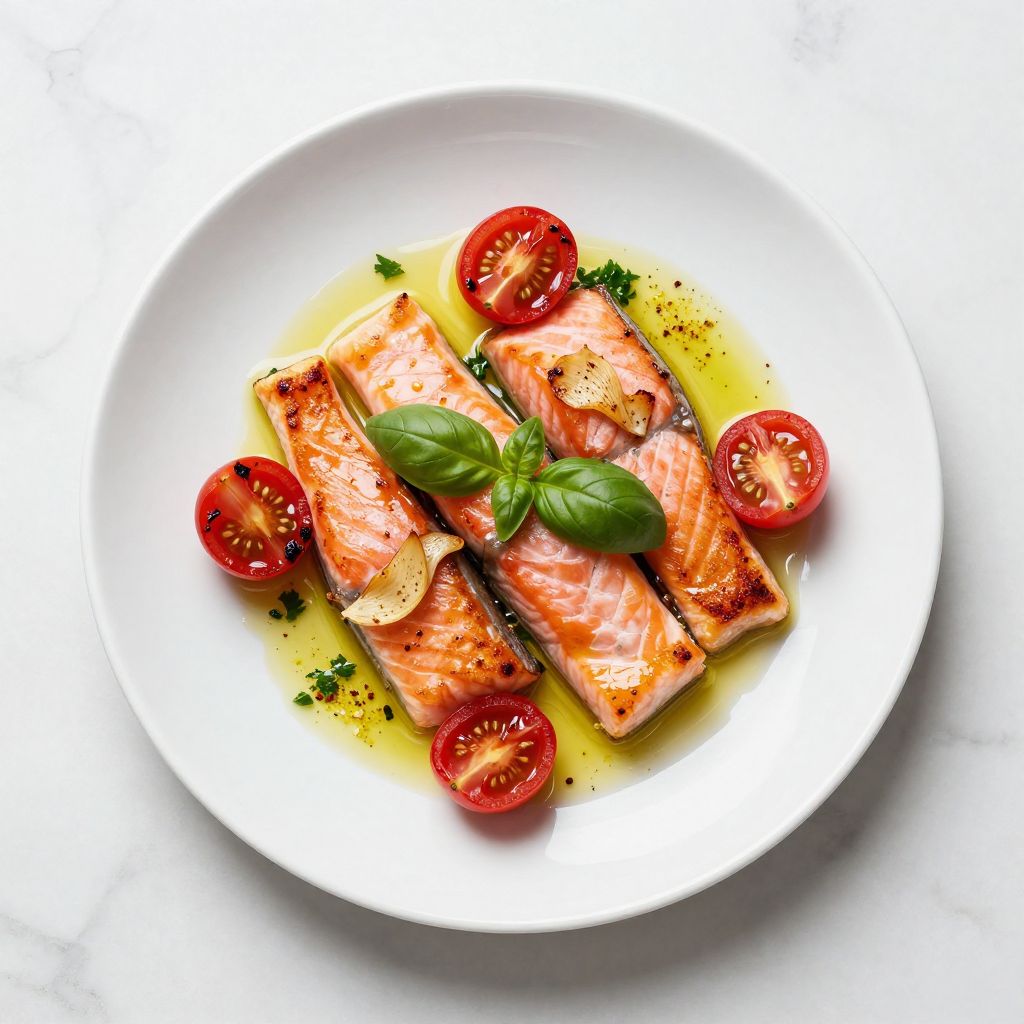
Italian Salmon
Ingredients
Equipment
Method
- Pat the salmon fillets dry with paper towels and season generously on both sides with salt and pepper.
- Heat 1.5 tablespoons of olive oil in a large skillet over medium-high heat until it shimmers, about 2 minutes.
- Place the salmon fillets skin-side down in the hot oil and cook without moving them for 5 to 6 minutes to crisp the skin and brown the salmon.
- Gently flip each fillet using a spatula and cook for another 2 to 3 minutes on the flesh side.
- Transfer the salmon to a clean plate, leaving about 1 tablespoon of oil in the pan.
- Add the remaining 1.5 tablespoons of olive oil to the pan, then add the sliced garlic and cook for 30 seconds until fragrant, stirring constantly to prevent browning.
- Stir in the cherry tomatoes and cook for 2 minutes, letting them soften slightly and release their juices.
- Pour the white wine into the pan, scraping up any browned bits from the bottom with a wooden spoon, and let the wine reduce by half, about 2 to 3 minutes.
- Squeeze the lemon juice into the pan and add the lemon zest, then return the salmon fillets skin-side up to the skillet.
- Spoon some of the sauce over the top of each fillet and cook for 1 to 2 minutes to warm everything through.
- Sprinkle the fresh basil and parsley over the top and add a pinch of red pepper flakes if desired.
- Taste the sauce and adjust salt and black pepper as needed before serving.