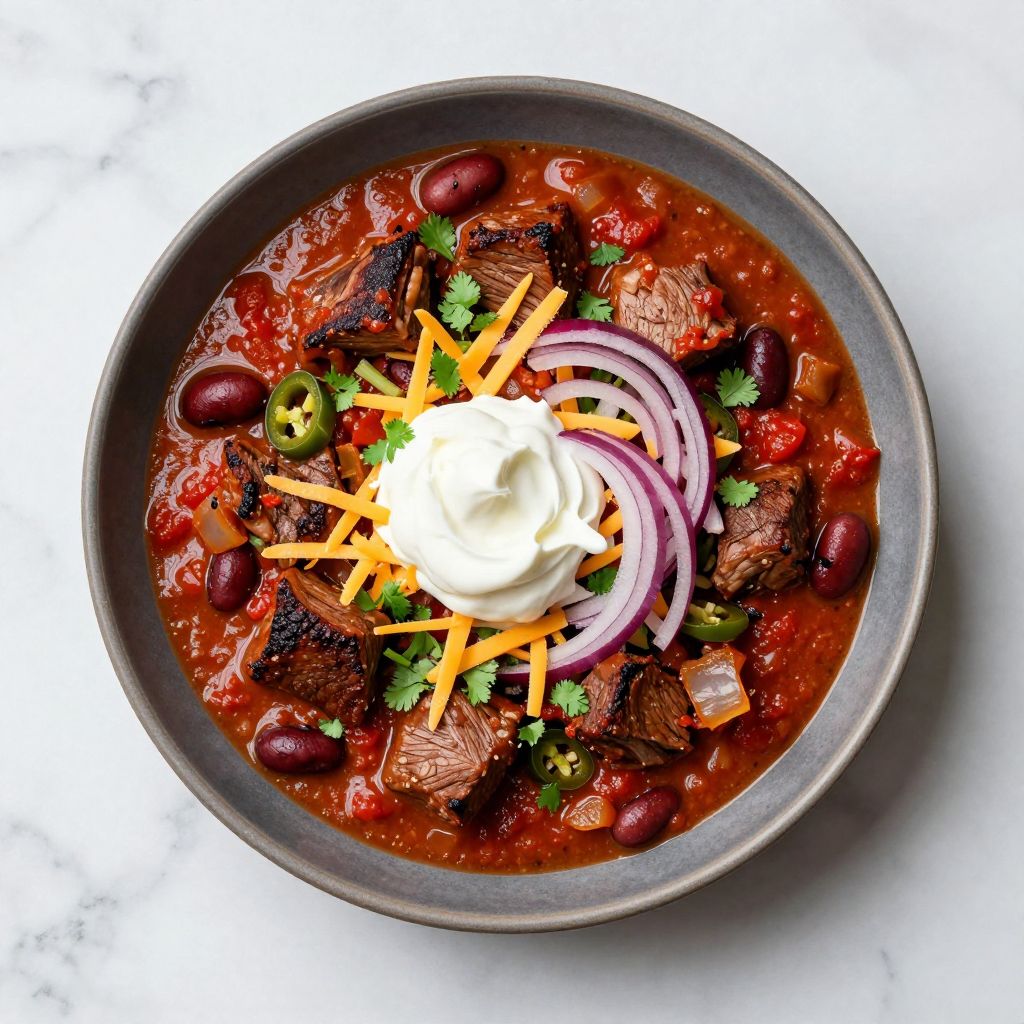
Elk chili recipe is a hearty, deeply flavorful dish that transforms lean game meat into something unforgettable. Unlike beef chili, elk brings a rich, slightly gamey complexity that pairs beautifully with warm spices and slow simmering.
This recipe delivers a restaurant-quality chili in your own kitchen, ready in under three hours from start to finish. Whether you’re cooking for a crowd or meal prepping for the week, this elk chili will become a go-to favorite.
Why You’ll Love This Recipe
Elk meat is leaner and more flavorful than beef, making this chili naturally lower in fat without sacrificing depth. The slow-cooked spices build layers of warmth and complexity that store-bought versions simply cannot match.
- Tender, fall-apart elk meat that absorbs every bit of spice and flavor.
- Rich, thick sauce without relying on heavy cream or processed thickeners.
- Freezes beautifully for meal prep or unexpected dinner guests.
- Naturally paleo and keto-friendly with just a few minor tweaks.
- Impresses meat-eaters and makes you look like a seasoned home cook.
My Experience Making This Recipe
I first made elk chili on a cold November evening after a successful hunting season. My kitchen filled with the aroma of toasting cumin and chiles within minutes, and I knew immediately this was something special.
The first time my family tasted it, everyone went quiet for a moment. Then came the requests for seconds, thirds, and the inevitable question: “Can we have this again tomorrow?”
What surprised me most was how forgiving this recipe is. Elk can taste gamey if handled poorly, but the slow braise and balanced spice profile make the meat sing instead of overwhelm.
Recipe Overview
- Recipe Name: Elk Chili
- Servings: 8
- Prep Time: 15 minutes
- Cook Time: 2 hours 30 minutes
- Total Time: 2 hours 45 minutes
- Course: Main Dish
- Cuisine: American
- Calories per Serving: 285
Equipment You Will Need
- Large heavy-bottomed Dutch oven or chili pot.
- Sharp chef’s knife and cutting board.
- Wooden spoon or heat-resistant silicone spatula.
- Measuring cups and spoons.
- Paper towels for patting meat dry.
- Large colander for draining beans (if canned).
Ingredients for Elk Chili Recipe
- 2 pounds elk stew meat, cut into 3/4-inch cubes.
- 3 tablespoons olive oil, divided.
- 2 large onions, diced.
- 6 cloves garlic, minced.
- 3 tablespoons chili powder, preferably a blend.
- 2 tablespoons ground cumin.
- 1 tablespoon smoked paprika.
- 1 teaspoon dried oregano.
- 1/2 teaspoon cayenne pepper.
- One 28-ounce can crushed tomatoes.
- Two 15-ounce cans kidney beans, drained and rinsed.
- One 15-ounce can black beans, drained and rinsed.
- 2 cups beef broth.
- 2 tablespoons tomato paste.
- 1 tablespoon apple cider vinegar.
- Salt and black pepper to taste.
- Optional toppings: diced jalapeños, shredded cheddar, sour cream, fresh cilantro, diced red onion.
Ingredient Notes and Substitutions
- Elk stew meat: Elk is lean and rich, making it ideal for slow-cooked dishes. Substitute with beef chuck, venison, or moose for similar results.
- Chili powder: A quality blend adds depth without heat dominating. Use pure ancho or a custom blend if you prefer more control.
- Ground cumin: Adds warm, slightly nutty undertones that balance the tomato acidity. Substitute with 1 teaspoon whole cumin seeds, toasted and crushed, for a fresher flavor.
- Smoked paprika: Contributes subtle smokiness that complements game meat perfectly. Regular paprika works but loses the smoky depth.
- Kidney beans: Hold their shape during long cooking and add hearty texture. Black beans or pinto beans are equally good swaps.
- Beef broth: Provides savory depth without overpowering elk flavor. Bone broth or wild game stock will intensify the richness further.
How to Make Elk Chili Recipe
Step 1: Prep and Pat the Meat Dry
Remove elk from the refrigerator 30 minutes before cooking to bring it closer to room temperature. Pat the meat completely dry with paper towels, as this step is critical for proper browning and developing a flavorful crust.
Step 2: Brown the Elk in Batches
Heat 1.5 tablespoons olive oil in your Dutch oven over medium-high heat until shimmering. Working in batches so as not to overcrowd the pot, brown the elk on all sides for 2 to 3 minutes per side, then transfer to a plate.
Crowding the pot steams the meat instead of browning it, so patience here pays dividends. Each batch should have a deep golden-brown crust that locks in flavor.
Step 3: Saute the Aromatics
Add the remaining 1.5 tablespoons oil to the pot, then stir in the diced onions. Cook for 5 to 7 minutes, stirring occasionally, until the onions soften and begin to turn translucent at the edges.
Add minced garlic and cook for another minute until fragrant. This builds the flavor foundation that everything else rests on.
Step 4: Bloom the Spices
Stir in the chili powder, cumin, smoked paprika, oregano, and cayenne pepper. Cook for about 1 minute, stirring constantly, until the spices are fragrant and the mixture looks dark and rich.
Blooming spices in fat releases their essential oils and deepens their flavor profile. Skipping this step leaves you with a flat-tasting chili.
Step 5: Add Tomatoes and Broth
Pour in the crushed tomatoes and beef broth, scraping the bottom of the pot with your wooden spoon to release any browned bits stuck to the surface. Stir in the tomato paste until fully combined.
Those browned bits are liquid gold, packed with concentrated flavor. Never skip the deglazing step.
Step 6: Return the Elk and Simmer
Add the browned elk back to the pot, stirring to combine with the sauce. Bring the mixture to a gentle simmer, then reduce heat to low and cover partially with the lid.
Allow the chili to cook for 1.5 to 2 hours, stirring occasionally. The elk should become fork-tender, and the sauce should reduce slightly and darken.
Step 7: Add the Beans and Vinegar
Drain and rinse both the kidney beans and black beans, then add them to the pot along with the apple cider vinegar. Stir well to distribute the beans evenly throughout the chili.
The acid from the vinegar brightens the deep, earthy flavors and prevents the chili from tasting one-dimensional. Continue simmering for another 20 to 30 minutes.
Step 8: Taste and Adjust Seasoning
Taste a spoonful of chili and add salt and black pepper to your preference. Some people like their chili spicier, so add more cayenne or a pinch of hot sauce if you want extra heat.
Remember that flavors concentrate as the chili cools, so it’s better to season conservatively now and adjust once the pot sits for a bit. The chili should taste vibrant and balanced, not one-note.
Pro Tip: Make this chili one day ahead and refrigerate it overnight. The flavors mellow and marry together beautifully, and the fat rises to the top for easy removal if you prefer a leaner finished dish.
Tips for the Best Elk Chili Recipe
- Use fresh spices rather than ones sitting in your pantry for years. Open that new bottle of cumin or chili powder for noticeably better depth and clarity.
- Resist the urge to rush the browning step. Elk meat browns quickly, but proper color development takes time and elevates the entire dish.
- Stir the chili every 15 to 20 minutes during the simmer. This prevents sticking and ensures even cooking throughout.
- If the chili seems too thin after cooking, leave the lid off for the final 20 minutes to let excess moisture evaporate. If it’s too thick, add beef broth in quarter-cup increments.
- Serve the chili in warm bowls with a variety of toppings on the side. Letting guests customize their own bowls adds a fun interactive element to the meal.
- Consider adding dark chocolate or cocoa powder in the final minutes of cooking. Just one-quarter to one-half teaspoon adds mysterious depth without tasting sweet.
Common Mistakes to Avoid
- Overcrowding the pot during browning: This causes the meat to steam instead of sear, resulting in pale, flavorless meat. Brown in batches no matter how impatient you feel.
- Skipping the tomato paste: This concentrated ingredient adds umami and body that make the chili taste homemade and complex. Do not skip it.
- Adding the beans too early: Beans added at the beginning of cooking fall apart and turn the chili into mush. Add them in the final 30 minutes only.
- Using stale spices: Old chili powder tastes dusty and flat, making even great elk taste underwhelming. Replace spices every 6 months for best results.
- Not tasting and adjusting seasonally: Every cut of elk is slightly different, so blindly following measurements leaves you with either bland or oversalted chili. Taste constantly and adjust with confidence.
Serving Suggestions
Elk chili shines when paired with sides that complement its rich, spiced profile. Serve it hot in deep bowls with accompaniments that add texture and brightness.
- Over rice, polenta, or creamy mashed potatoes to balance the heat.
- With cornbread or jalapeño cheddar biscuits for soaking up every drop of sauce.
- Topped with shredded cheddar, sour cream, and fresh cilantro for classic chili bar style.
- As a filling for baked sweet potatoes or loaded nachos for a creative spin.
- Alongside a crisp green salad tossed with lime vinaigrette to cut through the richness.
Variations to Try
- White Elk Chili: Replace tomatoes with chicken broth, use white beans instead of kidney beans, and add diced green chiles and cumin for a lighter, fresher version. This works beautifully on warmer evenings.
- Spicy Elk Chili with Chipotle: Add one minced chipotle in adobo sauce and increase the cayenne to one full teaspoon. This pushes the heat level way up while adding subtle smokiness.
- Three-Alarm Elk Chili: Incorporate habanero or ghost pepper powder along with fresh jalapeños. Only try this if you genuinely enjoy capsaicin-induced sweating.
- Coffee-Rubbed Elk Chili: Add 1 tablespoon of instant espresso powder to deepen the savory notes and add subtle bitterness that offsets the tomato sweetness.
- Elk Chili with Root Vegetables: Add diced carrots, celery, and sweet potato in Step 3 when you cook the onions. This adds natural sweetness and texture variety.
Dietary Adaptations
- Gluten-Free: This recipe is naturally gluten-free as written. Always double-check that your beef broth and spice blends carry a gluten-free certification to avoid hidden sources.
- Dairy-Free: The base chili contains no dairy, but omit sour cream and cheese toppings or substitute with dairy-free alternatives if needed.
- Vegan/Vegetarian: Replace elk with mushrooms, lentils, or extra beans, and swap beef broth for vegetable broth. The cooking time stays the same.
- Low-Carb/Keto: This chili is already low in carbs thanks to the elk and beans. Simply serve without rice or potatoes and pair with cauliflower rice or crispy kale chips instead.
- Paleo: Skip the beans entirely and add extra vegetables like diced bell peppers, zucchini, or diced sweet potato for volume and nutrition.
Storage and Reheating
Refrigerator
Transfer cooled chili to an airtight container and refrigerate for up to 5 days. The flavor actually improves as it sits, so make this ahead whenever possible.
- Cool the chili to room temperature before sealing the container.
- Store in portions for easy single-serving reheating.
- Skim any fat from the top before reheating if you prefer a leaner serving.
Freezer
Elk chili freezes beautifully for up to 4 months. Use freezer bags, ice cube trays for small portions, or stackable containers depending on your needs.
- Leave one inch of headspace in containers to account for expansion.
- Label containers with the date and contents for easy identification later.
- Thaw overnight in the refrigerator before reheating for best texture.
Reheating
Reheat slowly and gently to avoid scorching the bottom or evaporating the sauce. Low and slow preserves the tender elk and balanced flavors.
- Stovetop: Heat in a pot over low to medium heat, stirring occasionally, until warmed through (about 10 minutes).
- Microwave: Transfer to a microwave-safe bowl, cover loosely, and heat in 2-minute intervals, stirring between each.
- Slow Cooker: Thaw the chili first, then heat on low for 1 to 2 hours alongside other dishes at a gathering.
Nutrition Information
| Nutrient | Amount |
|---|---|
| Calories | 285 |
| Total Fat | 8g |
| Saturated Fat | 2g |
| Carbohydrates | 22g |
| Fiber | 6g |
| Sugar | 4g |
| Protein | 35g |
| Sodium | 720mg |
| Cholesterol | 110mg |
These values are approximate and calculated for the base recipe without toppings. Individual servings will vary based on the amount of chili in each bowl and any additions like sour cream or cheese.
Frequently Asked Questions
Can I use ground elk instead of chunks?
Absolutely, though the texture will be different. Brown 2 pounds ground elk in the pot before adding onions, breaking it up as it cooks, then proceed from Step 3 onward. The chili will be thicker and more textured like traditional beef chili.
What if I do not have elk and want to use a different meat?
Venison, moose, beef chuck, or wild boar all work beautifully in this recipe. Simply use the same weight and cooking time, adjusting for the fact that beef has more fat and may need to be drained partway through.
How do I make this chili less spicy?
Reduce the cayenne pepper to one-quarter teaspoon and omit the jalapeño toppings. You can also increase the beans and tomatoes slightly to dilute the heat without changing the character of the dish.
Can I make this in a slow cooker?
Yes, but you must brown the elk on the stovetop first for proper color and flavor development. After browning, add all remaining ingredients except beans to the slow cooker, cook on low for 6 to 8 hours, then add beans in the final 30 minutes.
What is the gamey taste in elk, and can I reduce it?
The gamey flavor comes from wild diet and the animal’s lean meat composition. Soaking elk in buttermilk for 4 hours before cooking, using tomato paste and vinegar in the chili, and properly browning the meat all help minimize this flavor if it bothers you.
How long does this recipe take from start to finish?
Total active cooking time is about 2 hours 45 minutes, but
Elk Chili
Ingredients
Equipment
Method
- Remove elk from the refrigerator 30 minutes before cooking to bring it closer to room temperature. Pat the meat completely dry with paper towels.
- Heat 1.5 tablespoons olive oil in a Dutch oven over medium-high heat until shimmering. Working in batches to avoid overcrowding, brown the elk on all sides for 2 to 3 minutes per side. Transfer browned meat to a plate.
- Add the remaining 1.5 tablespoons olive oil to the pot. Stir in diced onions and cook for 5 to 7 minutes, stirring occasionally, until onions are softened and translucent at the edges.
- Add minced garlic and cook for an additional 1 minute until fragrant.
- Stir in chili powder, ground cumin, smoked paprika, dried oregano, and cayenne pepper. Cook for about 1 minute, stirring constantly, until spices are fragrant and mixture looks dark and rich.
- Pour in the crushed tomatoes and beef broth, scraping the bottom of the pot to release browned bits. Stir in tomato paste until fully combined.
- Return browned elk to the pot and stir to combine. Bring to a gentle simmer, then reduce heat to low and cover partially with a lid. Simmer for 1.5 to 2 hours, stirring occasionally, until elk is fork-tender and sauce has thickened slightly.
- Drain and rinse the kidney beans and black beans. Add them to the chili along with apple cider vinegar. Stir well and continue simmering for another 20 to 30 minutes.
- Taste the chili and adjust seasoning with salt and black pepper as desired. Optionally add more cayenne pepper or hot sauce for extra heat.