Boerewors is a South African sausage that brings smoky, savory flavor right to your grill or skillet. Made with ground beef, pork, and warm spices like coriander and cloves, this traditional recipe delivers authentic taste without the fuss.
Whether you’re hosting a braai or just craving something with real character, homemade boerewors beats store-bought every time. Let me walk you through making this beloved classic from scratch.
Why You’ll Love This Recipe
Boerewors tastes incredible because you control every ingredient and flavor layer. Homemade versions have a fresher, juicier texture than commercial sausages, and the spice blend feels warm and complex rather than one-note.
- Smoky, savory flavor that fills your kitchen as it cooks
- Surprisingly easy to make once you gather your ingredients and equipment
- Freezes beautifully, so you can make a big batch and cook later
- Impresses guests and feels like a special occasion meal
- Delivers authentic South African taste without a plane ticket
My Experience Making This Recipe
The first time I made boerewors, I was skeptical about grinding and stuffing sausage at home. Twenty minutes in, I realized how much fun the process actually is, and the smell coming from my kitchen was absolutely worth any minor mess.
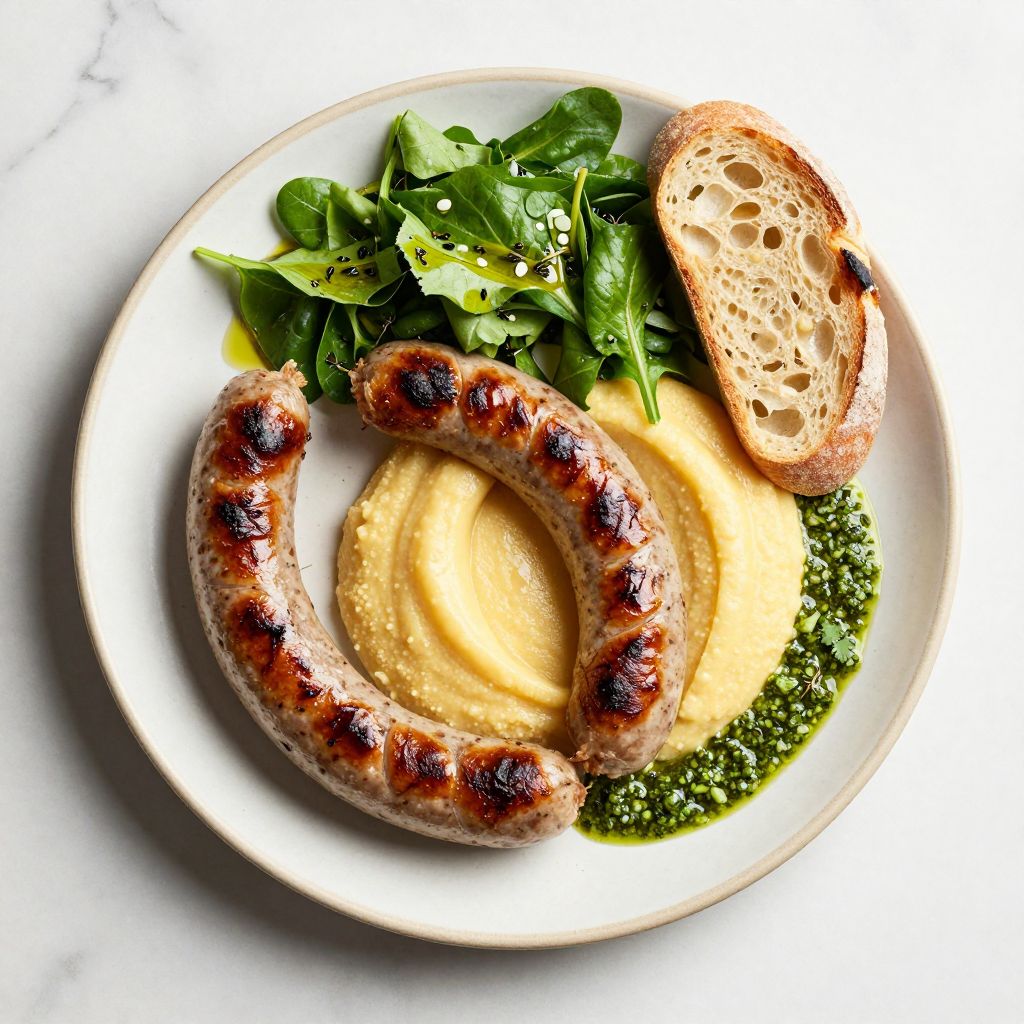
When I grilled the first batch, my neighbors literally came over asking what I was cooking. The sausages had this deep golden crust and juicy, tender inside that proved once and for all that homemade beats anything you’ll find vacuum-sealed in a plastic case.
Now I make boerewors whenever I want to feel like I’m entertaining properly without spending hours in the kitchen. My family requests it regularly, and I’ve converted several friends into making-their-own-sausage people.
Recipe Overview
- Recipe Name: Boerewors
- Servings: 8 sausages
- Prep Time: 30 minutes
- Cook Time: 15 minutes
- Total Time: 45 minutes
- Course: Main Course
- Cuisine: South African
- Calories per Serving: 310
Equipment You Will Need
- Meat grinder (manual or electric)
- Sausage stuffer with casings
- Sharp knife and cutting board
- Large mixing bowl
- Kitchen scale (optional but helpful for accuracy)
- Grill or cast iron skillet
- Meat thermometer
- Paper towels
- Small bowl for spices
Ingredients for Boerewors
- 1.5 pounds ground beef (80/20 blend works best)
- 1.5 pounds ground pork (fatty cuts like shoulder or belly)
- 2 teaspoons coriander seeds (freshly ground if possible)
- 1 teaspoon whole cloves (ground)
- 1/2 teaspoon whole allspice berries (ground)
- 1/2 teaspoon black peppercorns (freshly ground)
- 1 teaspoon sea salt
- 1/4 teaspoon cayenne pepper
- 1/4 cup ice water
- 2 tablespoons fresh garlic (minced)
- 1 teaspoon fresh thyme leaves
- Natural hog casings (about 3 feet for 8 sausages)
Ingredient Notes and Substitutions
- Ground Beef: The beef provides structure and savory depth to the sausage. If beef is unavailable, use extra pork, though the result will taste lighter and less complex.
- Ground Pork: Pork carries the spices beautifully and adds juiciness to every bite. Chicken can substitute if you’re watching fat, but you’ll lose the rich, authentic boerewors character.
- Coriander Seeds: Coriander is the signature spice in boerewors, providing a slightly citrusy warmth. Caraway seeds can work as a substitute, though they taste earthier and less bright.
- Cloves: Cloves add depth and a subtle sweetness that makes boerewors distinctive. Nutmeg can replace cloves, but use half the amount and expect a milder spice profile.
- Natural Hog Casings: These casings deliver authentic snap and texture when you bite into the sausage. Sheep casings work if hog casings are unavailable, but they’re thinner and more delicate to handle.
- Ice Water: Cold water helps bind the meat mixture and keeps the texture light and fluffy. Regular water works in a pinch, but the sausages may feel denser.
How to Make Boerewors
Step 1: Prepare Your Casings and Equipment
Soak your natural hog casings in cool water for at least 30 minutes to make them pliable and easy to stuff. While they soak, run cold water through each casing to rinse out any salt residue and check for holes.
Chill your meat grinder, sausage stuffer, and mixing bowl in the freezer for 15 minutes. Cold equipment keeps the meat mixture at the right temperature, which prevents the fat from smearing and ensures a better texture.
Step 2: Grind the Meat
Cut your beef and pork into chunks that fit easily into your grinder, removing any silver skin or large pockets of connective tissue. Grind the meat into your chilled bowl using the fine die.
Grinding fresh meat at home gives you control over fat content and texture that you never get with pre-ground options. The whole process takes about five minutes and makes a real difference in the final sausage.
Step 3: Toast and Grind the Spices
Heat a small dry skillet over medium heat and toast the coriander seeds, cloves, allspice berries, and black peppercorns for about two minutes until they become fragrant. Toasting releases the oils in the spices and deepens their flavor.
Pour the toasted spices into a spice grinder or mortar and pestle and grind them into a fine powder. Fresh ground spices taste infinitely better than pre-ground versions that have been sitting in jars for months.
Step 4: Combine Meat and Spices
Add the ground coriander, cloves, allspice, black pepper, sea salt, cayenne, garlic, and thyme to your ground meat. Using your hands or a large spoon, mix everything together gently until the spices are evenly distributed throughout the meat.
Don’t overmix or the sausage will become dense and tough. You want the mixture to hold together when you squeeze it, but still feel light and not compacted.
Step 5: Add Ice Water and Rest
Pour the ice water into the meat mixture and fold it in gently until everything is incorporated. The water helps bind everything and creates a lighter, more tender sausage.
Cover the bowl and refrigerate the mixture for at least one hour, or up to overnight. Resting allows the spices to fully flavor the meat and makes the mixture easier to work with during stuffing.
Step 6: Stuff the Casings
Attach your chilled casing to the stuffing tube of your sausage stuffer. Hold the casing loosely on the tube, leaving about one inch at the end.
Feed the meat mixture through slowly, allowing it to fill the casing evenly without air pockets. Stop frequently to let the casing catch up with the meat being pushed through.
Step 7: Link the Sausages
Once the casing is filled, gently ease it off the stuffing tube onto a work surface. Pinch the casing at four-inch intervals and twist each link tightly to separate them.
Use a sharp needle or fork to prick any visible air bubbles in the casing. This prevents the sausages from bursting when you cook them.
Step 8: Chill Before Cooking
Place your linked sausages on a parchment-lined tray and refrigerate for at least two hours before cooking. Cold sausages hold their shape better and cook more evenly.
At this point, you can also freeze them for up to three months if you’re not cooking right away. Just lay them flat until solid, then transfer to a freezer bag.
Step 9: Cook Your Boerewors
Heat your grill to medium heat or place a cast iron skillet over medium flame. Poke the sausages with a fork a few times to prevent bursting, then place them on the grill or in the skillet.
Cook for about 12 to 15 minutes, turning occasionally, until the internal temperature reaches 160 degrees Fahrenheit and the exterior develops a deep golden brown crust. The sausages should feel firm when you press them lightly.
Pro Tip: Cook your boerewors low and slow over medium heat rather than high heat, which causes the casings to burst and the inside to stay raw while the outside burns.
Tips for the Best Boerewors
- Keep everything cold during preparation, from the equipment to the meat to the casings. Cold temperatures prevent fat from smearing and keep your sausages juicy and tender.
- Don’t skip soaking your casings; it makes them flexible and much easier to stuff without tearing. A quick 30-minute soak in cool water transforms casings from brittle to workable.
- Toast your spices before grinding them to unlock deeper, more complex flavors that make boerewors taste authentic. Ground spices that haven’t been toasted taste flat and one-dimensional by comparison.
- Let your meat mixture rest in the fridge before stuffing; this allows the spices to fully meld and makes the mixture easier to work with. Rushing this step results in sausages that taste less flavorful.
- Cook boerewors low and slow; high heat causes the casings to split and leaves the inside undercooked. Medium heat gives you a gorgeous crust and juicy, fully cooked interior.
- Use a meat thermometer to check doneness rather than cutting into the sausage, which releases all the juices. Boerewors is perfectly cooked at 160 degrees Fahrenheit.
Common Mistakes to Avoid
- Using warm or room-temperature equipment and meat, which causes fat to smear and creates a mushy, greasy texture instead of a light, juicy one.
- Overmixing the meat and spice blend, which compacts the mixture and results in dense, tough sausages instead of tender ones.
- Cooking boerewors over high heat, which burns the casing and leaves the inside raw or undercooked. Medium heat is your friend here.
- Skipping the rest period in the fridge, which means the spices don’t have time to flavor the meat fully and the mixture is harder to stuff.
- Filling the casings too tightly, which causes them to burst during cooking and makes the sausages tough. Leave a little room for expansion.
Serving Suggestions
Boerewors tastes best right off the grill with simple, fresh sides that let the sausage shine. The warm spices pair beautifully with cool, crisp accompaniments and bread for soaking up any juices.
- Serve with creamy pap (cornmeal porridge) and a simple green salad dressed with lemon and olive oil
- Pair with crusty bread and whole grain mustard for a casual boerewors sandwich
- Accompany with grilled onions, bell peppers, and chimichurri sauce for a colorful, flavorful plate
- Serve alongside coleslaw and baked beans for a classic braai-style meal
- Top with caramelized onions and fresh cilantro on soft rolls for a dressed-up version
Variations to Try
- Spicier Boerewors: Double the cayenne pepper and add one-half teaspoon of fresh red chili flakes for heat that builds as you eat. This version is perfect if you like sausages with real kick.
- Herby Version: Add one tablespoon of fresh parsley and one teaspoon of fresh sage along with the thyme. Herbs make the sausage taste fresher and slightly lighter.
- Wine-Infused Boerewors: Replace half of the ice water with dry red wine for a deeper, more complex flavor. The wine adds subtle richness without overwhelming the spices.
- Fennel Boerewors: Add one-half teaspoon of fennel seeds to the spice mixture for a subtle licorice note that adds unusual depth. This variation tastes especially good with grilled onions.
- All-Beef Version: Use three pounds of beef and omit the pork if you prefer leaner sausages. The result is less juicy but more intensely beefy and savory.
Dietary Adaptations
- Gluten-Free: Boerewors is naturally gluten-free, but check that your natural casings were processed without gluten and serve with gluten-free bread if making sandwiches.
- Dairy-Free: This recipe contains no dairy, so it’s already perfectly dairy-free. Serve with dairy-free mustard or oil-based condiments for a fully dairy-free meal.
- Vegan and Vegetarian: Create a plant-based version using sprouted legumes, mushrooms, and walnuts ground together with the same spice blend and vegetable broth instead of water. The texture won’t be identical, but the flavors translate surprisingly well.
- Low-Carb and Keto: Boerewors is naturally low-carb since it’s pure meat and spices, making it ideal for keto diets. Skip the bread and serve with vegetables or creamy sides instead of carb-heavy ones.
Storage and Reheating
Refrigerator
Store cooked boerewors in an airtight container for up to four days. The sausages will gradually lose moisture and develop a stronger, more savory flavor as they sit.
- Keep them in their own container away from strong-smelling foods like onions
- Let them sit at room temperature for 10 minutes before reheating for better results
Freezer
Freeze uncooked boerewors for up to three months or cooked sausages for up to two months. Both freeze beautifully and taste almost identical to fresh when properly prepared.
- Wrap uncooked sausages individually in plastic wrap, then place in a freezer bag
- Thaw cooked sausages in the fridge overnight before reheating
Reheating
Reheat boerewors slowly over medium heat in a skillet with just a touch of oil until warmed through, about five minutes. Avoid microwaving, which makes the casings rubbery and the interior dry.
- Place sausages in a cold skillet, then turn heat to medium for the gentlest reheating
- Add a splash of water or broth to the pan to keep sausages moist during reheating
Nutrition Information
| Nutrient | Amount |
|---|---|
| Calories | 310 |
| Total Fat | 22g |
| Saturated Fat | 9g |
| Carbohydrates | 1g |
| Fiber | 0g |
| Sugar | 0g |
| Protein | 32g |
| Sodium | 580mg |
| Cholesterol | 95mg |
These values are approximate and based on standard ingredients and serving sizes. Actual nutrition will vary slightly depending on the exact meat blend and cooking method you choose.
Frequently Asked Questions
Can I Make Boerewors Without a Sausage Stuffer?
You can use a pastry bag fitted with a large round tip, though the process is slower and more awkward. Some people simply form the meat into patties instead, though you’ll lose the authentic snap of a cased sausage.
How Far in Advance Can I Stuff the Sausages?
You can stuff boerewors up to two days in advance and keep them in the fridge in an airtight container before cooking. This actually gives the spices even more time to meld with the meat.
Why Did My Sausage Casings Burst During Cooking?
Casings burst from overfilling, cooking at too-high heat, or not pricking air pockets before cooking. Fill casings loosely, cook over medium heat, and poke any visible bubbles with a fork before heat is applied.
Can I Use Pre-Ground Meat From the Butcher?
Yes, though freshly ground meat from a butcher tastes better than pre-ground options that have been sitting in cases and exposed to air. Ask your butcher to grind it fresh if possible, or grind whole meat cuts at home for the best results.
What’s the Difference Between Boerewors and Other Sausages?
Boerewors
Ingredients
Equipment
Method
- Soak your natural hog casings in cool water for at least 30 minutes to make them pliable and easy to stuff. Rinse out any salt residue and check for holes.
- Chill your meat grinder, sausage stuffer, and mixing bowl in the freezer for 15 minutes to keep the meat mixture cold.
- Cut beef and pork into chunks, removing silver skin and connective tissue. Grind meat using the fine die into the chilled bowl.
- Toast coriander seeds, cloves, allspice berries, and black peppercorns in a dry skillet over medium heat for about 2 minutes until fragrant.
- Grind toasted spices into a fine powder using a spice grinder or mortar and pestle.
- Combine ground spices, sea salt, cayenne, garlic, and thyme with the ground meat. Mix gently until evenly distributed without overmixing.
- Pour ice water into the meat mixture and fold in gently until incorporated. Cover and refrigerate for at least one hour or up to overnight.
- Attach chilled casing to the sausage stuffer tube, leaving about one inch at the end. Slowly feed the meat mixture into the casing avoiding air pockets.
- Once filled, place the casing on a work surface, pinch at 4-inch intervals, and twist to form individual sausage links. Prick any visible air bubbles with a needle or fork.
- Place linked sausages on a parchment-lined tray and refrigerate for at least two hours before cooking. Optionally freeze for up to three months.
- Heat grill or cast iron skillet to medium heat. Poke sausages a few times with a fork and cook for 12 to 15 minutes, turning occasionally, until internal temperature reaches 160°F and exterior is golden brown.